འཚེམ་འཁོར་གྱི་མཆོང་སྐྱོན་གྱི་གནད་དོན་ཇི་ལྟར་སེལ་དགོས་སམ།
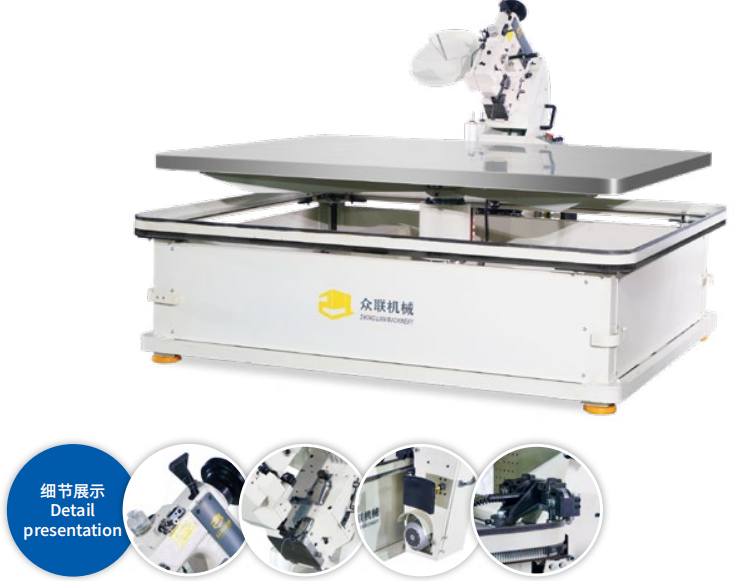
Nothing is more frustrating than a quilting machine that keeps skipping stitches in the middle of production.
To solve the jumper issue in a quilting machine, I always start by checking thread tension, inspecting the needle, adjusting settings, and keeping the machine clean.
This article outlines the 9 key causes and solutions I rely on to keep stitching smooth, continuous, and professional in every production batch.
What causes jumper issues in a quilting machine?
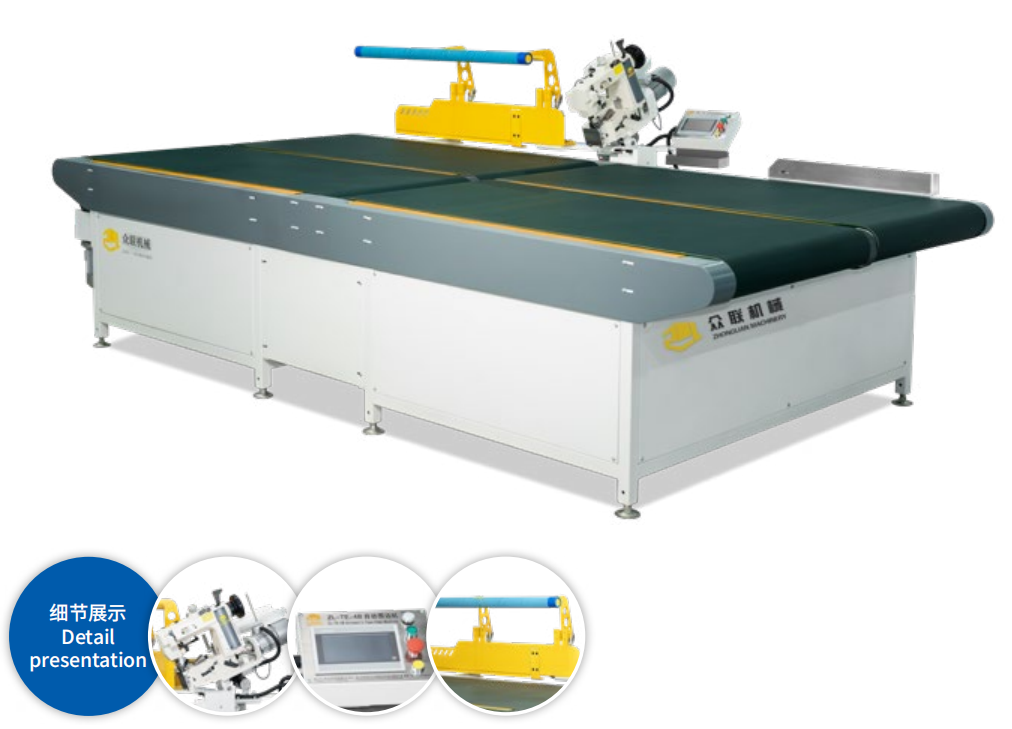
Skipped stitches don’t just appear—they’re triggered by something out of balance in the machine setup.
Jumper issues are often caused by improper thread tension, wrong needle choice, incompatible fabric, or dirty machine parts.
In my experience, these problems often come down to simple checks that many operators overlook when they’re in a rush. Let me explain each of them in more detail below.
How do I check and adjust thread tension properly?
When the thread tension is off, even a perfect machine will start skipping stitches.
Balanced upper and lower thread tension is essential for forming complete, even stitches.
To correct tension:
- First, I test with a piece of scrap fabric
- I adjust the tension dial on top until both top and bottom threads meet in the fabric center
- I always refer to the machine’s manual for tension ranges by fabric type
Small changes make a big difference—one quarter-turn can stop a jumper issue completely.
Why is choosing the right needle and thread important?
A mismatched needle and thread combo can silently sabotage your stitch quality.
Using the wrong needle size or thread type often causes the machine to miss stitches or produce uneven tension.
उदाहरणको लागि:
| Fabric Type | Recommended Needle | Ideal Thread Type |
|---|---|---|
| Quilting cotton | Size 80/12 sharp | 100% cotton 40wt |
| Stretch knits | Ballpoint 75/11 | Polyester 50wt |
| Heavy denim | Denim 100/16 | Heavy-duty polyester |
I always test before production. That way I avoid wasting fabric or time.
When should I replace the needle?
Even a slightly bent or dull needle can cause jumpers.
I replace my needle after every 8 hours of stitching or at the first sign of stitch skipping.
Visual checks I do:
- Is the needle tip bent?
- Is it scratching the fabric?
- Does it sound different during sewing?
cURL Too many subrequests.
cURL Too many subrequests.
cURL Too many subrequests.
cURL Too many subrequests.
cURL Too many subrequests.
- cURL Too many subrequests.
- cURL Too many subrequests.
- cURL Too many subrequests.
cURL Too many subrequests.
cURL Too many subrequests.
cURL Too many subrequests.
cURL Too many subrequests.
cURL Too many subrequests.
- cURL Too many subrequests.
- cURL Too many subrequests.
- cURL Too many subrequests.
cURL Too many subrequests.
cURL Too many subrequests.
cURL Too many subrequests.
cURL Too many subrequests.
cURL Too many subrequests.
| Fabric Type | ཁབ་ཀྱི་རིང་ཚད། | Machine Speed |
|---|---|---|
| cURL Too many subrequests. | cURL Too many subrequests. | འབྲིང་ཙམ། |
| cURL Too many subrequests. | cURL Too many subrequests. | Slow |
| cURL Too many subrequests. | cURL Too many subrequests. | cURL Too many subrequests. |
cURL Too many subrequests.
cURL Too many subrequests.
cURL Too many subrequests.
cURL Too many subrequests.
cURL Too many subrequests.
- cURL Too many subrequests.
- cURL Too many subrequests.
- cURL Too many subrequests.
cURL Too many subrequests.
cURL Too many subrequests.
cURL Too many subrequests.
cURL Too many subrequests.
cURL Too many subrequests.
- cURL Too many subrequests.
- High-quality quilting thread (Aurifil, Gutermann)
- Brushed cotton or prewashed fabrics
Cheap thread tends to fray or break, which directly leads to skipped stitches.
མཇུག་སྡོམ།
Solving jumper problems is all about paying attention to the small things—tension, needles, fabric prep, and cleaning. Master these, and your quilting machine will run smooth and quiet.
 Tibetan
  English
  Vietnamese
  Spanish
  German
  French (France)
  French (Canada)
  Japanese
  German (Austria)
  Danish
  Malayalam
  Indonesian
  Frisian
  Greek
Greek  Javanese
  Macedonian
  Galician