
གདན་བཟོ་བའི་ནང་གི་རིག་ནུས་ཅན་གྱི་བཟོ་བསྐྲུན་གྱི་འབྱུང་འགྱུར། འཕེལ་ཕྱོགས་དང་གསར་གཏོད།
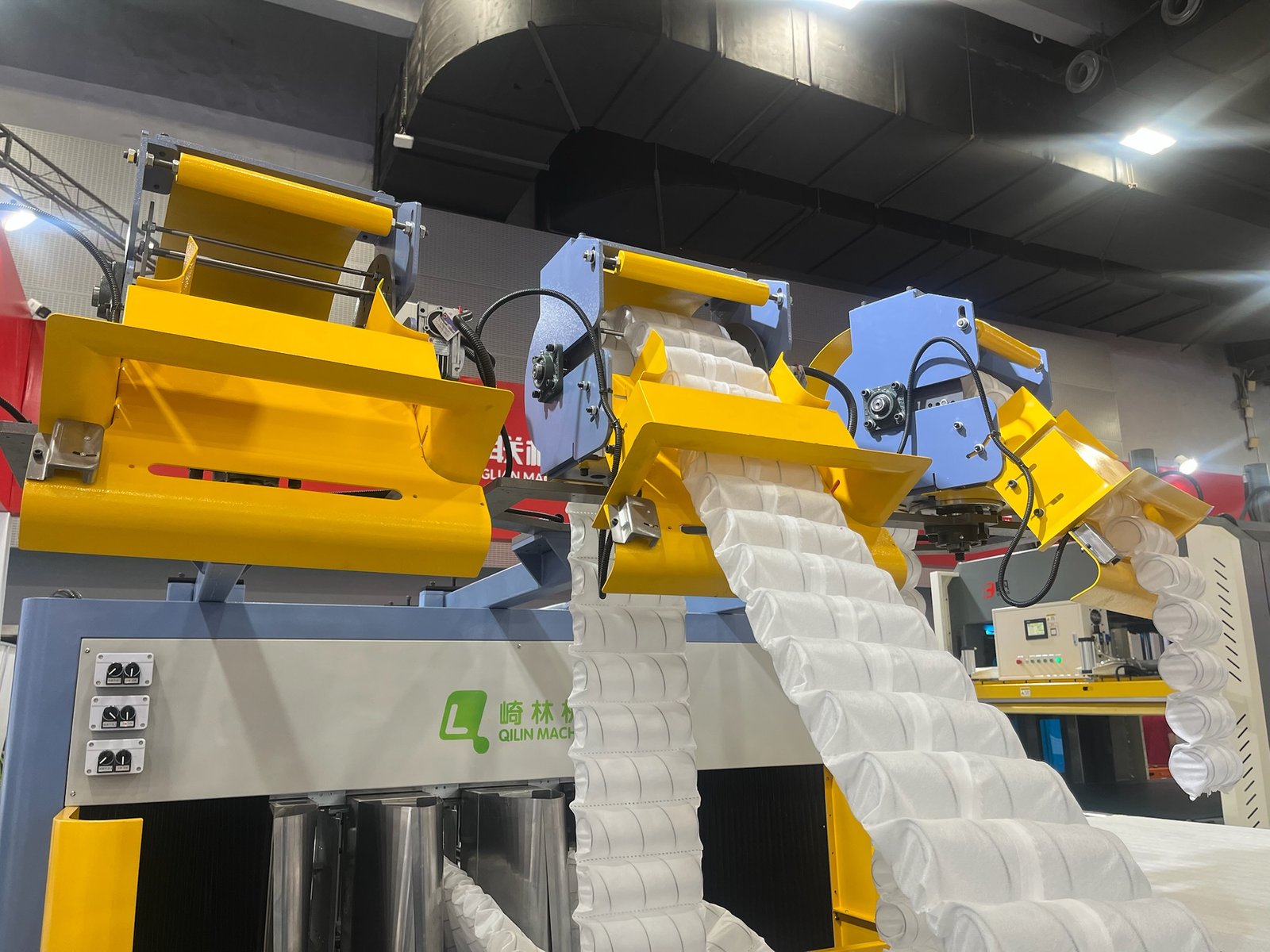
Today’s mattress industry is entering an era of intelligent automation. Many manufacturers still struggle with high labor costs, inconsistent product quality, and inefficient production. These problems prevent factories from expanding and winning international buyers.
Smart manufacturing technologies — like IoT, automation, and sustainable materials — are helping mattress manufacturers overcome these obstacles, boosting efficiency, quality, and profits.
If you’re a mattress factory owner considering investing in new production equipment, this article outlines ten key trends and innovations that will define the future of mattress manufacturing — and how you can benefit.
Integration of IoT and Sensor Technology?
Many mattress companies still rely on human judgment to adjust production settings. This often leads to inconsistent quality and missed opportunities for improvement.
IoT and sensor technology allow mattresses and production equipment to collect real-time data, analyze it, and optimize settings for quality and efficiency.
These systems can track sleep data (heart rate, movement, temperature), which helps in creating smart mattresses that adapt to the user’s needs. More importantly for manufacturers, sensors inside equipment help detect spring misalignment, packaging failures, or energy consumption spikes — so workers can fix issues before they cause downtime.
Applications in Manufacturing:
- Sensors in compression and cutting machines: Detect spring misplacement or packaging tension loss.
- Real-time feedback: Adjust pressure or roll size based on spring unit detected.
- Remote monitoring: Factory managers can access machine health from their mobile devices.
This integration reduces waste, increases efficiency, and ensures products meet consistent standards without constant manual checks.
Automation and Robotics in Production?
Manual mattress production is labor-intensive and prone to variation. Skilled workers are hard to find and costly to train.
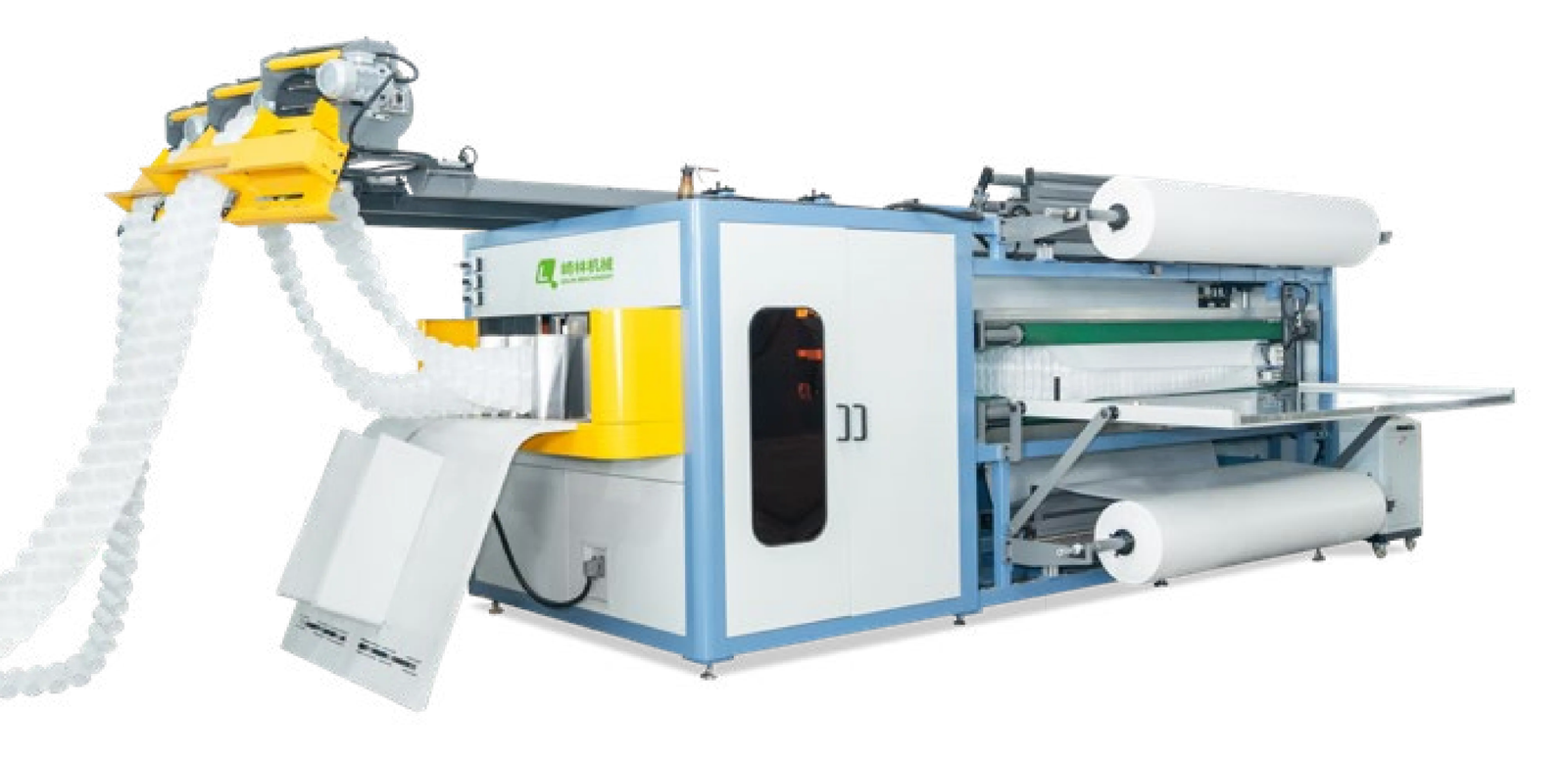
Automation and robotics allow mattress factories to produce more with fewer people, while maintaining consistent quality.
Modern machines — such as bagging machines, gluing systems, and roll-packers — come with PLC control systems, touchscreens, and preset programs. They can switch between different spring sizes automatically and detect errors like spring misplacement or bag tension issues.
Benefits for Mattress Factories:
| Process | Before Automation | After Automation |
|---|---|---|
| Spring bagging | 3-4 workers/manual | 1 operator/automatic |
| Compression & roll-packing | Low speed | 30-100 pcs/hour |
| Machine adjustment | Manual (30min) | Touchscreen input (1 min) |
The integration of robots and automatic systems allows even small Southeast Asian factories to meet export standards for markets like Europe and the US.
Sustainable and Eco-Friendly Materials?
Customers today care about more than comfort — they care about what their mattress is made of. Traditional PU foam and adhesives release VOCs and harm the environment.
Manufacturers are switching to organic cotton, natural latex, recycled foam, and water-based adhesives to meet environmental standards.
This shift isn’t just about saving the planet. Eco-friendly products command higher prices in markets like the EU. Mattress factories that use certified materials (e.g., FSC, OEKO-TEX) can tap into these premium markets.
Examples of Sustainable Upgrades:
- cURL Too many subrequests. cURL Too many subrequests..
- Choose cURL Too many subrequests. cURL Too many subrequests.
- བེད་སྤྱོད། cURL Too many subrequests. cURL Too many subrequests.
cURL Too many subrequests.
cURL Too many subrequests.
cURL Too many subrequests.
cURL Too many subrequests.
cURL Too many subrequests.
- cURL Too many subrequests.cURL Too many subrequests.
- cURL Too many subrequests.cURL Too many subrequests.
- cURL Too many subrequests.cURL Too many subrequests.
cURL Too many subrequests.
cURL Too many subrequests.
cURL Too many subrequests.
cURL Too many subrequests.
cURL Too many subrequests.
cURL Too many subrequests.
| ཁྱད་ཆོས། | कार्य |
|---|---|
| cURL Too many subrequests. | cURL Too many subrequests. |
| cURL Too many subrequests. | cURL Too many subrequests. |
| cURL Too many subrequests. | cURL Too many subrequests. |
cURL Too many subrequests.
cURL Too many subrequests.
cURL Too many subrequests.
cURL Too many subrequests.
cURL Too many subrequests.
- cURL Too many subrequests.
- cURL Too many subrequests.
- cURL Too many subrequests.
- cURL Too many subrequests.
cURL Too many subrequests.
cURL Too many subrequests.
cURL Too many subrequests.
cURL Too many subrequests.
Smart systems allow product teams to:
- See what features customers request most
- Monitor popular sizes and firmness preferences
- Adjust production plans accordingly
This customer-driven model is essential for DTC brands and OEM factories alike.
མཇུག་སྡོམ།
Smart manufacturing isn’t just a trend — it’s the new baseline. By upgrading to automated, intelligent systems, mattress factories can improve quality, lower costs, and expand into new markets.
 Tibetan
  English
  Vietnamese
  Spanish
  German
  French (France)
  French (Canada)
  Japanese
  German (Austria)
  Danish
  Malayalam
  Indonesian
  Frisian
  Greek
Greek  Javanese
  Macedonian
  Galician