Syningsløsninger i madrasfremstilling: Bruger du de rigtige maskiner?
Inefficient or outdated sewing equipment can lead to high defect rates, slow production, and lost customers.
Modern sewing solutions in mattress manufacturing help factories increase output, reduce waste, and improve product quality with consistent, durable stitching.
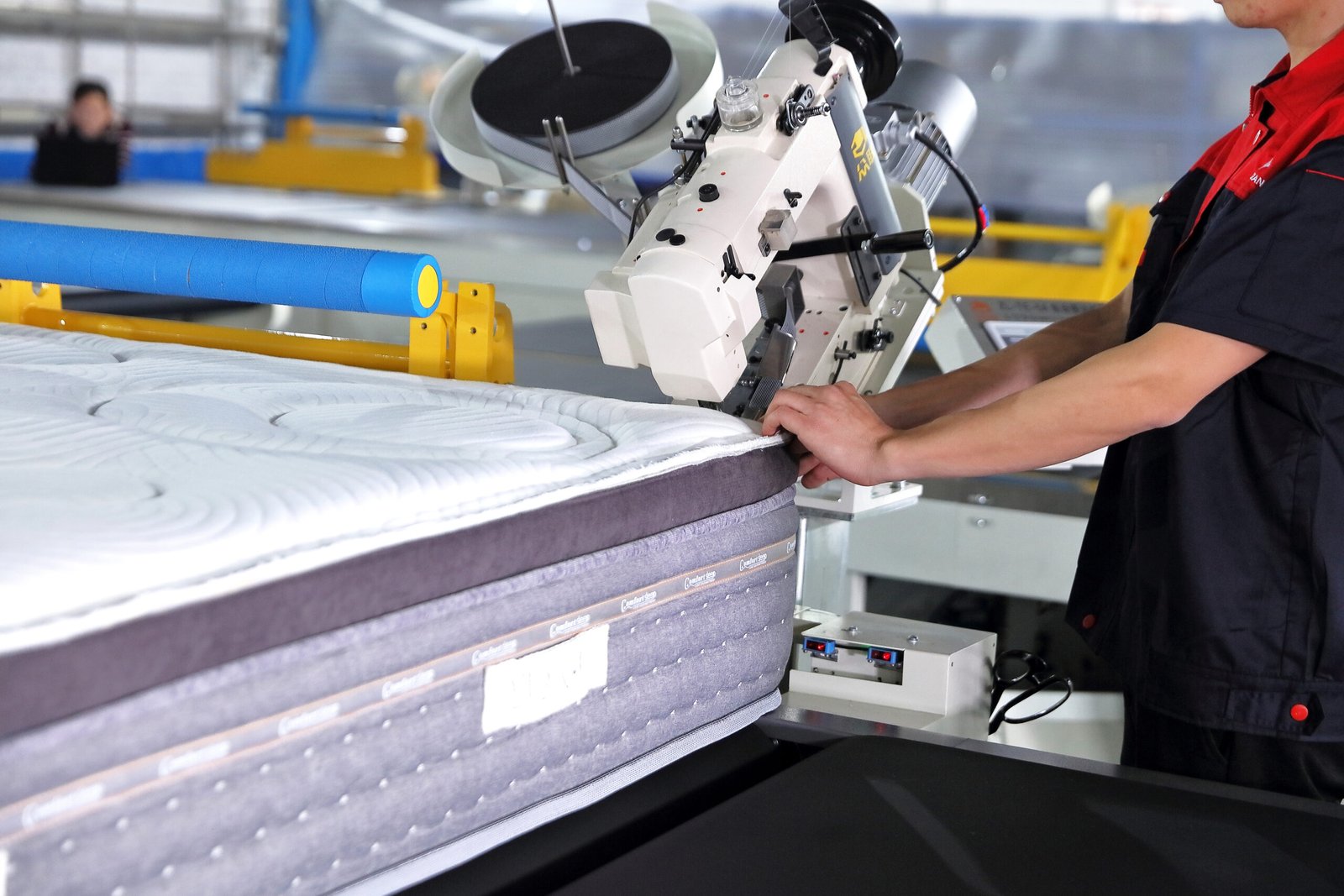
Sewing isn’t just a “last step” in production—it’s the backbone of mattress durability and brand perception. Let’s dive into which machines matter most, how they work, and what ROI they bring to factories like ours.
Why Is Sewing So Important in Mattress Production?
Skipped stitches or loose seams are often why customers complain or return mattresses.
Sewing determines how securely a mattress holds together, how it looks on the showroom floor, and how long it lasts in real-world use.
What Does Sewing Affect?
- Structure: Holds quilting, border foam, and core in place
- cURL Too many subrequests.: Prevents fraying, opening, and fabric distortion
- Aesthetics: Controls the “finish” and symmetry of the edge
- Comfort: Seam quality affects how the mattress feels at the edge
| Sewing Factor | Impact on Mattress |
|---|---|
| Stitch Strength | Reduces risk of delamination |
| Seam Consistency | Fewer returns, better brand reputation |
| Thread Tension | Even firmness and appearance |
Tapekantmaskiner
Tape edge machines are specialized equipment designed to attach the binding tape that runs along the edges of a mattress, creating a clean, finished look and securing the cover layers together. These machines are essential for producing the signature “taped” edges found on most mattresses.
Common models in mattress factories include the Singer 300U, Union Special 81200, and Durkopp Adler’s industrial tape edge series. Each is built to handle heavy fabrics and thick mattress assemblies, ensuring even stitching and consistent product quality. Skilled operators guide the mattress along a moving table while the machine applies the tape with robust, uniform stitches—delivering a tight seal to protect the mattress over years of use.
What Sewing Machines Are Used in Mattress Manufacturing?
Using the wrong machine for the wrong step leads to breakdowns and poor-quality seams.
There are four main categories of industrial sewing machines in mattress production, each with a distinct function.
Zipper Sewing Machines
When it comes to mattress manufacturing, zipper sewing machines play a crucial role in attaching zippered panels to encasements and covers. These machines are engineered for precision and durability, ensuring the zipper is securely and neatly stitched without puckering the fabric or sacrificing stretch.
Some of the most reliable options found in the industry include:
- Double-needle lockstitch machines: Ideal for strong, parallel seams along zippers, often used for high-end or removable mattress covers.
- Chainstitch machines: Preferred for their flexibility and speed, accommodating materials from stretchy knits to heavy-duty ticking.
- Walking foot machines: Excellent for sewing through multiple layers, thick fabrics, or uneven surfaces—a common challenge with quilted mattress panels.
Leading manufacturers like Juki, Brother, and Durkopp Adler offer specialty models tailored to these demands. These machines can be customized with guides and attachments designed specifically for zipper insertion, streamlining the process and improving consistency on the factory floor.
Whether you’re producing conventional innerspring mattresses or complex bed-in-a-box designs, choosing the right zipper sewing machine ensures efficiency, cleaner finishes, and longer-lasting mattress covers.
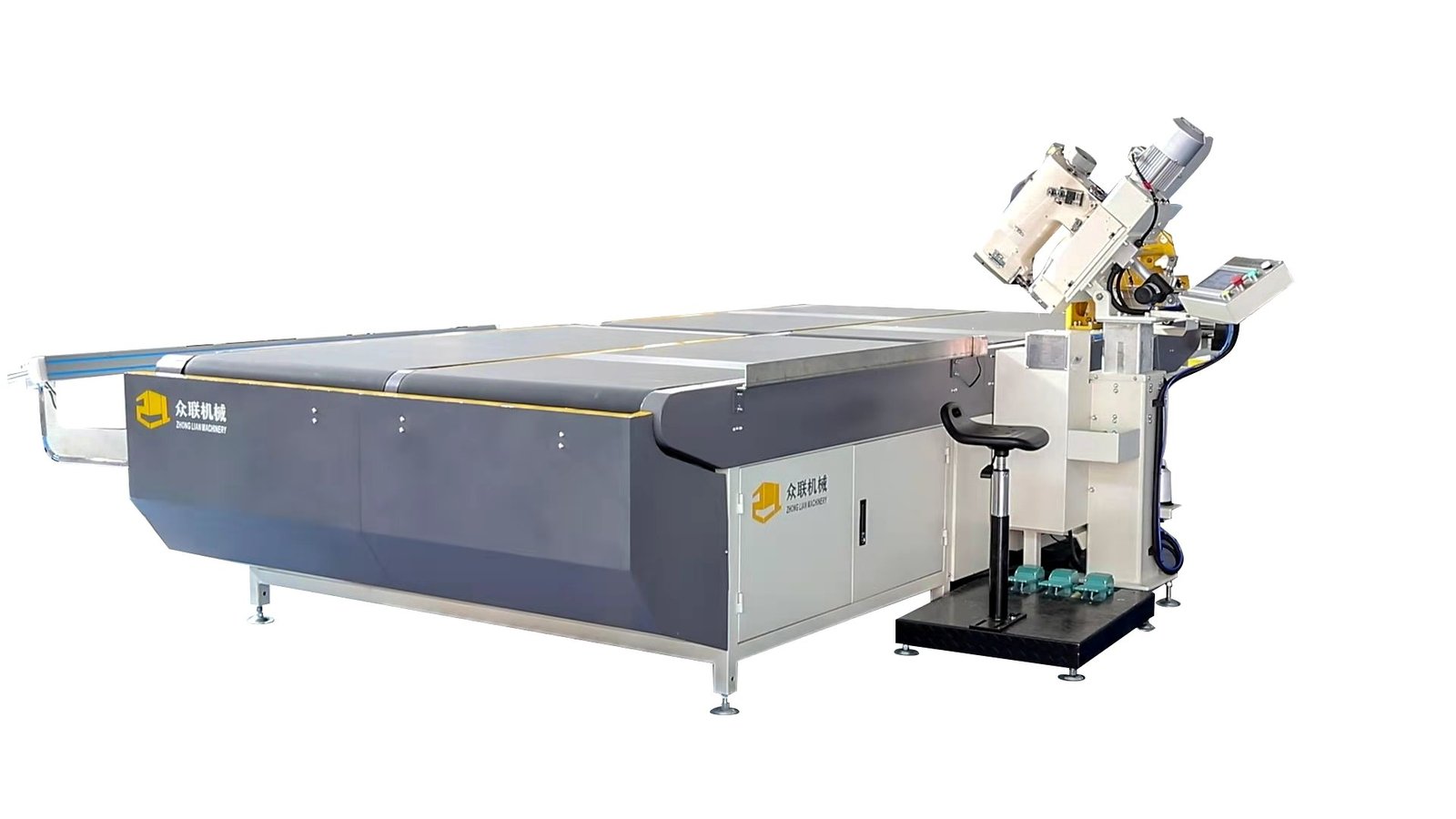
Types of Machinery in Mattress Manufacturing
cURL Too many subrequests.
- cURL Too many subrequests. cURL Too many subrequests.
- cURL Too many subrequests. cURL Too many subrequests.
- cURL Too many subrequests. cURL Too many subrequests.
- cURL Too many subrequests. cURL Too many subrequests.
- cURL Too many subrequests. cURL Too many subrequests.
- cURL Too many subrequests. cURL Too many subrequests.
- cURL Too many subrequests. cURL Too many subrequests.
- cURL Too many subrequests. cURL Too many subrequests.
- cURL Too many subrequests. cURL Too many subrequests.
- Quiltemaskiner: cURL Too many subrequests.
- cURL Too many subrequests. cURL Too many subrequests.
- cURL Too many subrequests. cURL Too many subrequests.
- cURL Too many subrequests. cURL Too many subrequests.
- Tape Edge-maskiner: cURL Too many subrequests.
- cURL Too many subrequests. cURL Too many subrequests.
- cURL Too many subrequests. cURL Too many subrequests.
- cURL Too many subrequests. cURL Too many subrequests.
- cURL Too many subrequests. cURL Too many subrequests.
- cURL Too many subrequests. cURL Too many subrequests.
- cURL Too many subrequests. cURL Too many subrequests.
- cURL Too many subrequests. cURL Too many subrequests.
- cURL Too many subrequests. Conveyors, hoists, and automated carts to efficiently move raw materials and finished mattresses throughout the facility.
With the right machine for each step, you’ll boost output—and help every mattress make it through the factory in top form.
Types and Models of Mattress Making Machines
Across the mattress industry, manufacturers rely on a wide selection of specialized machines to handle each stage of production. In fact, there are dozens of distinct types—over 30 varieties and more than 100 specific models—designed to streamline every process from spring assembly to quilting, edge sealing, and final packaging.
This extensive range ensures that every step, whether it’s coiling springs, stitching complex quilt patterns, sealing mattress edges, or preparing products for shipment, can be carried out with the right equipment for the job. Industry leaders like cURL Too many subrequests., cURL Too many subrequests., og cURL Too many subrequests. also contribute a diverse array of machines tailored to the unique needs of mattress factories, giving producers flexibility and comprehensive solutions for building quality mattresses at scale.
Types and Models of Mattress Making Machines
Across the mattress industry, manufacturers rely on a wide selection of specialized machines to handle each stage of production. In fact, there are dozens of distinct types—over 30 varieties and more than 100 specific models—designed to streamline every process from spring assembly to quilting, edge sealing, and final packaging.
This extensive range ensures that every step, whether it’s coiling springs, stitching complex quilt patterns, sealing mattress edges, or preparing products for shipment, can be carried out with the right equipment for the job. Industry leaders like cURL Too many subrequests., cURL Too many subrequests., og cURL Too many subrequests. also contribute a diverse array of machines tailored to the unique needs of mattress factories, giving producers flexibility and comprehensive solutions for building quality mattresses at scale.
Types of Machines and Their Functions
Modern mattress production lines use a full suite of specialized sewing machines to handle every step, from assembling sturdy borders to quilting intricate panel designs and attaching decorative ruffles. Each machine is engineered for a particular role, ensuring that every part of the mattress—borders, panels, and even ruffled accents—meets strict standards for quality and durability.
1. Lockstitch Machines
- Tight, reliable stitch used for panel joinery and border seams
- Great for high-stress areas that need strength
2. Chainstitch Machines
- Flexible, fast, and good for quilting and joining layers
- Easier to maintain and rethread
3. Overlock / Serger Machines
- Finish raw edges, prevent fraying
- Often used in closing and boxing the mattress
4. Quilting Machines
- Multi-needle systems for sewing patterns into top and bottom panels
- Offers speed and design flexibility
This full range of equipment ensures your factory can efficiently handle all key sewing tasks—securing borders, assembling main panels, adding ruffles, and finishing edges—without sacrificing speed or quality. By using the right machine for each material and seam type, you reduce bottlenecks and keep defects to a minimum.
Machine Type Best Use Case Key Benefit Lockstitch Panel joinery, borders Strong seams Chainstitch Quilting, fast joining Flexible, high speed Overlock Panel edge finishing Anti-fray, clean look Quilting Patterned panel stitching Decorative + functional
| Maskintype | Best Use Case | Key Benefit |
|---|---|---|
| Lockstitch | Panel joinery, borders | Strong seams |
| cURL Too many subrequests. | Quilting, fast joining | Flexible, high speed |
| Overlock | Panel edge finishing | Anti-fray, clean look |
| Quilting | Patterned panel stitching | Decorative + functional |
What Solutions Are Offered for Material Handling in Mattress Manufacturing?
Getting materials from point A to B in a mattress factory isn’t just about brute strength—efficient material handling can make or break your production speed (and your workers’ backs).
Modern material handling systems streamline how foam rolls, fabric bolts, innersprings, and finished panels travel across your floor—reducing downtime, damage, and labor costs.
Material Handling Technologies and Equipment
Automated Conveyors
- cURL Too many subrequests.
- cURL Too many subrequests.
cURL Too many subrequests.
- cURL Too many subrequests.
- cURL Too many subrequests.
cURL Too many subrequests.
- cURL Too many subrequests.
- cURL Too many subrequests.
cURL Too many subrequests.
- cURL Too many subrequests.
- cURL Too many subrequests.
cURL Too many subrequests.
- cURL Too many subrequests.
- cURL Too many subrequests.
cURL Too many subrequests.
cURL Too many subrequests.
cURL Too many subrequests.
cURL Too many subrequests.
- cURL Too many subrequests. cURL Too many subrequests.
- cURL Too many subrequests. cURL Too many subrequests.
cURL Too many subrequests.
cURL Too many subrequests.
cURL Too many subrequests.
cURL Too many subrequests.
- cURL Too many subrequests.
cURL Too many subrequests. - cURL Too many subrequests.
cURL Too many subrequests.
cURL Too many subrequests.
cURL Too many subrequests.
cURL Too many subrequests.
cURL Too many subrequests.
- cURL Too many subrequests.cURL Too many subrequests.
- cURL Too many subrequests.cURL Too many subrequests.
- cURL Too many subrequests.cURL Too many subrequests.
- cURL Too many subrequests.cURL Too many subrequests.
Whether you’re using a Juki, Brother, or Consew, compatible attachments are widely available and can enhance efficiency on most lockstitch, chainstitch, or serger machines found in mattress plants. For ongoing operations, many suppliers even offer dedicated parts support to keep machinery running with minimal downtime.
What Is “Jump Pattern” Technology in Quilting Machines?
You might have heard of terms like “jump pattern” or seen names like Mitsubishi‘s Patternmatic™ and cURL Too many subrequests.‘s MEB-series thrown around at trade shows. But what does this technology actually do on the quilting line?
Jump pattern technology enables a quilting machine to automatically skip between different stitch zones—sewing intricate patterns, logos, or variable panel designs without stopping for manual repositioning. Instead of sticking to basic grids or repetitive lines, jump pattern systems allow:
- Customizable quilting motifs on each mattress topper
- Precision starts and stops between motifs without backtracking stitches
- Faster throughput, since machines avoid time-consuming manual resets
- Unique, high-end stitched designs that stand out in the showroom
It’s essentially the difference between a paint roller and a skilled artist—jump pattern technology gives you both flexibility and repeatable, professional results. This means your quilting can adapt to new trends, intricate designs, and quick SKU changes without slowdowns or sacrificing stitch quality.
Are Sewing Machine Attachments Available for Mattress Manufacturing?
Absolutely—sewing machine attachments are widely available and play a crucial role in mattress production. Manufacturers can equip most industrial machines, whether Juki, Singer, or Pfaff, with customized add-ons for operations like binding, edge trimming, tape attaching, and ruffling. These attachments boost efficiency by automating tricky seams, improving accuracy on specialty stitches, or allowing for quick changes between mattress models.
For factories aiming to speed up machine changeovers or achieve specialty finishes, a well-chosen attachment can turn a standard unit into a purpose-built powerhouse. Better yet, the right aftermarket parts and accessories mean less downtime and more consistent stitch quality across your production line.
How to Explore Detailed Machine Specs
Want to drill into the nuts and bolts of each sewing machine? Simply browse through the model numbers or click on the machine images above. Each link will take you straight to in-depth product pages, packed with specifications, features, and technical details to help you compare options—whether you’re eyeing a Juki, Pfaff, or Global.
This makes it easy to line up machine features against your production needs, so you can invest with confidence and know exactly what’s coming onto your factory floor.
Where Can You Find Replacement Parts and Attachments?
Reliable machine performance starts with having easy access to the right parts—especially when unexpected breakdowns can halt your line.
Thankfully, most sewing machine types in mattress manufacturing benefit from widely available replacement parts, attachments, and retrofit kits from major suppliers like Juki, Singer, and Pfaff.
- Attachments: Whether you’re upgrading for custom borders, adding ruffle functionality, or fine-tuning your quilting output, specialized add-ons are available for almost all industrial models found on the factory floor.
- Parts Sourcing: Major distributors and online stores stock common wear items—needles, hook assemblies, bobbins, feed dogs, guides, and replacement foot pedals.
- Shipping & Support: Most providers offer same-day or next-day shipping, along with technical support to help you identify and install exactly what your team needs.
With the right supplier network, even older machines can stay productive and minimize disruptive downtime—so you’re never left scrambling for parts when deadlines are tight.
Are Attachments Replacement Services Available?
Absolutely—keeping your equipment running at peak performance takes more than just the initial setup.
Most modern mattress sewing machine suppliers offer comprehensive attachments replacement services. That means if a vital part, such as presser feet, cutters, or tension assemblies, wears out or breaks, you don’t have to hunt for a solution. Replacement parts and installations are typically handled by specialized after-sales teams, much like those provided by industry leaders such as cURL Too many subrequests., cURL Too many subrequests., og Pegasus.
- What’s usually included?
- Installation and alignment of new attachments or parts
- Ongoing maintenance and troubleshooting
- Upgrades to accommodate new fabrics or patterns
By leveraging experienced technicians for replacement and maintenance, you minimize downtime and get back to producing high-quality mattresses faster. This support protects your investment and ensures each stitch meets your standards—no matter how demanding your production line.
cURL Too many subrequests.
cURL Too many subrequests.
cURL Too many subrequests. cURL Too many subrequests., cURL Too many subrequests., og SingercURL Too many subrequests. cURL Too many subrequests.
cURL Too many subrequests.
- cURL Too many subrequests.
- cURL Too many subrequests.
- cURL Too many subrequests.
cURL Too many subrequests.
Are Attachments Replacement Services Available?
Absolutely—keeping your equipment running at peak performance takes more than just the initial setup.
Most modern mattress sewing machine suppliers offer comprehensive attachments replacement services. That means if a vital part, such as presser feet, cutters, or tension assemblies, wears out or breaks, you don’t have to hunt for a solution. Replacement parts and installations are typically handled by specialized after-sales teams, much like those provided by industry leaders such as cURL Too many subrequests., cURL Too many subrequests., og Pegasus.
- What’s usually included?
- Installation and alignment of new attachments or parts
- Ongoing maintenance and troubleshooting
- Upgrades to accommodate new fabrics or patterns
By leveraging experienced technicians for replacement and maintenance, you minimize downtime and get back to producing high-quality mattresses faster. This support protects your investment and ensures each stitch meets your standards—no matter how demanding your production line.
cURL Too many subrequests.
cURL Too many subrequests.
cURL Too many subrequests.
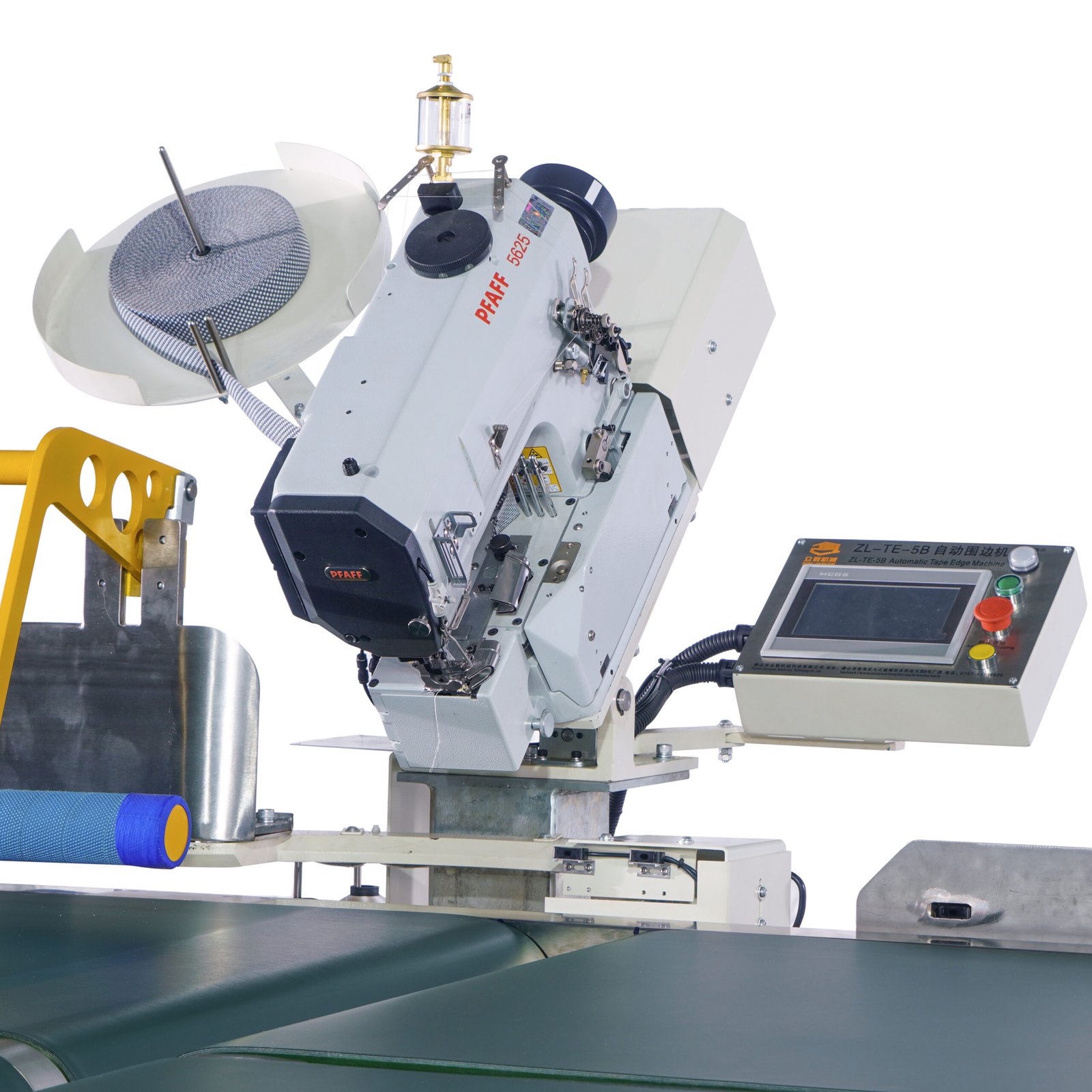
cURL Too many subrequests.
cURL Too many subrequests.
- cURL Too many subrequests.
- cURL Too many subrequests.
cURL Too many subrequests.
- cURL Too many subrequests.
- cURL Too many subrequests.
cURL Too many subrequests.
- cURL Too many subrequests.
- cURL Too many subrequests.
cURL Too many subrequests.
- cURL Too many subrequests.
| cURL Too many subrequests. | cURL Too many subrequests. |
|---|---|
| Programmerbare Indstillinger | cURL Too many subrequests. |
| cURL Too many subrequests. | Lower defect rates |
| cURL Too many subrequests. | cURL Too many subrequests. |
cURL Too many subrequests.
cURL Too many subrequests.
cURL Too many subrequests.
- cURL Too many subrequests. cURL Too many subrequests.
- cURL Too many subrequests. cURL Too many subrequests.
- cURL Too many subrequests. cURL Too many subrequests.
- cURL Too many subrequests. cURL Too many subrequests.
cURL Too many subrequests.
cURL Too many subrequests.
Adding staff is costly. Upgrading machines pays off faster.
Automated or semi-automated sewing systems reduce cycle time, increase output per shift, and lower defect rates.
cURL Too many subrequests.
- ⏱️ Shorter Stitch Cycles: Up to 3x faster per panel
- 🔁 Fewer Adjustments: No need to retension or realign manually
- 📦 Reduced Rework: Uniform results mean fewer scrap units
Example Factory Improvement
| Måling | Old Setup | After Upgrade |
|---|---|---|
| Output (pcs/day) | 120 | 200+ |
| Operator per station | 2 | 1 |
| Fejlrate | 5–7% | cURL Too many subrequests. |
| Machine Downtime | 2+ hours/week | <30 mins/week |
Is Technical Training Offered for Operating Mattress Manufacturing Equipment?
Absolutely—training makes all the difference between streamlined production and costly mistakes.
Comprehensive technical training is standard with most industrial sewing and mattress equipment installations.
What’s Included in Training?
- Hands-On Setup: Step-by-step guidance in equipment installation and commissioning ensures your team starts off right.
- Operation Skills: Operators are trained on machine controls, safety procedures, and best practices to keep workflows efficient.
- Routine Maintenance Know-How: Teams learn how to perform basic servicing, troubleshoot issues, and replace attachments—think of it as sewing machine CPR.
- Process Standardization: Procedures are standardized so operators across all shifts maintain consistent quality and productivity.
Leading equipment suppliers—think cURL Too many subrequests., Singer, og cURL Too many subrequests.—recognize that a great machine is only as good as the team behind it. That’s why technical training and support are an integral part of the onboarding process, ensuring your operators can confidently manage new tech from day one.
Is Technical Training Offered for Operating Mattress Manufacturing Equipment?
Absolutely—training makes all the difference between streamlined production and costly mistakes.
Comprehensive technical training is standard with most industrial sewing and mattress equipment installations.
What’s Included in Training?
- Hands-On Setup: Step-by-step guidance in equipment installation and commissioning ensures your team starts off right.
- Operation Skills: Operators are trained on machine controls, safety procedures, and best practices to keep workflows efficient.
- Routine Maintenance Know-How: Teams learn how to perform basic servicing, troubleshoot issues, and replace attachments—think of it as sewing machine CPR.
- Process Standardization: Procedures are standardized so operators across all shifts maintain consistent quality and productivity.
Leading equipment suppliers—think cURL Too many subrequests., Singer, og cURL Too many subrequests.—recognize that a great machine is only as good as the team behind it. That’s why technical training and support are an integral part of the onboarding process, ensuring your operators can confidently manage new tech from day one.
How Do You Ensure Quality Control?
Stitching defects don’t show up immediately—but they damage your brand long-term.
Smart sewing machines come with built-in monitoring systems that maintain quality during every stitch.
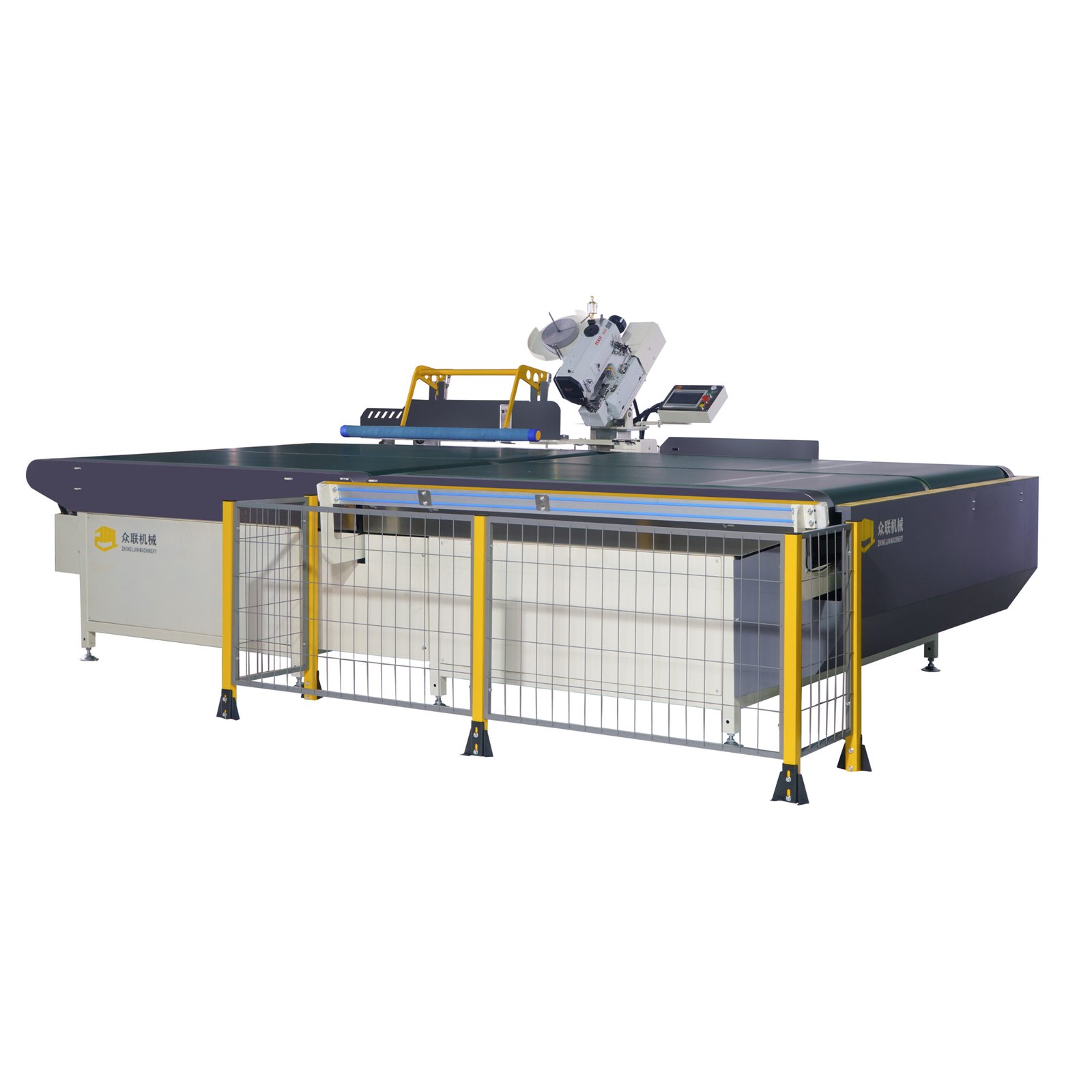
Common QC Tools
- Optical thread monitors
- Tension sensors
- Auto-adjusting presser feet
- cURL Too many subrequests.
cURL Too many subrequests.
- ✨ cURL Too many subrequests.cURL Too many subrequests.
- 🔧 Fewer AdjustmentscURL Too many subrequests.
- 💡 cURL Too many subrequests.cURL Too many subrequests.
cURL Too many subrequests.
cURL Too many subrequests.
cURL Too many subrequests.
- cURL Too many subrequests. cURL Too many subrequests.
- cURL Too many subrequests. cURL Too many subrequests.
- cURL Too many subrequests. cURL Too many subrequests.
- cURL Too many subrequests. cURL Too many subrequests.
- cURL Too many subrequests. cURL Too many subrequests.
cURL Too many subrequests.
cURL Too many subrequests.
cURL Too many subrequests.
cURL Too many subrequests.
- cURL Too many subrequests.cURL Too many subrequests.
- cURL Too many subrequests.cURL Too many subrequests.
- cURL Too many subrequests.cURL Too many subrequests.
- cURL Too many subrequests.cURL Too many subrequests.
cURL Too many subrequests.
cURL Too many subrequests.
cURL Too many subrequests.
cURL Too many subrequests.
- cURL Too many subrequests.
- cURL Too many subrequests.
- cURL Too many subrequests.
- cURL Too many subrequests.
cURL Too many subrequests.
cURL Too many subrequests.
cURL Too many subrequests.
cURL Too many subrequests.
- cURL Too many subrequests.cURL Too many subrequests.
- cURL Too many subrequests.cURL Too many subrequests.
- cURL Too many subrequests.cURL Too many subrequests.
- cURL Too many subrequests.cURL Too many subrequests.
cURL Too many subrequests.
Can Sewing Machines Handle Custom Orders?
Yes—flexibility is built in now.
Today’s machines offer customizable stitch types, edge finishes, logo embroidery, and fast pattern switching.
How Customization Works
- Save stitch profiles by mattress model
- Adjust length/tension by fabric type
- Upload logos or designs for border panels
Custom Option Use Case Stitch Profile LibraryChange patterns by size (twin–king)Multi-Needle Layouts Premium or hybrid mattress panels Logo Tape Support Custom brand identity ### Versatility Meets Heavy-Duty Performance
Modern mattress manufacturing machines are built from high-quality industrial materials designed to handle a wide range of fabrics, trims, and patterns. Whether you’re producing classic pillow-tops or intricate Euro-top borders, these workstations provide the durability required for daily, high-output shifts.
- Border, Panel, and Ruffle Production: Machines can switch between making border panels, decorative ruffles, or quilted tops with minimal downtime.
- Jump Pattern Technology: Advanced quilting machines use jump pattern features for seamless transitions between complex designs—perfect for custom orders or limited-edition runs.
- Attachments and Tooling: A variety of attachments let you add piping, specialty stitches, or reinforced seams without changing out the whole setup.
Streamlined Customization—From Design to Delivery
Today’s sewing automation supports on-the-fly changes. Operators can:
- Store multiple mattress SKU settings for rapid changeovers
- Upload customer logos or seasonal patterns directly to a machine’s digital memory
- Easily adjust stitch length and tension, even mid-production, for specialty fabrics
One-Stop Maintenance and Support
Heavy use demands reliable uptime. Most modern sewing workstations are compatible with widely available parts and attachments, ensuring you’re never waiting long for replacements or upgrades. Plus, digital monitoring systems help spot issues before they slow down your line, keeping custom jobs on schedule.
Bottom line: If your customers want something unique, your shop floor can deliver—without missing a beat.
What’s the ROI of Upgrading Your Sewing Line?
A new machine may cost more up front—but pays for itself faster than hiring.
Most factories recover full ROI on a new automated sewing line within 9–14 months through efficiency gains.
ROI Drivers
- Higher daily output
- Fewer operators per machine
- Reduced scrap and warranty replacements
What After-Sales Services Can You Expect?
Investing in new sewing equipment doesn’t stop at delivery—support matters just as much as the specs.
Leading mattress machine providers typically offer robust after-sales care to keep your line running smoothly. Here’s what you should look for:
- On-site Installation & Commissioning: Technicians handle setup and calibration, so your machinery hits peak performance out of the box.
- Maintenance & Repair Support: Scheduled servicing and fast-response troubleshooting help prevent costly downtime and keep quality on track.
- Spare Parts & Attachments: Reliable supply chains for replacement parts, needles, and attachments ensure you’re never left waiting if something wears out.
- cURL Too many subrequests.: Brand-agnostic programs (from major suppliers like Dürkopp Adler, cURL Too many subrequests., og cURL Too many subrequests.) teach your team to operate, maintain, and troubleshoot for every shift and every model.
cURL Too many subrequests.
What After-Sales Services Can You Expect?
Investing in new sewing equipment doesn’t stop at delivery—support matters just as much as the specs.
Leading mattress machine providers typically offer robust after-sales care to keep your line running smoothly. Here’s what you should look for:
- On-site Installation & Commissioning: Technicians handle setup and calibration, so your machinery hits peak performance out of the box.
- Maintenance & Repair Support: Scheduled servicing and fast-response troubleshooting help prevent costly downtime and keep quality on track.
- Spare Parts & Attachments: Reliable supply chains for replacement parts, needles, and attachments ensure you’re never left waiting if something wears out.
- cURL Too many subrequests.: Brand-agnostic programs (from major suppliers like Dürkopp Adler, cURL Too many subrequests., og cURL Too many subrequests.) teach your team to operate, maintain, and troubleshoot for every shift and every model.
cURL Too many subrequests.
Konklusion
cURL Too many subrequests.
Kontakt os for skræddersyede løsninger! Vi ser frem til at samarbejde med dig og forme en lysere fremtid sammen!
📞 | WhatsApp:+86 15220512074
📧E-mail:zhongliantec@gmail.com
Web | Link:mattressmachineryzl.com
 Danish
  English
  Vietnamese
  Spanish
  German
  French (France)
  French (Canada)
  Japanese
  German (Austria)
  Tibetan
  Malayalam
  Indonesian
  Frisian
  Greek
Greek  Javanese
  Macedonian
  Galician