
Mattress Quilting Machine Reviews: Top Models Compared?
Mattress factories today face a tough question: how to boost output while keeping quilt quality high?
The best mattress quilting machines combine speed, precision, and durability—helping manufacturers create beautiful, comfortable, and long-lasting mattresses at scale.

Choosing the right quilting machine is more than a technical decision. It’s a strategic move. In this article, I’ll compare top models and break down what matters most.
Clarifying Your Production Requirements
Before diving into machine models, pause and take stock of your day-to-day needs. Start by mapping out your current production volumes: How many mattresses does your line finish per shift, and is that number likely to grow in the next year? Consider the kinds of products you make as well—are you quilting basic single-sided mattresses, pillow-tops, or intricate patterns that demand detailed stitching?
Next, look at the complexity of your typical designs. A straightforward box pattern is one thing; intricate motifs or custom embroidery are another. Knowing your level of detail helps pinpoint the features you truly need.
Jot down these requirements:
- Average and peak mattress output per shift
- Types and thicknesses of materials you run most often
- Typical design complexity (from simple grids to custom logos)
- Any upcoming product launches or expansions
With this list, you’ll be ready to match your real-world needs to what the top quilting machines can deliver—without overspending or ending up with features that gather dust.
What makes a quilting machine stand out?
What are the operational principles behind mattress quilting machines?
At the core, mattress quilting machines are marvels of precision engineering designed to transform layers of fabric and padding into cohesive, attractive mattress panels. Understanding how they work helps manufacturers make informed decisions and maximize their investment.
Stitch Formation: The Engine Beneath the Quilted Surface
A mattress’s aesthetic and structural integrity begin with stitch formation. Most modern machines rely on a lockstitch method—think of it as the handshake between the needle thread and the bobbin thread.
Here’s what happens under the hood:
- The needle punctures the layered fabrics, pulling the top thread down.
- A rotating hook grabs this thread, looping it with the bobbin thread underneath.
- This interlocking stitch is the gold standard for security and longevity, holding your quilt together through years of use.
But not all stitches are created equal. The right machine lets operators easily adjust:
- Stitch length, to control the pattern density and visual style.
- Thread tension, keeping everything snug (not too tight, not too loose), preventing ugly puckers or slack stitches.
Fabric Feeding: Keeping Layers Aligned
Anyone who’s ever quilted knows the nightmare of layers shifting—goodbye straight lines, hello frustration. Top machines tackle this with synchronized feeding systems:
- Dual or multi-way feeds move both the top and bottom layers at the same pace.
- This ensures the intricate sandwich of ticking, foam, and fiber always stays lined up, no matter how thick or cushy.
Speed & Control: Matching Output to Demand
Pace matters. Too slow, and you bottleneck production. Too fast, and mistakes multiply. Quality models offer:
- Variable speed controls so operators can slow down for curves and speed up on straightaways.
- High-speed capabilities for those massive batch runs where efficiency is king.
cURL Too many subrequests.
cURL Too many subrequests.
cURL Too many subrequests.
cURL Too many subrequests.
cURL Too many subrequests.
cURL Too many subrequests.
- cURL Too many subrequests.
- cURL Too many subrequests.
- cURL Too many subrequests.
cURL Too many subrequests.
cURL Too many subrequests.
cURL Too many subrequests.
cURL Too many subrequests.
- cURL Too many subrequests.
- cURL Too many subrequests.
- cURL Too many subrequests.
cURL Too many subrequests.
cURL Too many subrequests.
cURL Too many subrequests.
cURL Too many subrequests.
- cURL Too many subrequests.
- cURL Too many subrequests.
- cURL Too many subrequests.
cURL Too many subrequests.
cURL Too many subrequests.
cURL Too many subrequests.
cURL Too many subrequests.
cURL Too many subrequests.
cURL Too many subrequests.
cURL Too many subrequests.
cURL Too many subrequests.
cURL Too many subrequests.
cURL Too many subrequests.
cURL Too many subrequests.
cURL Too many subrequests.
cURL Too many subrequests.

cURL Too many subrequests.
cURL Too many subrequests.
cURL Too many subrequests.
- cURL Too many subrequests. cURL Too many subrequests.
- cURL Too many subrequests. Multiple needles mean every mattress comes out with precise, consistent stitching—think of it as the difference between hand-painting and screen-printing a pattern.
- Fabric Flexibility: Whether you’re working with plush pillow tops or firmer substrates, multi-needle quilting machines can handle it all, seamlessly adapting to different fabric and padding combinations.
With these benefits, it’s no wonder multi-needle systems have become the workhorses in modern mattress manufacturing.
Single-Needle Quilting Machines: Precision for Premium Mattresses
So, what exactly is a single-needle quilting machine? Think of it as the artisan in the workshop—built for those who want the freedom to create detailed, bespoke patterns without compromise. Unlike its multi-needle siblings, this machine uses just one needle, allowing for greater control over every stitch and curve on the fabric.
Why choose single-needle? Here’s what sets it apart:
- Unmatched Design Versatility: The single needle lets you trace intricate, customized patterns, opening the door for designers to get truly creative with high-end and specialty mattresses.
- Exceptional Stitch Quality: Each pass is carefully managed, resulting in top-tier precision. If your goal is a perfectly tailored look or detailed motifs, this is the machine for you.
- Built for Custom, Not Mass Production: Admittedly, it’s not winning any speed races—single-needle quilting favors craftsmanship and attention to detail over quantity.
For manufacturers focused on quality and intricate designs, single-needle quilting machines are the go-to choice for making mattresses that stand out in both look and feel.
Latest Trends and Technology Advancements in Mattress Quilting Machines
Staying ahead in mattress manufacturing means embracing the latest technology—and quilting machines have not been left out of the innovation race. Today’s top performers are equipped with smart features that would make even your grandmother’s trusty Singer jealous.
Here’s what’s making waves right now:
- AI-Driven Pattern Creation
Modern machines use artificial intelligence to whip up intricate stitch patterns based on the latest design trends and customer preferences. Want to roll out fresh, unique patterns without enlisting a team of CAD wizards? There’s a button for that. - Smart Connectivity and Automation
The Internet of Things (IoT) has found its way onto the production floor. With real-time monitoring, predictive maintenance alerts, and data-driven performance tweaks, some machines are practically self-aware. They can even sync with broader factory management systems to keep everything humming along efficiently. - Automated Material Handling
Say goodbye to manual fabric wrangling. Advanced models now come with automated loaders and robotic arms that align, transfer, and position materials with laser precision—keeping productivity up and errors down. - Energy Efficiency Upgrades
Tomorrow’s quilt machines are green machines. Improved pneumatics, energy-recovery tech, and intelligent power management systems keep operational costs down and satisfy even the pickiest sustainability goals (or at least your accountant). - Multifunctional Production Cells
Why stop at quilting? The latest systems combine quilting, cutting, border work, and packaging into a single, seamless process, controlled from one central hub. It’s like an assembly line that moonlights as a Swiss Army knife.
When weighing your next machine upgrade, look for equipment that’s future-ready—modular enough to take advantage of tomorrow’s upgrades and smart enough to stay relevant long after the paint dries on your current models.
Choosing the Right Quilting Machine for Your Production Needs
Selecting between single-head, multi-needle, double-beam, and specialized quilting machines comes down to evaluating the demands of your production floor.
Single-head quilting machines are ideal for workshops focused on custom projects, low-volume runs, or frequently changing designs. These machines provide flexibility and precise control for unique orders, making them perfect for artisan operations or niche product lines.
Multi-needle quilting machines, on the other hand, are the workhorses of medium to large facilities. If your priority is producing standardized patterns at high speeds, these machines deliver both consistency and efficiency. They strike a solid balance between investment and output, allowing mattress manufacturers to keep up with growing demands without sacrificing quality.
Double-beam (continuous) quilting machines take speed and volume up another notch. Designed for industrial-scale production, these systems excel when non-stop, high-throughput processing is essential. Think of them as the main engines driving major brands and large-scale operations.
Specialized quilting systemscURL Too many subrequests.
cURL Too many subrequests.
- cURL Too many subrequests.
- cURL Too many subrequests.
- cURL Too many subrequests.
- cURL Too many subrequests.
cURL Too many subrequests.
cURL Too many subrequests.
cURL Too many subrequests.
cURL Too many subrequests. cURL Too many subrequests., cURL Too many subrequests., cURL Too many subrequests. cURL Too many subrequests., cURL Too many subrequests.
cURL Too many subrequests.
- cURL Too many subrequests. cURL Too many subrequests.
- cURL Too many subrequests. cURL Too many subrequests.
- cURL Too many subrequests. cURL Too many subrequests.
- cURL Too many subrequests. cURL Too many subrequests.
- cURL Too many subrequests. cURL Too many subrequests.
cURL Too many subrequests.
cURL Too many subrequests.
cURL Too many subrequests.
cURL Too many subrequests. cURL Too many subrequests.
- cURL Too many subrequests. cURL Too many subrequests.
- cURL Too many subrequests. cURL Too many subrequests.
- cURL Too many subrequests. cURL Too many subrequests.
- cURL Too many subrequests. cURL Too many subrequests.
cURL Too many subrequests., cURL Too many subrequests. cURL Too many subrequests.
- cURL Too many subrequests. cURL Too many subrequests.
- Simplicity wins: A few basic patterns suffice, and mechanical adjustments are familiar territory for most operators.
- Labor isn’t costly: If skilled hands are plentiful and technical support is limited, these systems keep things straightforward.
However, they do come with trade-offs:
- Slower throughput
- Higher dependence on operator skill
- More time needed for switching between designs
Bottom line: If your sights are set on rapid scaling, keeping pace with ever-changing market tastes, or boosting productivity, computerized systems are usually the smarter bet—even if they stretch your budget up front. But for niche, artisanal projects or when every dollar counts, manual and semi-automatic options can still deliver beautiful results without overwhelming complexity.
Stitching Quality: The heart of mattress presentation and durability
A mattress that looks cheap often comes down to one thing—poor stitching. And customers notice.
How does the hook mechanism work in quilting machines?
The hook mechanism is the unsung hero behind every crisp, secure stitch in mattress quilting. Working in tandem with the needle, the hook’s job is to catch the upper thread as the needle descends, looping it around the bobbin thread and locking each stitch into place.
A high-quality hook—like those found in industrial names such as Singer or cURL Too many subrequests.—ensures the stitching process runs smoothly and consistently, even at high speeds. When the hook is precisely timed and engineered, you avoid the headaches of missed stitches or thread tangles. This is especially crucial when running long production cycles and working with challenging materials or multiple layers.
If you want flawless seams, invest in a machine with a robust, well-calibrated hook mechanism—it’s the small engineering detail that makes a big difference in mattress presentation and durability.
Key Metrics:
- Uniformity of stitch length
- No skipped stitches or bunching
- Handles different padding types (foam, fiber, etc.)
| Machine | Stitching Tech | Max Needles | Consistency Rating |
|---|---|---|---|
| DF-Q5000 | Servo Motor Drive | 20 | ★★★★★ |
| DF-Q3000 | Pneumatic + Digital Tension | 18 | ★★★★☆ |
| DF-Lite | Manual tension control | 12 | ★★★☆☆ |
How does the lockstitch mechanism work in quilting machines?
The backbone of most quilting machines is the lockstitch mechanism—a system that ensures each stitch is secure and long-lasting. Here’s how it operates:
- Thread Interlocking: As the needle pushes through the fabric layers, it brings its top thread down.
- cURL Too many subrequests. cURL Too many subrequests.
- cURL Too many subrequests. cURL Too many subrequests.
cURL Too many subrequests.
cURL Too many subrequests.
cURL Too many subrequests.
cURL Too many subrequests.
cURL Too many subrequests.
cURL Too many subrequests.
cURL Too many subrequests. cURL Too many subrequests. und cURL Too many subrequests. cURL Too many subrequests.
cURL Too many subrequests.
- cURL Too many subrequests. cURL Too many subrequests.
- cURL Too many subrequests. cURL Too many subrequests.
cURL Too many subrequests.
cURL Too many subrequests.
cURL Too many subrequests.
- cURL Too many subrequests. cURL Too many subrequests.
- cURL Too many subrequests. cURL Too many subrequests.
cURL Too many subrequests.
cURL Too many subrequests.
cURL Too many subrequests.
- cURL Too many subrequests. cURL Too many subrequests.
- cURL Too many subrequests. cURL Too many subrequests.
cURL Too many subrequests.
cURL Too many subrequests.
cURL Too many subrequests.
- cURL Too many subrequests.cURL Too many subrequests.
- cURL Too many subrequests.cURL Too many subrequests.
cURL Too many subrequests.
cURL Too many subrequests.
To achieve that crisp, professional finish, the mattress quilting process relies on a well-tuned fabric and padding feed system.
Coordinated Movement for Consistency
Imagine trying to sew a sandwich of foam, fiber, and fabric—without everything slipping around like socks on a polished floor. The feed system is what keeps those layers in check. Using a combination of rollers and feed dogs (those toothy metal strips you’ll find under the sewing foot), the machine keeps tension even and the layers moving together as a unified whole.
- Adjustable Rollers: These control how tightly the layers are held, allowing fine adjustments whether you’re stitching delicate quilting cotton or a hefty slab of memory foam.
- Customizable Feed Dogs: With settings for different thicknesses, feed dogs grip and pull the sandwich along, so each stitch goes exactly where it should—no bunching, no skipped spots.
Securely Held from Start to Finish
Equally important is the framework behind the scenes. As the feed system directs the layers along, a sturdy frame and reliable clamping mechanism lock the materials firmly in place. This ensures that each pass of the needle lands precisely, whether you’re working with a whisper-thin padding or a more robust, pillowtop design.
Taken together, this choreography of rollers, feed dogs, and clamps is what separates mattresses that look sharp and well-made from those that seem, well, a little frumpy around the edges.
What Is a Synchronized Feed System—and Why Does It Matter for Quilting?
If you’ve ever noticed a mattress cover with puckered seams, misaligned patterns, or bunching, chances are the culprit is mismanaged fabric movement through the quilting machine. Enter the synchronized feed system.
- How It Works: This system ensures both the top and bottom layers of fabric feed through the machine at exactly the same rate, side-stepping the dreaded shifting or slipping that can spell disaster for neat, even stitches.
- Why It Matters: When both layers are perfectly synchronized—think of it like two ballroom dancers gliding in unison—you get straight, even seams regardless of how slippery or bulky your materials are. Whether it’s plush foam or dense fiber padding, the synchronized feed system helps the stitching look clean and professional, every time.
It’s details like these that give you crisp, presentable mattress panels and a finished product that’s up to par with top-tier brands like Sealy or Serta.
From my experience, machines with programmable digital tension controls and servo motors maintain the cleanest lines—essential for premium-looking mattresses.
When you’re aiming for flawless quilting, the unsung heroes are often adjustable rollers and the settings on your machine’s feed dogs. These components control how smoothly the fabric layers glide through the machine, directly impacting stitch consistency and finished quality.
Why do these features matter?
- Adjustable Rollers: Let you fine-tune fabric tension, which minimizes the risk of fabric bunching or slipping—whether you’re sewing delicate quilting cotton, thick memory foam, or layering multiple materials. On models like the Juki LU-2828A or the Singer Quantum Stylist, dialed-in roller tension helps maintain pattern accuracy from edge to edge.
- Feed Dog Settings: Customizable feed dog height and movement options allow you to match the feed rate to your fabric’s thickness. Quilts stay perfectly aligned, even with abrupt changes in material or when switching between fiberfill, foam, or batting.
Bottom line:
Machines with quick-adjust rollers and multiple feed dog settings add versatility and reduce adjustments between jobs. On a busy line, this saves time, reduces waste, and keeps output high—no matter what mix of fabrics you’re stitching together.
Versatility for Residential and Commercial Needs
Can one machine tackle both home and hotel mattresses? Absolutely. Most top-tier quilting machines—think Dürkopp Adler, cURL Too many subrequests., cURL Too many subrequests. cURL Too many subrequests.—are designed with enough flexibility to handle both residential and commercial mattress production.
What makes the difference? It’s not about swapping out an entire system but rather about adjusting parameters like pattern complexity, fabric thickness, and speed. A machine that shines on showroom-floor pillow-tops can be dialed up for dense, contract-grade padding in just a few simple steps.
- Pattern Diversity: Switch between simple home designs and elaborate hotel motifs with programmable controls.
- cURL Too many subrequests.cURL Too many subrequests.
- ProduktionsgeschwindigkeitcURL Too many subrequests.
cURL Too many subrequests.
cURL Too many subrequests.
cURL Too many subrequests.
cURL Too many subrequests.
cURL Too many subrequests. cURL Too many subrequests., cURL Too many subrequests., cURL Too many subrequests. cURL Too many subrequests. cURL Too many subrequests.
- cURL Too many subrequests.
- cURL Too many subrequests.
- cURL Too many subrequests.
cURL Too many subrequests.
cURL Too many subrequests.
cURL Too many subrequests.
cURL Too many subrequests.
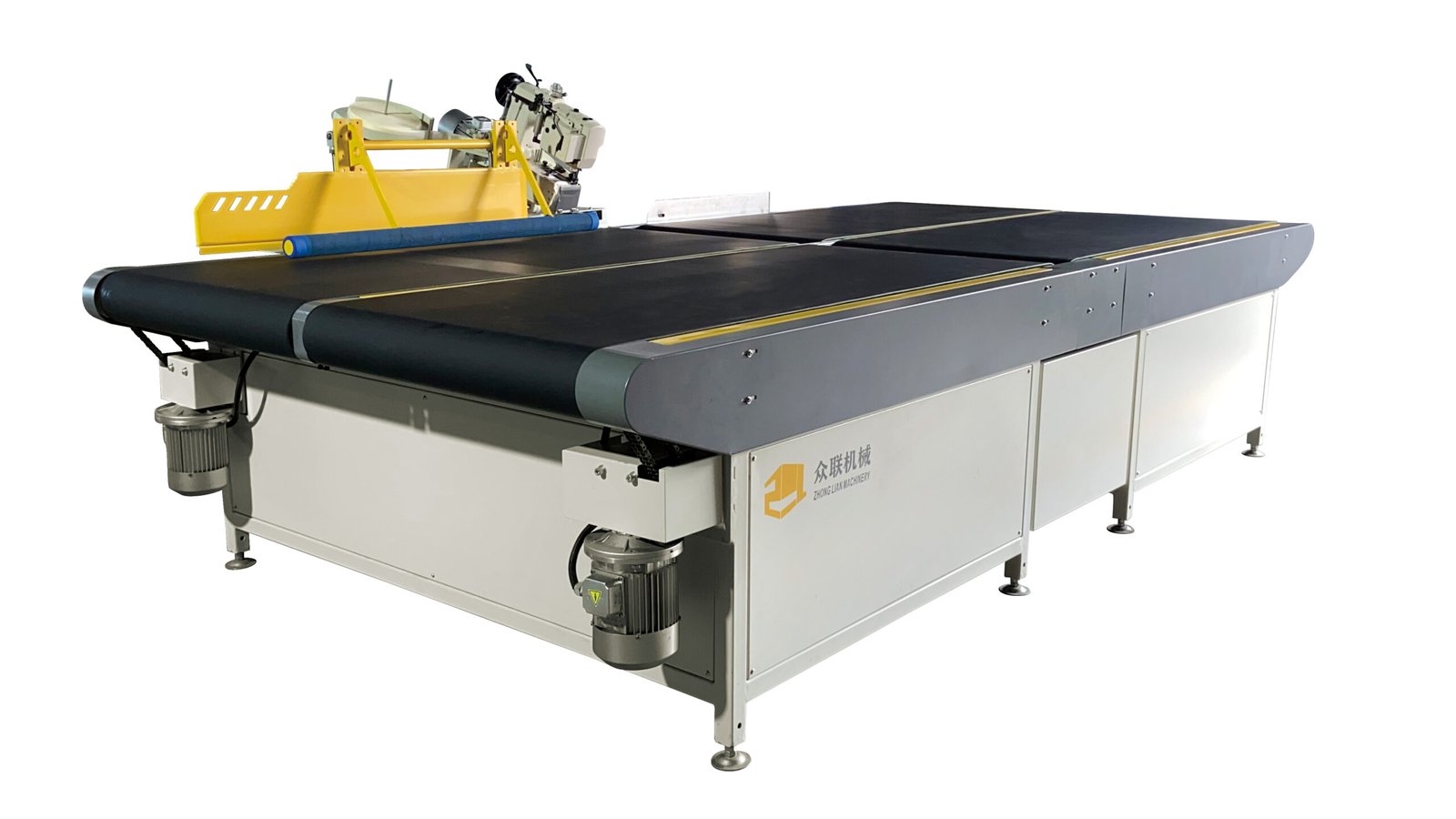
cURL Too many subrequests.
cURL Too many subrequests.
cURL Too many subrequests.
| cURL Too many subrequests. | cURL Too many subrequests. | cURL Too many subrequests. | cURL Too many subrequests. |
|---|---|---|---|
| DF-Q5000 | cURL Too many subrequests. | cURL Too many subrequests. | 96% |
| DF-Q3000 | cURL Too many subrequests. | cURL Too many subrequests. | 92% |
| DF-Lite | cURL Too many subrequests. | cURL Too many subrequests. | 85% |
cURL Too many subrequests.
cURL Too many subrequests.
cURL Too many subrequests.
cURL Too many subrequests., cURL Too many subrequests. cURL Too many subrequests., cURL Too many subrequests.
cURL Too many subrequests. cURL Too many subrequests. cURL Too many subrequests. und Singer cURL Too many subrequests.
Bottom line: cURL Too many subrequests.
cURL Too many subrequests.
Training time and operator turnover are real production risks.
Machines with intuitive UIs, touchscreen controls, and memory settings cut training time and reduce errors.
Ease of Use
| cURL Too many subrequests. | Control Panel | Learning Curve | Operator Comfort |
|---|---|---|---|
| DF-Q5000 | 10″ Touchscreen + Smart Presets | Niedrig | ★★★★★ |
| DF-Q3000 | Analog + Limited Digital | Mittel | ★★★★☆ |
| DF-Lite | Manual knobs | Hoch | ★★☆☆☆ |
I’ve seen new hires become productive within 3 days on the DF-Q5000. With older manual machines, that took weeks.
Training and Support: How quickly can your team get up to speed?
Getting operators confident on new equipment is just as crucial as the tech itself. Most major suppliers offer hands-on onboarding, step-by-step video tutorials, and remote assistance, so even new hires can hit the ground running.
Many brands, from cURL Too many subrequests. to Dürkopp Adler, provide:
- On-site initial training sessions
- Interactive video libraries and downloadable guides
- Remote troubleshooting via phone or video call
- Follow-up workshops for skill upgrades
Ongoing access to support resources means you’ll rarely be left guessing—crucial when you’re running long shifts and tight schedules.
With the right training, I’ve seen teams master complex features and keep productivity high—even as turnover or shift changes roll in.
When does a manual quilting system make sense?
Despite the march of automation, there’s still a place for manual and semi-automatic quilting machines on the production floor—if the fit is right.
Manual systems excel for:
- Boutique and artisanal manufacturers: If you’re crafting small batches, want complete control over every stitch, or make custom, high-value products (think luxury inn mattresses or European-style hand-tufting), manual machines keep you flexible and costs low.
- Startups and lean operations: When capital is tight and every investment must pay off quickly, a manual system limits upfront expense and keeps maintenance simple.
- Regions with low labor costs: In markets where skilled labor is affordable and reliable technical support for complex machines is scarce, manual machines shine. They’re less finicky, easier to fix, and don’t leave you at the mercy of proprietary software.
- Products with simple, repeatable designs: If your bread and butter is a consistent, classic quilt pattern (no complicated logos or intricate motifs), manual machines can churn these out without the learning curve or fragility of their high-tech counterparts.
So, while the latest touchscreen marvels are tempting, old-school options still have their niche—provided your operation matches their strengths.
Installation & Setup: How long will you wait before quilting?
Time is money, especially when a new machine is sitting on your factory floor.
In most cases, you can expect the installation and initial setup of a standard multi-needle quilting machine—think options from cURL Too many subrequests., Tajima, cURL Too many subrequests. Durkopp AdlercURL Too many subrequests. cURL Too many subrequests.. cURL Too many subrequests.
cURL Too many subrequests.
cURL Too many subrequests. cURL Too many subrequests.
cURL Too many subrequests.
cURL Too many subrequests.
cURL Too many subrequests.
cURL Too many subrequests.
cURL Too many subrequests.
cURL Too many subrequests. cURL Too many subrequests. or Singer cURL Too many subrequests.
cURL Too many subrequests.
cURL Too many subrequests.
- cURL Too many subrequests.
- cURL Too many subrequests.
- cURL Too many subrequests.
| Machine | cURL Too many subrequests. | cURL Too many subrequests. | cURL Too many subrequests. |
|---|---|---|---|
| DF-Q5000 | cURL Too many subrequests. | cURL Too many subrequests. | Niedrig |
| DF-Q3000 | cURL Too many subrequests. | cURL Too many subrequests. | Mittel |
| DF-Lite | cURL Too many subrequests. | cURL Too many subrequests. | Hoch |
cURL Too many subrequests.
cURL Too many subrequests.
cURL Too many subrequests.
cURL Too many subrequests. cURL Too many subrequests. und cURL Too many subrequests. cURL Too many subrequests.
cURL Too many subrequests.
cURL Too many subrequests.
cURL Too many subrequests.
cURL Too many subrequests.
cURL Too many subrequests. cURL Too many subrequests., cURL Too many subrequests., cURL Too many subrequests. Durkopp Adler cURL Too many subrequests.
cURL Too many subrequests.
- cURL Too many subrequests.
- Add new functions (like smart diagnostics or energy-saving modes) as your needs grow
- Stay compatible with emerging materials and production trends
In my shop, we always gravitate toward machines with open upgrade paths. Investing in upgrade-ready hardware and robust manufacturer support is insurance against obsolescence—and it keeps your operation nimble as the industry changes.
What is the typical investment range for entry-level, mid-range, and industrial quilting machines?
Budget is always in the back of every manufacturer’s mind—and for good reason. Deciding how much machine you need (and what you’ll pay for it) depends on your production volume and plan for growth.
Here’s a quick guide to what you can expect:
- Entry-Level Machines: Perfect for startups or small shops producing up to 15 mattresses per day. Expect to invest anywhere from $30,000 to $60,000 for a reliable lock-stitch or single-needle model from trusted names like Durkopp Adler or cURL Too many subrequests.. These are solid workhorses that let you get up and running without killing your cash flow.
- Mid-Range Machines: If you’re scaling up and pushing 15 to 50 mattresses daily, look for programmable panel quilters and semi-automatic cutters. Typical investment hovers between $100,000 and $200,000, depending on the level of automation and integration. Brands like AMETEK, cURL Too many subrequests., cURL Too many subrequests. Prestar have versatile models suited for this range.
- Industrial-Grade Solutions: For big operations (think 50 mattresses a day and beyond), fully automated multi-needle lines with advanced material handling are the gold standard. Here, it’s common to see investments starting at $200,000 and stretching to $350,000 or more, especially if you want the fastest throughput with minimal staffing. Notable names include Singer Industrial und Galkin.
Regardless of segment, remember to factor in not just the sticker price, but also the value of efficiency, labor savings, and long-term reliability.
What are typical payback periods for different types of quilting machines?
Let’s talk return on investment—because even the most impressive machine has to justify its spot on your production floor.
Here’s a realistic look at how quickly you can expect various quilting machines to pay for themselves based on setups I’ve seen (and sweated over):
- Entry-level computerized quilters: If you start with something basic from brands like cURL Too many subrequests. or cURL Too many subrequests., you’re generally looking at a payback window of around 12–18 months. These machines are less expensive up front and keep things simple, making it easier to recoup your costs—especially when ramping up small-batch runs.
- Mid-range multi-needle systems: Step up to models like the ZOJE ZJ-MQ series or Singer’s commercial lines, and your payback period typically lands between 18 and 24 months. The extra speed and semi-automation make a real dent in labor hours—but the higher initial investment stretches your breakeven a bit further.
- High-end integrated quilting lines: If you go all-in with a full-scale solution from the likes of Dürkopp Adler or cURL Too many subrequests., cURL Too many subrequests.
cURL Too many subrequests.
cURL Too many subrequests.
cURL Too many subrequests.
cURL Too many subrequests.
- cURL Too many subrequests. cURL Too many subrequests. cURL Too many subrequests. und Serta cURL Too many subrequests.
- cURL Too many subrequests. cURL Too many subrequests.
- cURL Too many subrequests. cURL Too many subrequests.
- cURL Too many subrequests. cURL Too many subrequests.
cURL Too many subrequests.
cURL Too many subrequests.
cURL Too many subrequests.
cURL Too many subrequests.
cURL Too many subrequests.
- cURL Too many subrequests. cURL Too many subrequests.“
- cURL Too many subrequests. cURL Too many subrequests.
- cURL Too many subrequests. cURL Too many subrequests.cURL Too many subrequests. und cURL Too many subrequests. cURL Too many subrequests.
cURL Too many subrequests.
cURL Too many subrequests.
- cURL Too many subrequests. cURL Too many subrequests.
- cURL Too many subrequests. cURL Too many subrequests. cURL Too many subrequests., cURL Too many subrequests.cURL Too many subrequests.
- cURL Too many subrequests. cURL Too many subrequests.
- cURL Too many subrequests. cURL Too many subrequests.
cURL Too many subrequests.
cURL Too many subrequests.
cURL Too many subrequests.
cURL Too many subrequests. cURL Too many subrequests. for custom interior quilting and watched operators breeze through pattern changes that would have stalled lesser machines.
Bonus: You get to ask the folks running the machines what breaks, what saves time, and what they wish they’d known before buying. Real feedback on maintenance headaches (or lack thereof) and honest productivity numbers are impossible to glean from brochures.
By seeing machines in their natural habitat, you make sure you’re investing in equipment that truly fits your shop—not just what looks good under spotlights.
Extra features: Are they worth it?
Sometimes it’s the small things that save big time.
Advanced models offer features like memory presets, pattern uploads, automated diagnostics, and energy-saving modes.
| Eigenschaft | DF-Q5000 | DF-Q3000 | DF-Lite |
|---|---|---|---|
| Pattern Storage | Yes (USB & Cloud) | Yes (USB) | No |
| Self-Diagnostics | Yes | No | No |
| Energy Saving Mode | Yes | Yes | No |
On complex quilting jobs, these features reduce changeover time and help spot problems before they cause delays.
Balancing Today’s Needs with Tomorrow’s Growth
So—how do you avoid outgrowing your machine too soon, but also sidestep paying for bells and whistles you don’t really need yet?
Here’s how I approach it:
- Think modular: Look for machines with upgrade paths. For instance, models like cURL Too many subrequests.’s modular series or Bernina Q-matic allow you to add features as production ramps up, so you’re not stuck with an all-or-nothing decision.
- Match capabilities to your real workload: Don’t chase maximum specs just because it looks impressive on paper. If you’re running small batches now but expect to scale within a year, prioritize systems that handle both current volume and moderate ramp-up—think 15–20% headroom in speed and handling capacity.
- Consider your team: Advanced automation is tempting, but only makes sense if you have—or plan to hire—operators who can fully utilize those controls and features.
Bottom line: Choose a quilting machine that makes sense for how you work today, but won’t hold you back next year. If you’re on the fence, talk to local shops or reach out to manufacturer reps (cURL Too many subrequests., cURL Too many subrequests., Sealy factories, etc.) for insights based on their product lines and real-world results.
Common Pitfalls to Dodge When Buying a Quilting Machine
Choosing a quilting machine isn’t just about picking the shiniest or most high-tech model on the market—there are some traps I see buyers fall into time and again.
Here are a few to steer clear of:
- Going too cheap, too soon: Opting for a bargain-basement machine (we’ve all seen the $399 specials from GenericCo) might save you a buck upfront, but you’ll pay for it later with repairs, frequent downtime, and outdated tech just when you’re ready to grow.
- Overbuying beyond your actual needs: It’s tempting to grab the biggest, baddest machine MoneyTech offers, but oversized equipment can eat up floor space, tie up cashflow, and require more maintenance than your current workload justifies.
- cURL Too many subrequests. cURL Too many subrequests.
- cURL Too many subrequests. cURL Too many subrequests. cURL Too many subrequests.cURL Too many subrequests.
- cURL Too many subrequests. cURL Too many subrequests.
cURL Too many subrequests.
cURL Too many subrequests.
cURL Too many subrequests.
cURL Too many subrequests.
- cURL Too many subrequests. cURL Too many subrequests.
- cURL Too many subrequests. cURL Too many subrequests. Dürkopp Adler, cURL Too many subrequests., cURL Too many subrequests. cURL Too many subrequests.cURL Too many subrequests.
- cURL Too many subrequests. cURL Too many subrequests.
- cURL Too many subrequests. cURL Too many subrequests.
cURL Too many subrequests.
cURL Too many subrequests.
cURL Too many subrequests.
cURL Too many subrequests.
cURL Too many subrequests.
- cURL Too many subrequests. cURL Too many subrequests.
- cURL Too many subrequests. cURL Too many subrequests.
- cURL Too many subrequests. cURL Too many subrequests. cURL Too many subrequests. cURL Too many subrequests.
cURL Too many subrequests.
cURL Too many subrequests.
- cURL Too many subrequests. cURL Too many subrequests.
- cURL Too many subrequests. cURL Too many subrequests.
- Lower energy bills: Today’s servo motors and smart sleep modes sip power compared to the hum of old clunkers.
- Maintenance: Robust builds and smart diagnostics mean fewer breakdowns and less lost production.
Revenue Boosts: Get paid for quality
It’s not just about saving money—it’s making more, too:
- Higher throughput: Faster cycles and reduced downtime bump up your daily output. Suddenly, those big orders aren’t so scary.
- Premium pricing: Consistent, high-quality stitching unlocks premium mattress lines. Better products, better margins.
- Quick pivots: Need custom patterns or want to follow this year’s hot trend? Pattern uploads and memory settings let you switch gears in minutes, not hours.
Put it together, and your machine doesn’t just pay for itself—it starts fueling your business growth.
What budget parameters should I establish?
Let’s be honest—sticker price is just the tip of the iceberg.
Smart buyers look beyond the invoice and think through the true cost of getting a quilting machine up and running. Over the years and a few too many surprise bills, I’ve narrowed it down to these main budget categories:
- cURL Too many subrequests. The obvious one, but check for all model variants and any options you want pre-installed.
- Installation and setup: Will you need technicians from cURL Too many subrequests., cURL Too many subrequests., or another big player to come to your facility? Travel and setup fees can add up.
- Operator training: Whether you’re training a new hire or upskilling your crew, some companies offer on-site sessions—worth every penny, but not always free.
- Initial spare parts kit: I always recommend budgeting for common wear parts (needles, belts, sensors) right out of the gate. It’s much faster than overnighting from cURL Too many subrequests. or Singer when you’re suddenly down mid-production.
- Maintenance & service agreements: Annual service contracts are an investment—but a single missed service visit can be much pricier.
- Shipping and customs (if importing): Don’t forget freight, handling, and tariffs if you’re sourcing from overseas brands like cURL Too many subrequests. or Mitsubishi.
Building your budget with these in mind means fewer surprises, smoother installation, and faster ROI on your new quilting machine.
What financial factors matter when buying a quilting machine?
Cost is always part of the equation—but a solid ROI analysis should go beyond the sticker price.
Breaking down the numbers
Here’s what I’d look at when running the math:
Upfront Investment
- cURL Too many subrequests. Entry models start around $30K, while advanced quilting lines can easily top $300K.
- Installation and setup: Budget for shipping, rigging, plus any punch-list adaptations to your workspace.
- cURL Too many subrequests. cURL Too many subrequests.
- cURL Too many subrequests. cURL Too many subrequests.
cURL Too many subrequests.
- cURL Too many subrequests. cURL Too many subrequests.
- cURL Too many subrequests. cURL Too many subrequests.
- cURL Too many subrequests. cURL Too many subrequests.
- Maintenance: cURL Too many subrequests.
cURL Too many subrequests.
- Higher throughput: cURL Too many subrequests.
- cURL Too many subrequests. cURL Too many subrequests.
- cURL Too many subrequests. cURL Too many subrequests.
cURL Too many subrequests.
cURL Too many subrequests.
- cURL Too many subrequests. cURL Too many subrequests.
- cURL Too many subrequests. cURL Too many subrequests.
- cURL Too many subrequests. cURL Too many subrequests.
cURL Too many subrequests.
cURL Too many subrequests.
cURL Too many subrequests.
cURL Too many subrequests.
cURL Too many subrequests.
cURL Too many subrequests.
- cURL Too many subrequests.cURL Too many subrequests. cURL Too many subrequests. or cURL Too many subrequests..
- cURL Too many subrequests.cURL Too many subrequests.
- cURL Too many subrequests.cURL Too many subrequests. cURL Too many subrequests. cURL Too many subrequests.
- cURL Too many subrequests.cURL Too many subrequests.
cURL Too many subrequests.
Fazit
cURL Too many subrequests.
cURL Too many subrequests.
Kontaktieren Sie uns für maßgeschneiderte Lösungen! Wir freuen uns auf die Zusammenarbeit mit Ihnen und gemeinsam eine bessere Zukunft zu gestalten!
📞 | WhatsApp:+86 15220512074
📧E-Mail:zhongliantec@gmail.com
Web | Link:mattressmachineryzl.com
 German
  English
  Vietnamese
  Spanish
  French (France)
  French (Canada)
  Japanese
  German (Austria)
  Tibetan
  Danish
  Malayalam
  Indonesian
  Frisian
  Greek
Greek  Javanese
  Macedonian
  Galician