
Wie kann die Produktionseffizienz von Matratzenmaschinen verbessert werden?
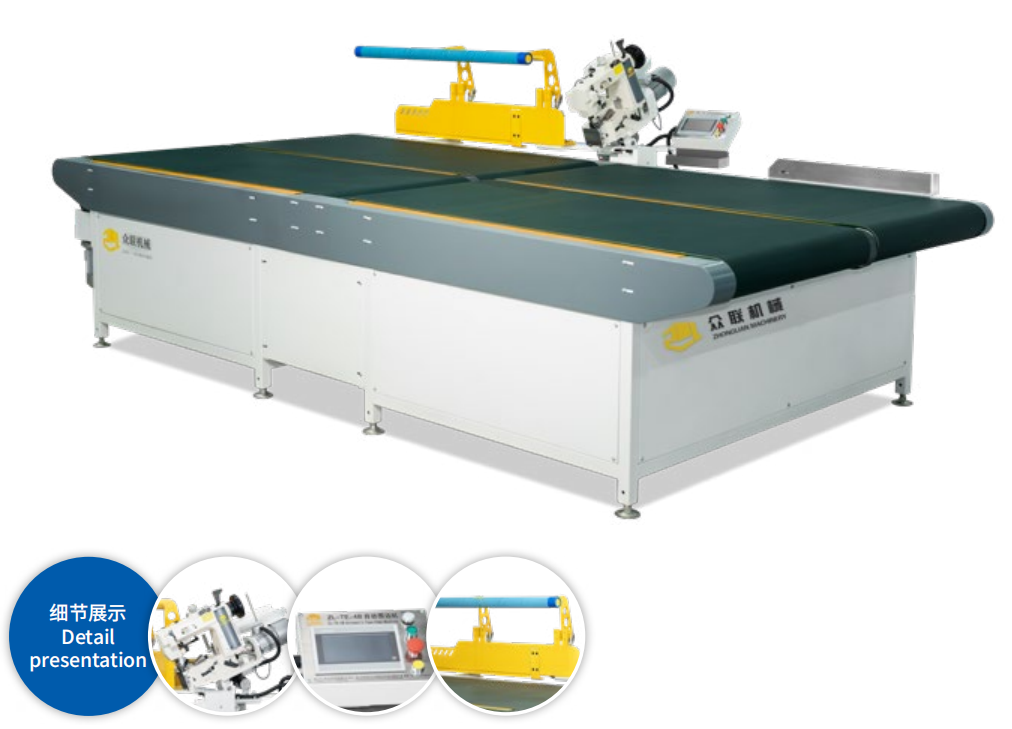
Steigende Arbeitskosten, inkonsistente Qualität und ineffiziente Arbeitsabläufe hindern viele Matratzenfabriken daran, zu wachsen und sich an den globalen Markt anzupassen…
By upgrading machinery, training staff, and optimizing workflows, mattress manufacturers can significantly improve production efficiency, reduce costs, and enhance product quality.
These improvements are especially crucial for factories targeting export markets, where speed, consistency, and flexibility determine long-term competitiveness.
What role does automation play in mattress machinery efficiency?
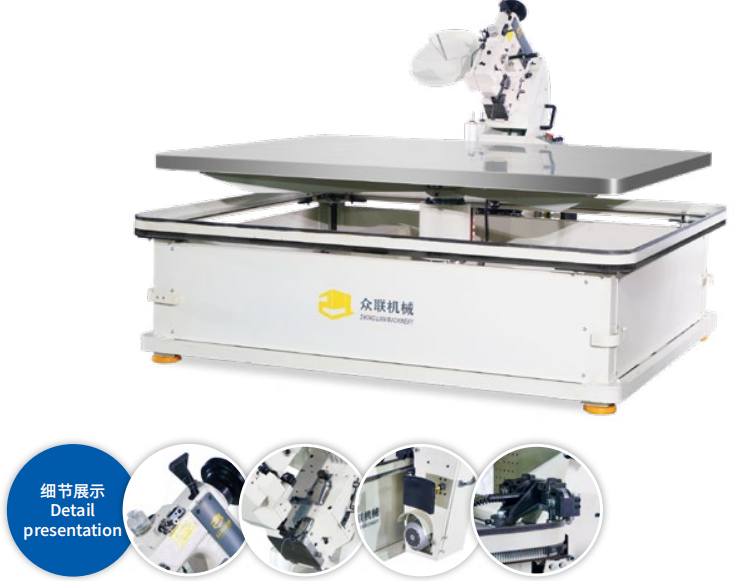
Manual operations take time, increase the risk of errors, and limit production output.
Automation—through robotic arms, automated conveyors, and PLC-controlled machines—helps reduce cycle times, improve consistency, and minimize labor costs.
Key Benefits of Automation:
- Cutting and sewing precision: Robots can handle repetitive tasks with high accuracy.
- PLCs (Programmable Logic Controllers): These systems enable machines to auto-adjust, monitor faults, and optimize parameters in real time.
- Automated conveyors: Reduce material transfer time and minimize bottlenecks between workstations.
Automation frees up human workers to manage quality control or machine supervision, increasing overall plant productivity.
Why is regular maintenance so important?
Machines break down more often when maintenance is reactive instead of proactive.
Regular inspections, lubrication, and calibration prevent unexpected failures and keep mattress machines running smoothly.
Maintenance Efficiency Tips:
| Task | Frequenz | Goal |
|---|---|---|
| Lubrication | Wöchentlich | Reduce part friction |
| Electrical check | cURL Too many subrequests. | Prevent power faults |
| cURL Too many subrequests. | Quarterly | Maintain accuracy |
When manufacturers combine regular maintenance with targeted upgrades like servo motors or intelligent sensors, even older machines can deliver better performance.
How can workflow layout improve production speed?
Bad layouts cause delays, unnecessary worker movement, and material handling inefficiencies.
Optimizing the floor plan according to lean manufacturing principles helps reduce waste, shorten lead times, and boost output.
Common Workflow Optimizations:
- U-shaped layouts for seamless flow between cutting, sewing, and packing.
- Dedicated buffer zones to prevent jams during high-volume orders.
- Visual signals (kanban cards, color-coded bins) for faster material management.
When each machine is placed strategically and every movement has a purpose, the factory becomes much more efficient.
How does operator training influence efficiency?
Even the most advanced equipment is useless if operators don’t know how to run or maintain it properly.
cURL Too many subrequests.
cURL Too many subrequests.
- cURL Too many subrequests.
- cURL Too many subrequests.
- cURL Too many subrequests.
- cURL Too many subrequests.
cURL Too many subrequests.
cURL Too many subrequests.
cURL Too many subrequests.
cURL Too many subrequests.
cURL Too many subrequests.
| Metrisch | Vorteil |
|---|---|
| Cycle time | cURL Too many subrequests. |
| cURL Too many subrequests. | cURL Too many subrequests. |
| cURL Too many subrequests. | cURL Too many subrequests. |
cURL Too many subrequests.
cURL Too many subrequests.
cURL Too many subrequests.
cURL Too many subrequests.
cURL Too many subrequests.
- cURL Too many subrequests. cURL Too many subrequests.
- cURL Too many subrequests. cURL Too many subrequests.
- cURL Too many subrequests. cURL Too many subrequests.
cURL Too many subrequests.
cURL Too many subrequests.
cURL Too many subrequests.
cURL Too many subrequests.
cURL Too many subrequests.
- cURL Too many subrequests.
- cURL Too many subrequests.
- cURL Too many subrequests.
cURL Too many subrequests.
cURL Too many subrequests.
cURL Too many subrequests.
cURL Too many subrequests.
cURL Too many subrequests.
- cURL Too many subrequests. cURL Too many subrequests.
- Auto sleep mode: Powers down during inactivity
- Real-time monitoring: Tracks energy used per batch
Energy savings directly reduce your cost-per-unit, making operations more profitable.
What role does continuous improvement play?
Factories that improve efficiency once often plateau. Those that improve constantly win long-term.
By adopting lean principles, setting KPIs, and empowering workers to suggest changes, factories unlock ongoing efficiency gains.
Daily huddles, suggestion boards, and regular KPI reviews encourage small changes that add up—such as:
- Shorter glue warm-up cycles
- Faster bag feeding techniques
- Better spring stacking tools
It’s not one big idea. It’s 100 small improvements that push your output further.
Fazit
Improving the production efficiency of mattress machinery isn’t about one machine or one method — it’s a full system approach. With smart layouts, better-trained staff, real-time data, and proactive maintenance, any factory can produce more, waste less, and stay ahead of competitors.
 German (Austria)
  English
  Vietnamese
  Spanish
  German
  French (France)
  French (Canada)
  Japanese
  Tibetan
  Danish
  Malayalam
  Indonesian
  Frisian
  Greek
Greek  Javanese
  Macedonian
  Galician