Wie Beeinflusst die Automatisierung der Maschine die Produktion von Matratzen-Federn?
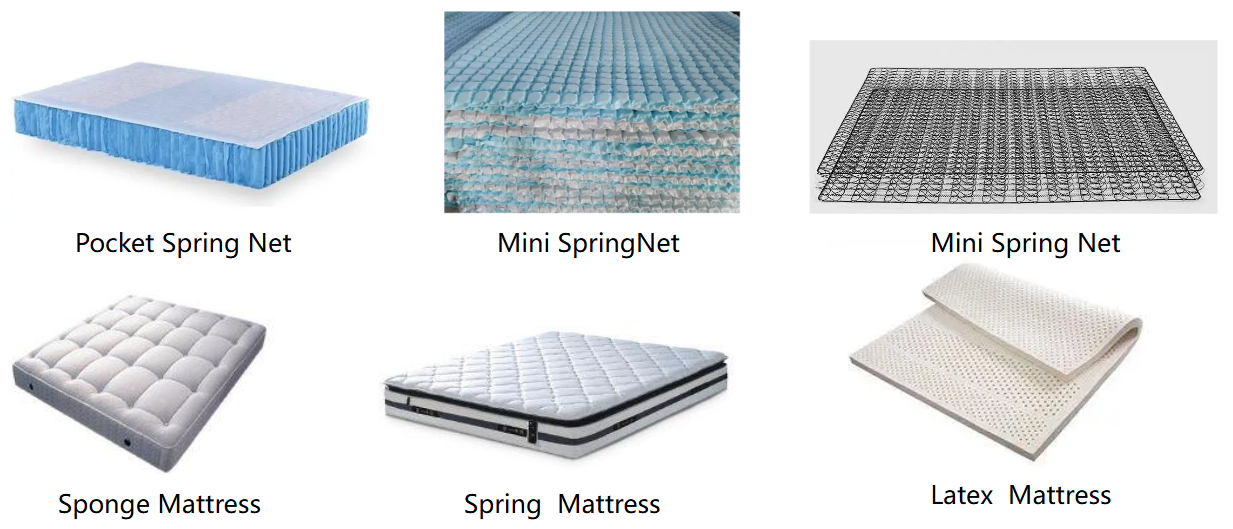
Manual spring production is slow, inconsistent, and physically demanding. Today, more mattress factories are turning to automation to solve these problems.
Automation improves speed, quality, safety, and customization in mattress spring production. It also reduces labor costs and allows factories to respond faster to demand.
With rising competition and labor challenges, machine automation is becoming a key driver of growth in our industry.
What Is Machine Automation in Mattress Spring Production?
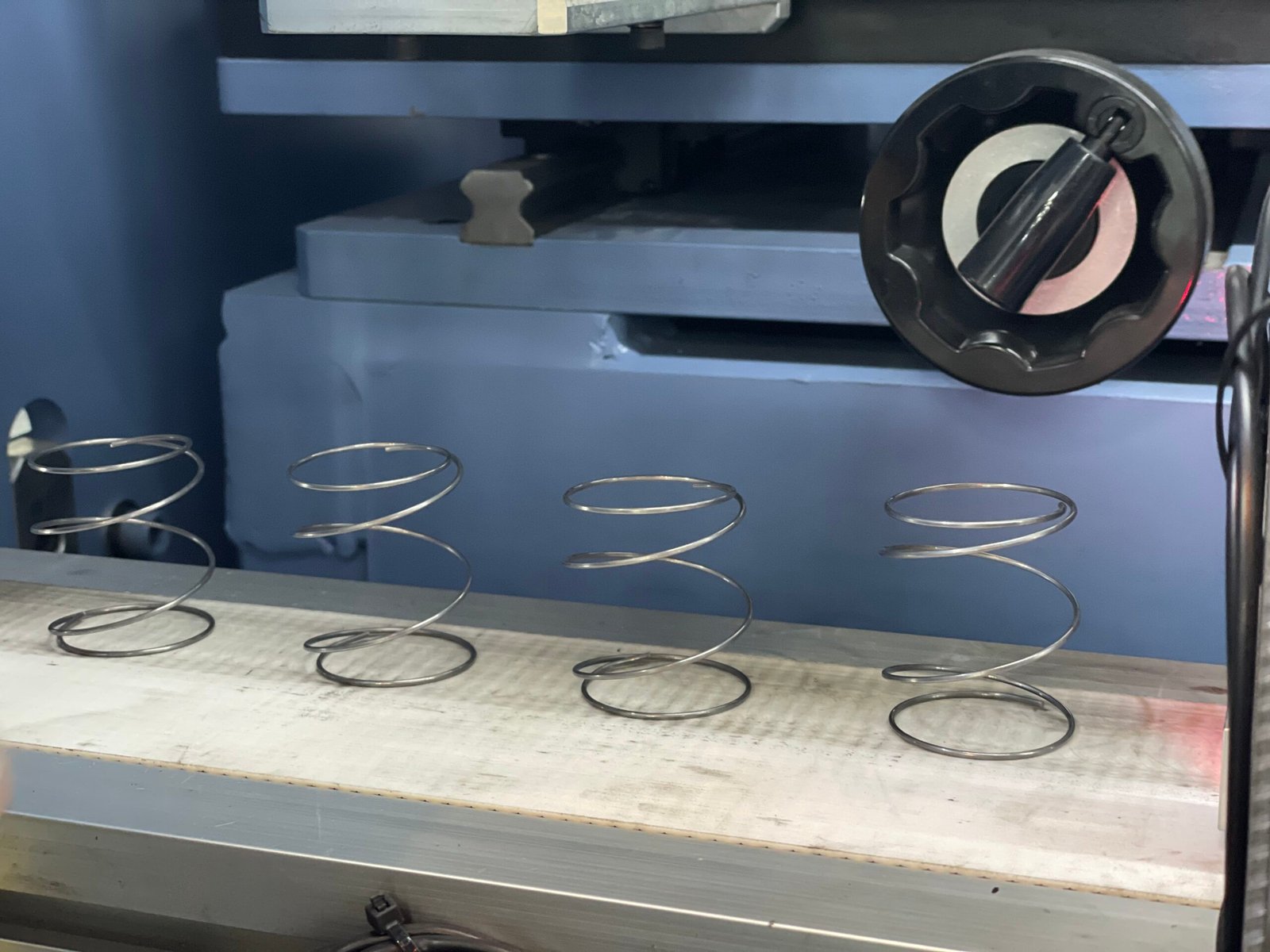
In the past, mattress springs were coiled, cut, and assembled by hand. Now, we use CNC machines, servo motors, robotic arms, and smart control panels to handle those steps.
Common automated machines include:
- Pocket spring coilers
- Double-wire pocket spring machines
- Spring gluing machines
- Spring assembling lines
- Automatic zoning controllers
- Real-time tension monitors
Automation removes most manual steps and ensures high precision and uniform quality.
Key Automation Functions
| Task | Manuell | Automated |
|---|---|---|
| Spring coiling | Hand-fed wire | CNC-controlled feeding |
| Pocket fabric sealing | Manual stitching/glue | Ultrasonic welding |
| Spring unit assembly | By hand with clamps | Automatic gluing & stacking |
| Tension & compression test | Manual check | Sensor + real-time software |
| Speed per operator | 100–150 springs/hour | 120–180 springs/minute |
How Much Faster Is Automated Spring Production?
Automation can increase spring output by 5 to 10 times compared to traditional methods.
Example:
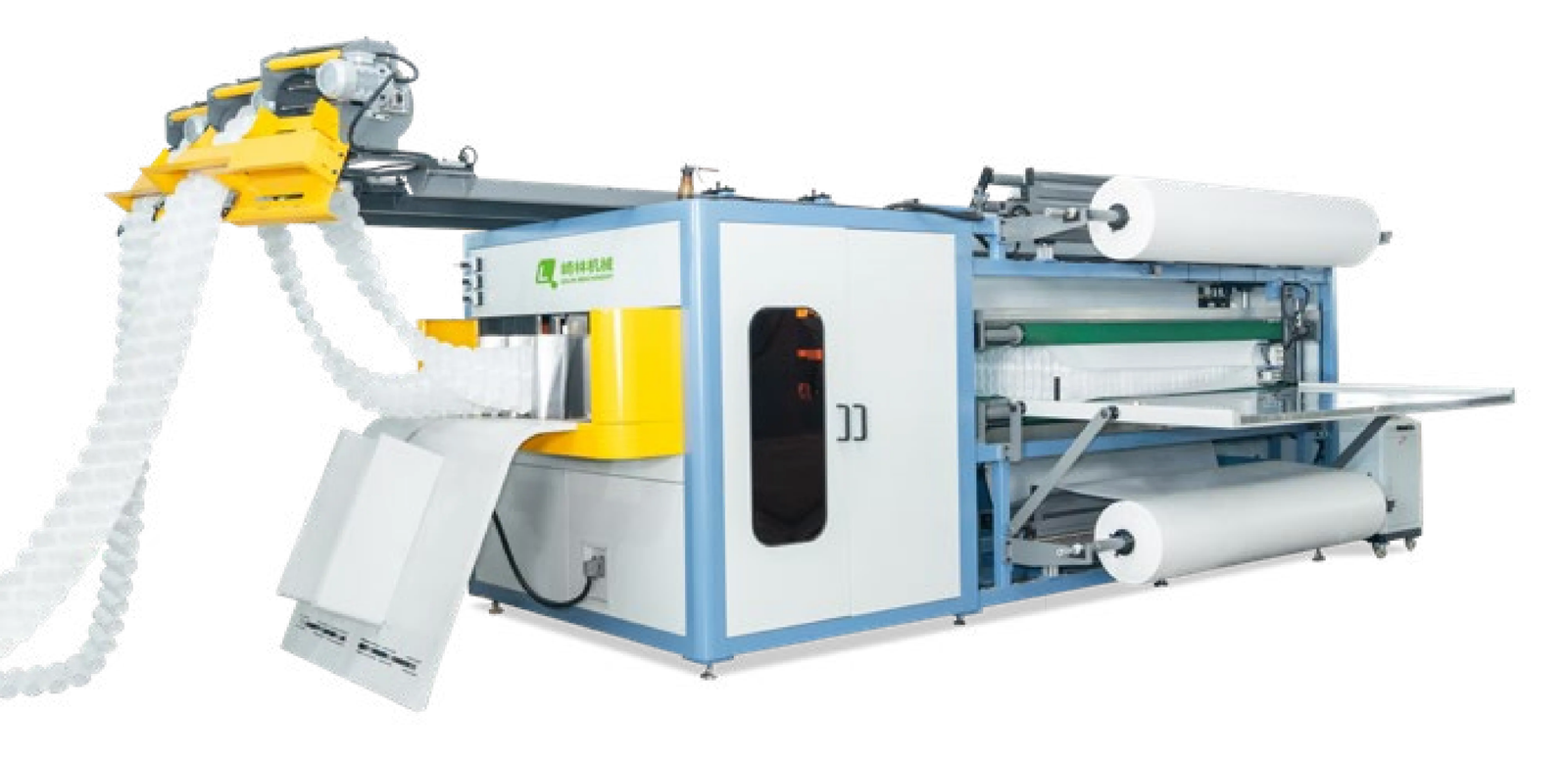
Our QL-80C double-wire pocket spring machine produces up to 130 springs per minute, while a manual team might manage 300–500 per hour.
The entire spring production cycle—from wire feeding to finished unit—can now be completed by cURL Too many subrequests. cURL Too many subrequests.
cURL Too many subrequests.
cURL Too many subrequests.
cURL Too many subrequests.
cURL Too many subrequests.
- cURL Too many subrequests.
- cURL Too many subrequests.
- cURL Too many subrequests.
- cURL Too many subrequests.
cURL Too many subrequests.
cURL Too many subrequests.
cURL Too many subrequests.
cURL Too many subrequests.
| cURL Too many subrequests. | cURL Too many subrequests. | cURL Too many subrequests. |
|---|---|---|
| cURL Too many subrequests. | cURL Too many subrequests. | cURL Too many subrequests. |
| cURL Too many subrequests. | cURL Too many subrequests. | cURL Too many subrequests. |
| Tägliche Produktion | cURL Too many subrequests. | cURL Too many subrequests. |
| Fehlerquote | cURL Too many subrequests. | <0,5% |
| cURL Too many subrequests. | Langsam | cURL Too many subrequests. |
cURL Too many subrequests. cURL Too many subrequests. cURL Too many subrequests.
cURL Too many subrequests.
cURL Too many subrequests.
cURL Too many subrequests.
- cURL Too many subrequests.
cURL Too many subrequests.
- cURL Too many subrequests.
cURL Too many subrequests.
cURL Too many subrequests.
cURL Too many subrequests.
cURL Too many subrequests.
cURL Too many subrequests.
- Hybrid zones with multiple spring types
- Reinforced edge rows for better support
- Side-to-side zoning (left firm, right soft)
- Custom length/width units for specialty mattresses
This lets you take on more diverse orders without slowing down production.
How Does It Improve Safety?
Manual spring production is repetitive and physically hard. Workers bend wires, handle sharp edges, and lift heavy units.
Automation reduces:
- Wire-related hand injuries
- Back strain from assembly lifting
- Heat and chemical exposure during gluing
Workers are now supervisors, not laborers. Machines take the risk while workers stay safe at control stations.
Is Automation Better for the Environment?
Yes—automated machines are more efficient and create less waste.
Eco-friendly features:
- Servo motors that use 30–50% less electricity
- CNC cutters that reduce wire scrap
- Glue-saving programs that optimize spray amounts
- Precise coil design that reduces overproduction
Our automated lines can help mattress factories meet green certifications und ESG goals while cutting energy bills.
What Are the Latest Automation Trends?
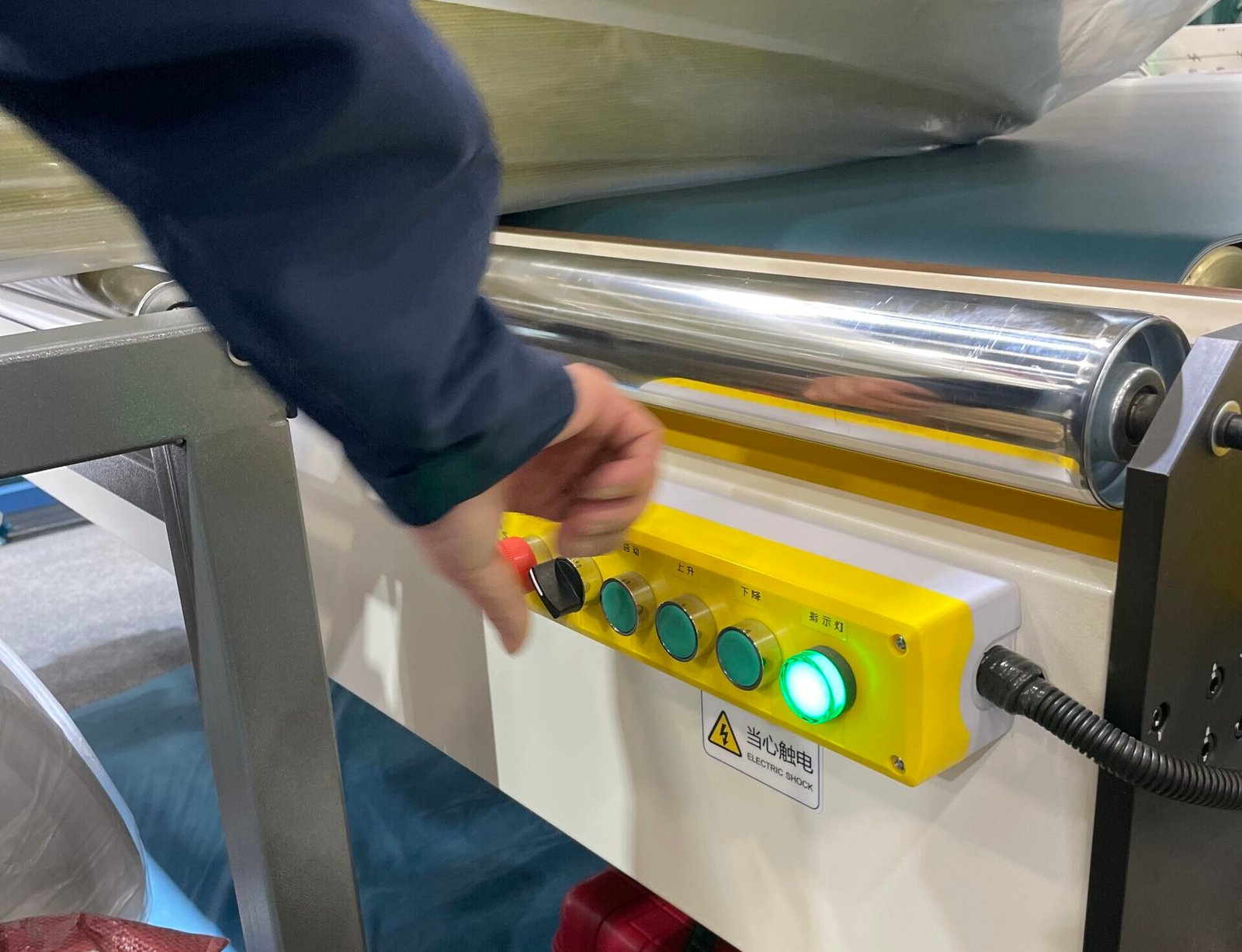
The future is smarter and faster. Here’s what’s coming:
- AI optimization: Automatic spring spec suggestions based on mattress type
- Predictive maintenance: Software alerts for machine wear before breakdowns
- Remote control: View machine status and adjust settings from your phone
- Data logging: Track production stats, quality rates, and defect causes
All these upgrades increase uptime and reduce emergency repair costs.
Fazit
Mattress spring production used to be labor-heavy and slow. Now, with machine automation, factories are producing more, with better quality, faster delivery, and higher profits.
Whether you’re upgrading from a manual line or expanding to meet higher demand, investing in automation is a smart long-term decision.
 German (Austria)
  English
  Vietnamese
  Spanish
  German
  French (France)
  French (Canada)
  Japanese
  Tibetan
  Danish
  Malayalam
  Indonesian
  Frisian
  Greek
Greek  Javanese
  Macedonian
  Galician