Quilting Machines Compared: What Sets Them Apart?
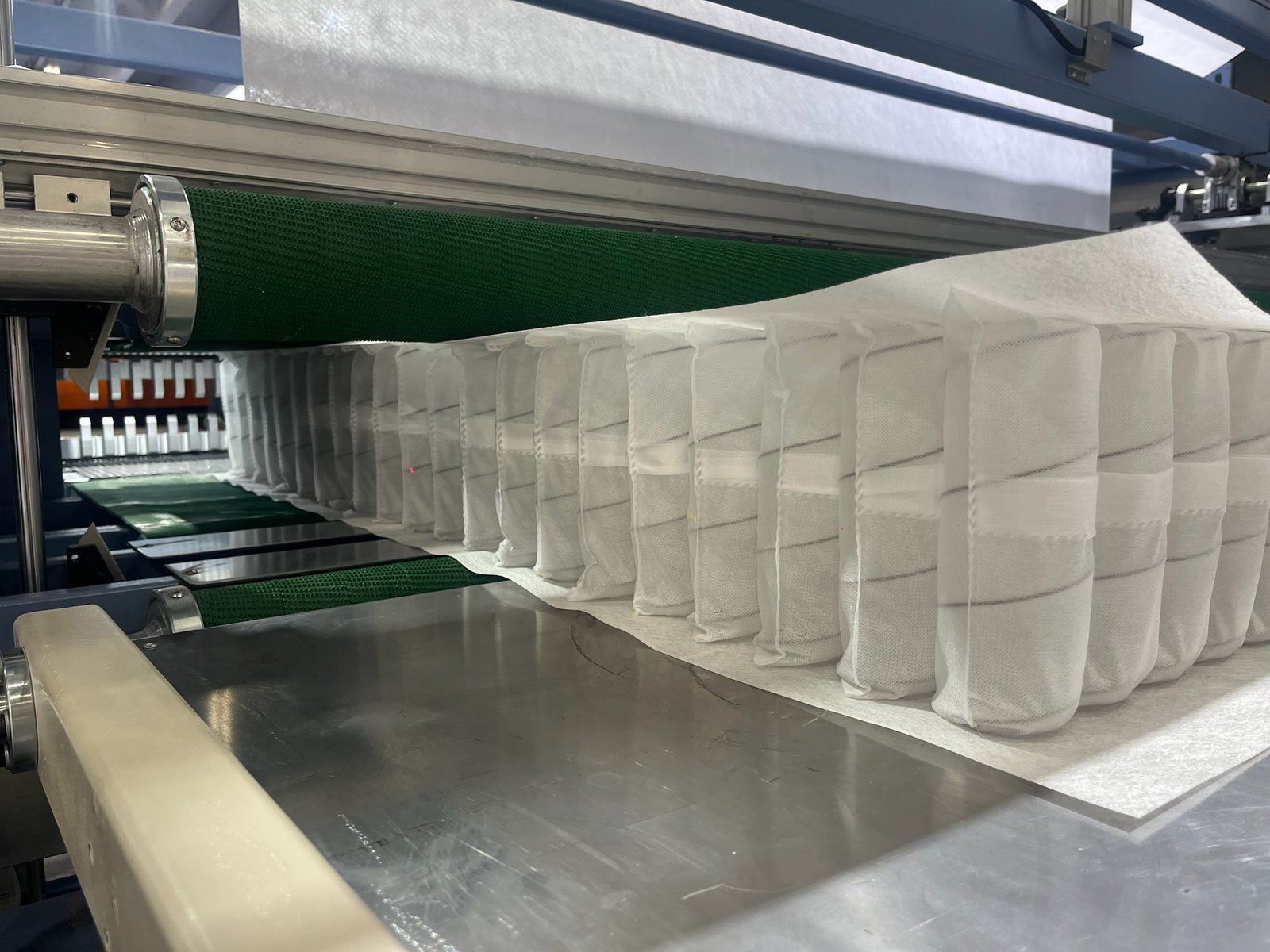
Choosing the wrong quilting machine can ruin a great project and cost you time and money.
Quilting machines differ in size, speed, features, and cost. Understanding those differences helps you pick the right one—whether you’re a beginner or a seasoned quilter.
Don’t be overwhelmed by all the options. By breaking machines down by type, features, and price, this guide helps you compare what truly matters when making a smart investment.
What are quilting machines used for in the mattress and bedding industry?
Quilting machines in the bedding world are all about bringing comfort and durability to life—at scale. In mattress factories and bedding plants, these machines stitch together layers of fabric and padding, securing everything in place for a smooth, attractive, and long-lasting finish.
You’ll find quilting machines creating intricate patterns and sturdy seams for:
- Mattress covers and toppers
- Bedspreads and comforters
- Pillow shams and decorative bedding
Their job is twofold: boost the product’s feel by keeping fibers evenly distributed, and give it an appealing, professional look with quilted designs. Thanks to high-speed, computerized quilting machines from industry leaders like JUKI, SINGER, cURL Too many subrequests. Bernina, bedding makers can swiftly produce not just a single mattress or comforter—but hundreds, all with precision and consistency.
Whether it’s the chainstitch you see on luxury hotel mattresses or the bold geometric patterns on your favorite comforter, quilting machines are the unsung heroes behind those cozy, flawless finishes.
What are the main types of quilting machines?
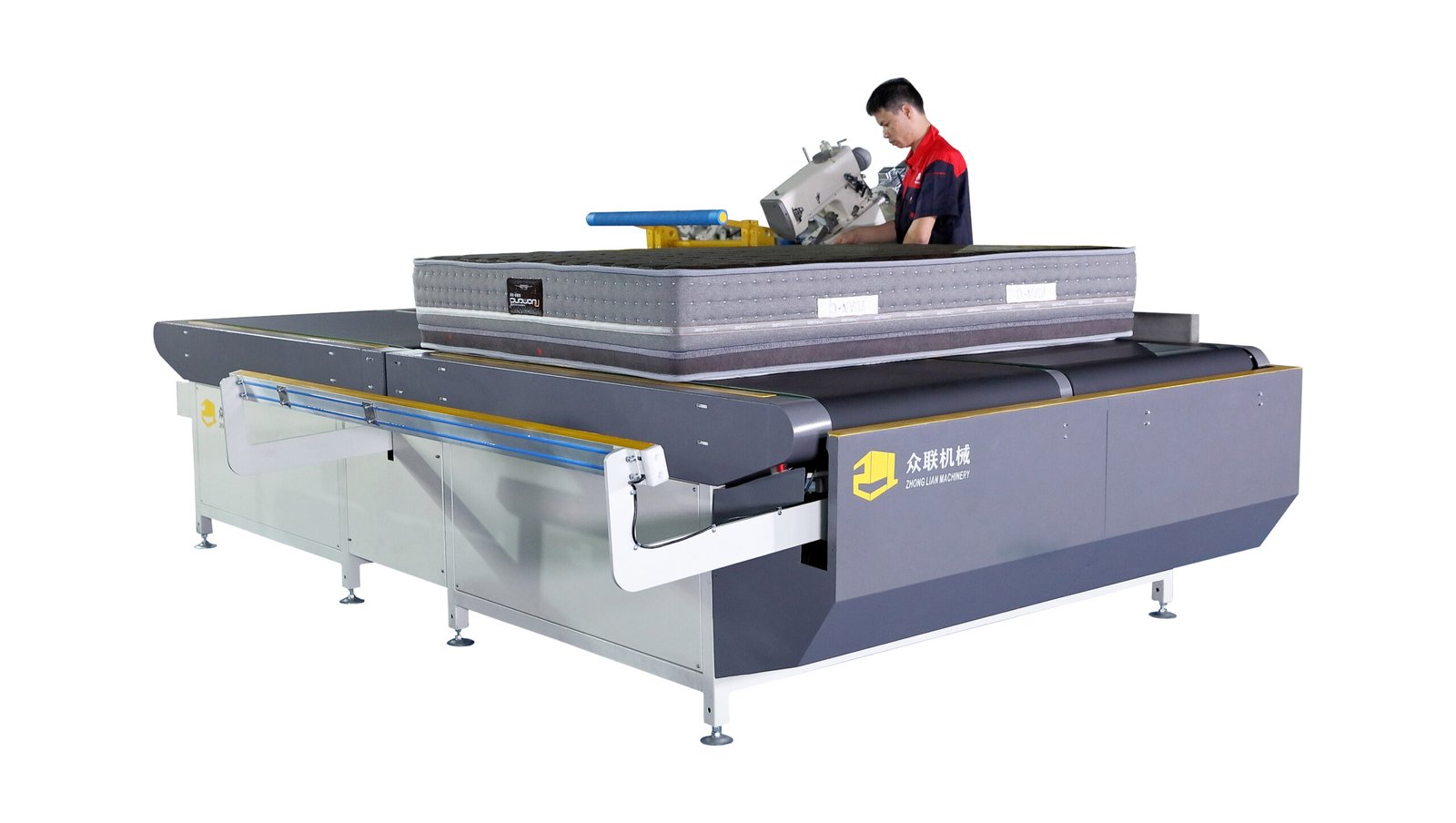
Quilting machines aren’t one-size-fits-all. There are three main types, each made for a different kind of user and project.
There are three main types of quilting machines: long-arm, mid-arm, and domestic sewing machines. Each suits a different quilting need, space, and budget.
Types of Quilting Machines for Mattress Manufacturing
When it comes to quilting machines used in mattress production, the landscape is a bit different from what you’ll find in a home quilting setup. Manufacturers rely on specialized equipment designed to handle large volumes, thick materials, and intricate stitching patterns.
Here are the primary types of quilting machines you’ll find in mattress factories:
- Multi-needle quilting machines: These workhorses use multiple needles to stitch complex patterns quickly across wide panels, making them ideal for producing quilted mattress covers efficiently. Popular among large-scale manufacturers, machines from brands like Brother et Juki are often seen in this category.
- Single-needle quilting machines: Designed for precision, these machines use just one needle to create highly detailed or custom patterns. They’re great for specialized designs or high-end mattresses where artistry and customization are key.
- Chainstitch quilting machines: Favored for their speed and durability, chainstitch models use looping stitches that hold up well under the constant use mattresses endure. They’re particularly common in mass production settings.
- Computerized quilting machines: For those chasing intricate patterns or wanting to switch designs on the fly, computerized models offer programmable options that can handle complex motifs with the touch of a button. Brands such as Bernina or Singer often make these.
Each of these machine types plays a specific role, allowing mattress manufacturers to balance speed, design complexity, and fabric thickness to suit their unique needs.
Long-arm Quilting Machines
These are the largest, most powerful quilting machines. With throat spaces of 18–26 inches and large frames, they are ideal for:
- cURL Too many subrequests.
- cURL Too many subrequests.
- cURL Too many subrequests.
cURL Too many subrequests.
cURL Too many subrequests.
cURL Too many subrequests.
- cURL Too many subrequests.
- cURL Too many subrequests.
- cURL Too many subrequests.
cURL Too many subrequests.
cURL Too many subrequests.
cURL Too many subrequests.
- cURL Too many subrequests.
- cURL Too many subrequests.
- cURL Too many subrequests.
cURL Too many subrequests.
cURL Too many subrequests.
cURL Too many subrequests.
cURL Too many subrequests.
- cURL Too many subrequests.
- cURL Too many subrequests.
- cURL Too many subrequests.
cURL Too many subrequests.
cURL Too many subrequests.
cURL Too many subrequests.
cURL Too many subrequests.
cURL Too many subrequests.Bernina, Brother, Singer, cURL Too many subrequests.
cURL Too many subrequests.
cURL Too many subrequests.
cURL Too many subrequests.
cURL Too many subrequests.
| Type de machine | cURL Too many subrequests. | Meilleur pour |
|---|---|---|
| cURL Too many subrequests. | cURL Too many subrequests. | cURL Too many subrequests. |
| cURL Too many subrequests. | cURL Too many subrequests. | cURL Too many subrequests. |
| cURL Too many subrequests. | cURL Too many subrequests. | cURL Too many subrequests. |
If you’re quilting queen or king-size blankets, go for mid or long-arm models. For smaller or starter projects, a domestic machine will work just fine.
How fast do quilting machines sew?
Speed matters when you’re under pressure—or running a business.
Quilting machines vary in stitching speed. Long-arm models can reach 3,000 SPM (stitches per minute), while domestic ones average around 1,000 SPM.
| Type de machine | Average Stitch Speed |
|---|---|
| cURL Too many subrequests. | 1,500 – 3,000 stitches/min |
| cURL Too many subrequests. | 1,200 – 2,000 stitches/min |
| cURL Too many subrequests. | 600 – 1,500 stitches/min |
Higher speeds mean quicker results but demand more control. Beginners may prefer slower machines with adjustable speed settings.
Why does frame size and adjustability matter?
Frames affect how comfortable and precise your quilting is—especially for bigger projects.
Larger, adjustable frames allow you to quilt big projects without constant repositioning. Long-arm machines typically include full-sized frames.
| Type de machine | Frame Included? | Frame Size |
|---|---|---|
| cURL Too many subrequests. | Yes | Up to king-size quilts |
| cURL Too many subrequests. | Sometimes | Mid-size or add-on |
| cURL Too many subrequests. | No | Use extension tables |
If space is limited, consider foldable or modular frame options. If you don’t have room, domestic machines with extension tables are a great compromise.
Are some quilting machines easier to use?
Yes—and it matters, especially if you’re just starting out.
Domestic machines are often the easiest to use, followed by mid-arms. Long-arm machines have a learning curve but offer more control and speed once mastered.
Features that improve ease of use:
- Touchscreens with preset quilting designs
- Automatic needle threaders
- Speed control sliders
- Start/stop button (no foot pedal needed)
What features help prevent fabric bunching or puckering when quilting multiple layers?
To keep your fabric layers smooth and evenly fed, look for machines with dual feed or walking foot systems. These features grip both the top and bottom layers, helping the fabric glide without shifting or bunching—especially important when working with bulky quilts or slippery fabrics.
Other helpful options include:
- Adjustable presser foot pressure to fine-tune how firmly the layers are held
- Precision feed dogs that maintain consistent movement under varying thicknesses
- Specialized quilting feet cURL Too many subrequests.
cURL Too many subrequests.
cURL Too many subrequests.
cURL Too many subrequests.
cURL Too many subrequests.
cURL Too many subrequests.
cURL Too many subrequests.
- cURL Too many subrequests.
- cURL Too many subrequests.
- cURL Too many subrequests.
- cURL Too many subrequests.
cURL Too many subrequests.
cURL Too many subrequests.
cURL Too many subrequests.
cURL Too many subrequests.
cURL Too many subrequests.
cURL Too many subrequests.
- cURL Too many subrequests. cURL Too many subrequests.
- cURL Too many subrequests. cURL Too many subrequests.
- cURL Too many subrequests. cURL Too many subrequests. cURL Too many subrequests. or cURL Too many subrequests. cURL Too many subrequests.
- cURL Too many subrequests. cURL Too many subrequests.
- cURL Too many subrequests. cURL Too many subrequests.
cURL Too many subrequests.
cURL Too many subrequests.
cURL Too many subrequests.
cURL Too many subrequests.
- cURL Too many subrequests. cURL Too many subrequests. Juki et Brother cURL Too many subrequests.
- cURL Too many subrequests. cURL Too many subrequests.
- cURL Too many subrequests. cURL Too many subrequests.
- cURL Too many subrequests. Need to quilt thick, multi-layer mattress toppers fast? Many machines feature multiple needles for greater efficiency.
- Heavy-duty construction: Industrial machines use reinforced frames and extra-strong motors to handle thick fabrics, foam, and batting without breaking a sweat.
- Wide quilting area: Expanded throat space and large work platforms accommodate full mattress panels and intricate patterns.
- Integrated thread trimmers and automatic tension adjustment: Say goodbye to manual threading issues and messy snips—these features keep your workflow smooth and your stitches neat.
With these innovations, modern mattress quilting machines can tackle everything from classic diamond patterns to elaborate custom motifs, all while improving speed, consistency, and ease of use.
Are more expensive machines always better?
Not always. It depends on your use case.
Price ranges vary widely. Domestic machines start around $200, while high-end long-arms can exceed $20,000. Choose based on your budget and quilting goals.
| Type de machine | Price Range |
|---|---|
| cURL Too many subrequests. | $200 – $1,500 |
| cURL Too many subrequests. | $1,000 – $5,000 |
| cURL Too many subrequests. | $5,000 – $25,000+ |
A good rule: spend what you can afford—but don’t overpay for features you won’t use. For many home quilters, a solid mid-arm machine around $2,000–$3,000 offers excellent value.
Absolutely—they’re a solid option for budget-conscious quilters or anyone looking to test out a long-arm without the full sticker shock.
Many dealers, both local and online, accept trade-ins and refurbish pre-owned machines for resale. These rebuilt models often come with warranties and have been thoroughly serviced, offering a cost-effective way to access higher-end features. You’ll spot respected brands like Bernina, Juki, Handi Quilter, cURL Too many subrequests. APQS in the pre-owned market.
Benefits of going pre-owned:
- Lower price tag for quality machines
- Opportunity to upgrade without paying full retail
- Typically inspected, serviced, and cleaned before resale
- Sometimes include support or a short warranty from the dealer
Things to check before you buy:
- Dealer’s reputation (look for reviews!)
- Machine’s service history and age
- Availability of replacement parts and accessories
Buying pre-owned is a smart move, especially if you want more machine for your money or are just starting to dabble in larger projects. Take the time to compare options, and don’t hesitate to ask for a demo if you shop in person.
How important is maintenance and support?
It’s crucial. Even the best machine won’t run forever without care.
Choose a machine with a reliable warranty, good technical support, and easy access to parts and servicing.
Ask questions like:
- Is there a local repair shop that handles this brand?
- Are replacement parts easy to find?
- Does the company offer phone or video support?
Routine care—cleaning, oiling, changing needles—will go a long way. But when issues happen, support can make or break your quilting flow.
Do brands matter?
cURL Too many subrequests.
cURL Too many subrequests.
cURL Too many subrequests.
- cURL Too many subrequests.
- cURL Too many subrequests.
- cURL Too many subrequests.
- cURL Too many subrequests.
cURL Too many subrequests.
Conclusion
cURL Too many subrequests.
Contactez-nous pour des solutions sur mesure ! Nous avons hâte de collaborer avec vous et de façonner un avenir plus brillant ensemble !
📞 | WhatsApp : +86 15220512074
📧 E-mail : zhongliantec@gmail.com
Web | Lien : mattressmachineryzl.com
 French (France)
  English
  Vietnamese
  Spanish
  German
  French (Canada)
  Japanese
  German (Austria)
  Tibetan
  Danish
  Malayalam
  Indonesian
  Frisian
  Greek
Greek  Javanese
  Macedonian
  Galician