How is the Environmental Protection of Mattress Machinery?
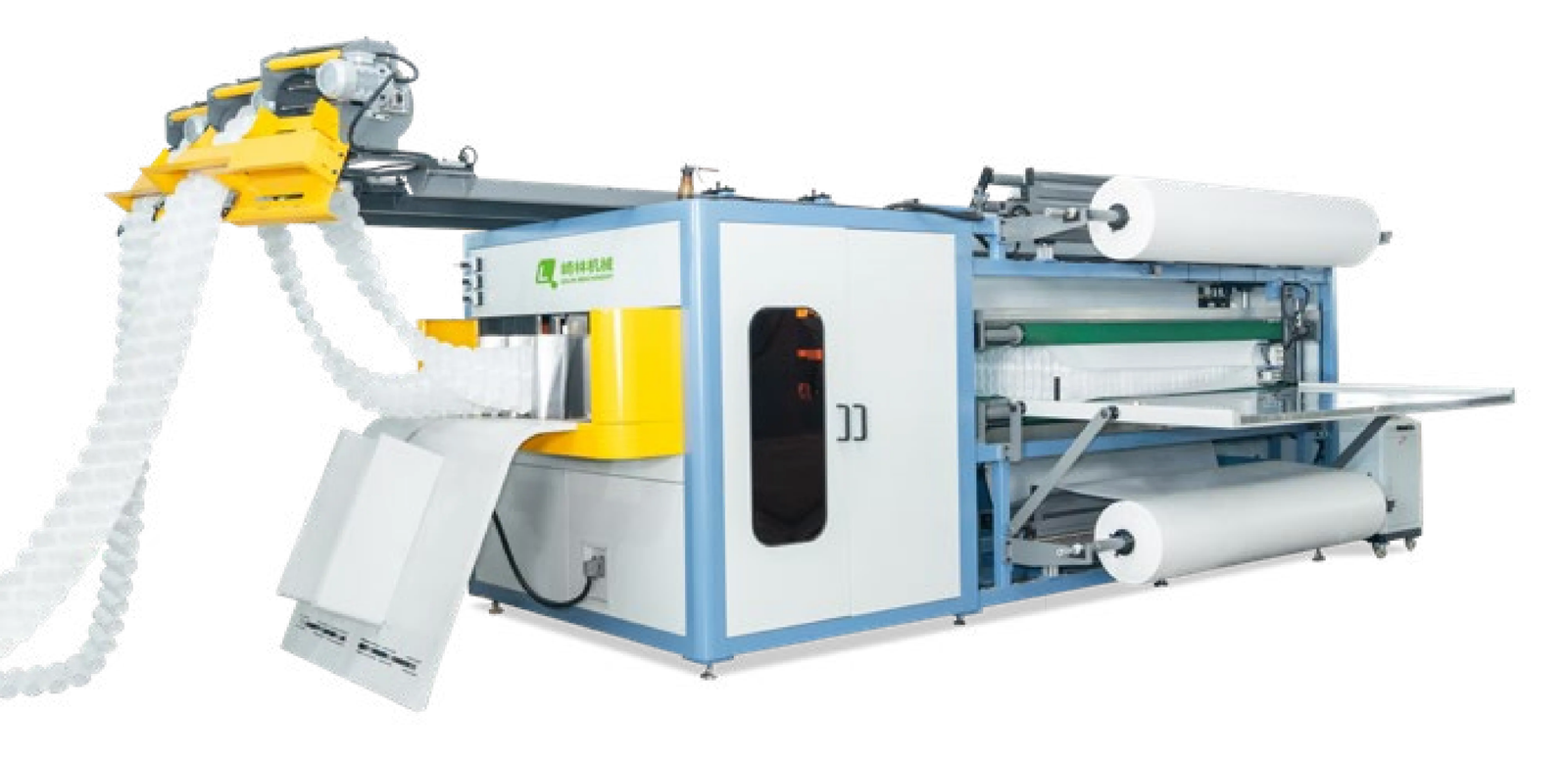
Factories today are under pressure—not just to deliver quality, but to reduce their environmental impact. Many are struggling to balance performance with sustainability.
Environmental protection in mattress machinery focuses on reducing energy use, managing waste, and using eco-friendly materials—while still delivering high-performance output.
This shift isn’t optional. It’s already reshaping how manufacturers like us design, produce, and package every piece of machinery we build.
Why is energy efficiency so important in mattress machinery?
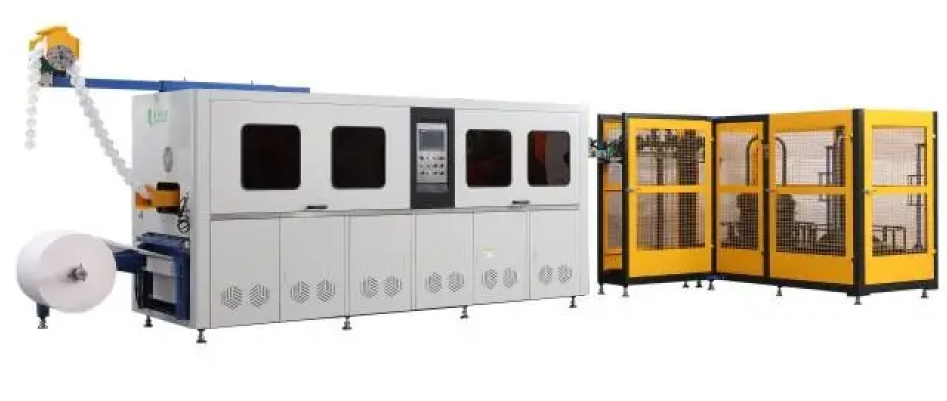
High power bills and rising carbon regulations are squeezing factories across Southeast Asia and Europe. Traditional machines waste energy—modern ones don’t.
Our latest mattress machinery models use less power per unit while producing faster, cleaner, and more efficiently.
How we boost energy efficiency:
| Fonctionnalité | Avantage |
|---|---|
| cURL Too many subrequests. | Lower power draw during operation |
| Smart standby modes | Machines auto-sleep during downtime |
| Optimized airflow design | Reduces cooling needs and power loss |
Take our DF-X03 automatic compression machine—it uses just 22KW total power yet packs a mattress in 30 seconds. That’s 40% more efficient than older models.
What materials are used in an eco-friendly mattress machine?
Customers ask us: “Are your machines recyclable?” We say yes—and more.
We design our frames with recycled steel, use long-life parts to reduce replacements, and support biodegradable packaging materials.
Not just the machine itself, but the materials it works with matter. More and more clients are now using:
- Recycled PE film for wrapping
- FSC-certified paper roll options
- Water-based glue systems (low VOC)
We’ve even modified machines to work with these greener inputs—because sustainability shouldn’t mean compromise.
How does our machinery reduce production waste?
Waste means cost. And it’s not just product waste—it’s energy, time, and material waste.
We design machinery that minimizes offcuts, reduces glue usage, and offers smarter material feed systems.
Practical waste-reduction examples:
- Spring bagging machines that auto-stop when fabric runs out—no empty bags.
- Auto-glue machines that spray only where needed—no drips, no mess.
- DF-J01 roll-pack machine that compresses down to 29cm—cutting 60% on logistics space.
All of this adds up. One European customer reported 18% less packaging waste after switching to our DF-F09 kraft paper solution.
What emission controls are built into the machines?
Clean air isn’t just a buzzword—it’s a regulation in many of our key markets.
From dust filters to glue fume extraction, we’ve built emission control into every stage of our machines.
Par exemple :
- Hot melt gluing stations: include HEPA-grade smoke filters
- Fabric cutting sections: use enclosed designs to reduce micro-dust
- Compressor systems: are fully sealed to prevent oil leaks or vapor emissions
cURL Too many subrequests.
cURL Too many subrequests.
cURL Too many subrequests.
cURL Too many subrequests.
cURL Too many subrequests.
cURL Too many subrequests.
cURL Too many subrequests.
cURL Too many subrequests.
cURL Too many subrequests.
- cURL Too many subrequests.
- cURL Too many subrequests.
- cURL Too many subrequests.
- cURL Too many subrequests.
cURL Too many subrequests.
cURL Too many subrequests.
cURL Too many subrequests.
cURL Too many subrequests.
cURL Too many subrequests.
cURL Too many subrequests.
cURL Too many subrequests.
cURL Too many subrequests.
cURL Too many subrequests.
cURL Too many subrequests.
cURL Too many subrequests.
cURL Too many subrequests.
cURL Too many subrequests.
cURL Too many subrequests.
Exemples :
- cURL Too many subrequests.
- cURL Too many subrequests.
- cURL Too many subrequests.
cURL Too many subrequests.
Conclusion
cURL Too many subrequests.
 French (France)
  English
  Vietnamese
  Spanish
  German
  French (Canada)
  Japanese
  German (Austria)
  Tibetan
  Danish
  Malayalam
  Indonesian
  Frisian
  Greek
Greek  Javanese
  Macedonian
  Galician