Technical Differences Between Straight-Line Tape Edging and Automatic Corner Tape Edging
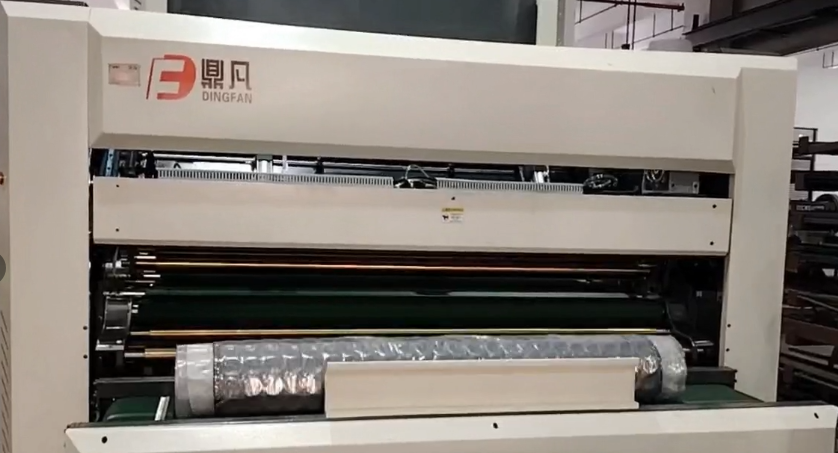
In mattress manufacturing, tape edging is far more than a decorative sewing step.
It is a structural process that locks layers together, defines edge durability, and strongly influences how customers perceive overall quality.
As factories move toward higher automation and more consistent quality standards, two tape edging approaches are most commonly discussed: straight-line tape edging et automatic corner tape edging.
Many manufacturers understand the surface-level difference between the two, but far fewer clearly understand the technical and structural distinctions that determine productivity, quality stability, labor dependency, and long-term scalability.
This article explains the technical differences between straight-line tape edging and automatic corner tape edging, starting from mechanical structure and extending to production logic and operational value.
For reference to relevant tape edge equipment and integrated solutions, you may consult the internal company page:
https://mattressmachineryzl.com/
Why Tape Edge Technology Choice Matters More Than Ever
Historically, tape edging technology was selected based on initial cost and operator familiarity.
As long as the mattress could be sewn, the process was considered acceptable.
Today, the situation is very different.
Manufacturers face:
(1) Rising labor costs
(2) Increasing quality consistency requirements
(3) Higher production volumes
(4) Reduced tolerance for rework and returns
Under these conditions, the tape edging method becomes a structural decision rather than a simple equipment choice.
Straight-line tape edging and automatic corner tape edging differ fundamentally in how they handle movement, control stitching, and manage human involvement.
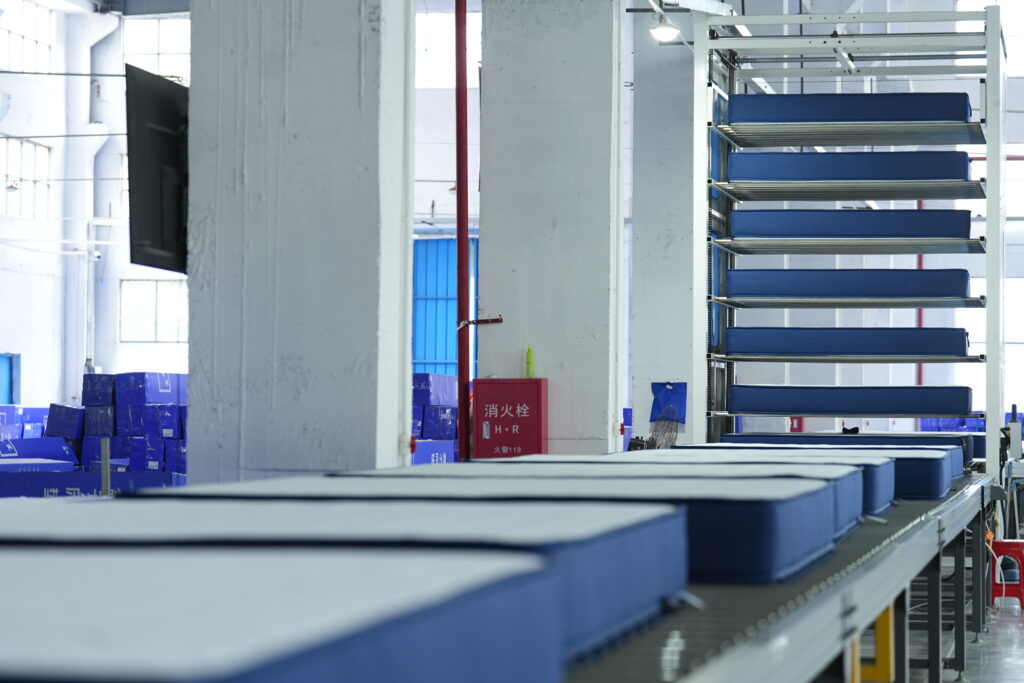
What Is Straight-Line Tape Edging in Practice
Straight-line tape edging is based on a simple principle:
the sewing head moves in a straight path while the mattress is manually repositioned at corners.
In this approach:
(1) Sewing motion is linear
(2) Mattress rotation is manual or semi-assisted
(3) Corner transitions depend on operator timing
(4) Stitch consistency relies heavily on experience
Straight-line systems are often paired with semi-automatic tape edge machines and are widely used in factories with lower automation levels.
While mechanically simple, this approach places a high burden on operators.
What Defines Automatic Corner Tape Edging
Automatic corner tape edging represents a different technical philosophy.
Instead of stopping and manually repositioning the mattress at each corner, the system controls the corner transition mechanically and logically.
In automatic corner tape edging:
(1) Sewing head movement adapts to the corner path
cURL Too many subrequests.
cURL Too many subrequests.
cURL Too many subrequests.
cURL Too many subrequests.
cURL Too many subrequests.
cURL Too many subrequests.
cURL Too many subrequests.
cURL Too many subrequests.
cURL Too many subrequests.
cURL Too many subrequests.
cURL Too many subrequests.
cURL Too many subrequests.
cURL Too many subrequests.
cURL Too many subrequests.
cURL Too many subrequests.
cURL Too many subrequests.
cURL Too many subrequests.
cURL Too many subrequests.
cURL Too many subrequests.
cURL Too many subrequests.
cURL Too many subrequests.
cURL Too many subrequests.
cURL Too many subrequests.
cURL Too many subrequests.
cURL Too many subrequests.
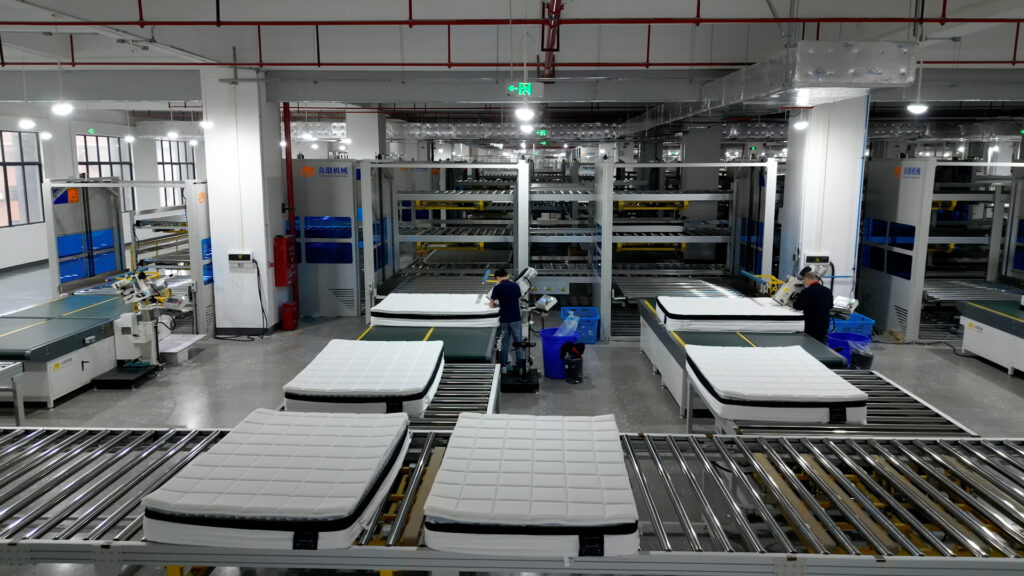
In automatic corner tape edging:
cURL Too many subrequests.
cURL Too many subrequests.
cURL Too many subrequests.
cURL Too many subrequests.
cURL Too many subrequests.
cURL Too many subrequests.
cURL Too many subrequests.
cURL Too many subrequests.
cURL Too many subrequests.
cURL Too many subrequests.
cURL Too many subrequests.
cURL Too many subrequests.
cURL Too many subrequests.
cURL Too many subrequests.
cURL Too many subrequests.
cURL Too many subrequests.
cURL Too many subrequests.
(3) Smooth acceleration and deceleration
This ensures uniform stitch spacing across straight edges and corners.
Labor Dependency and Skill Requirements
Labor dependency is one of the most visible differences between the two approaches.
Straight-line tape edging:
(1) Requires skilled operators
(2) Has long training cycles
(3) Is sensitive to fatigue and turnover
Automatic corner tape edging:
(1) Reduces skill dependency
(2) Shortens training time
(3) Shifts labor toward supervision rather than execution
This difference becomes critical in regions where skilled sewing labor is scarce.
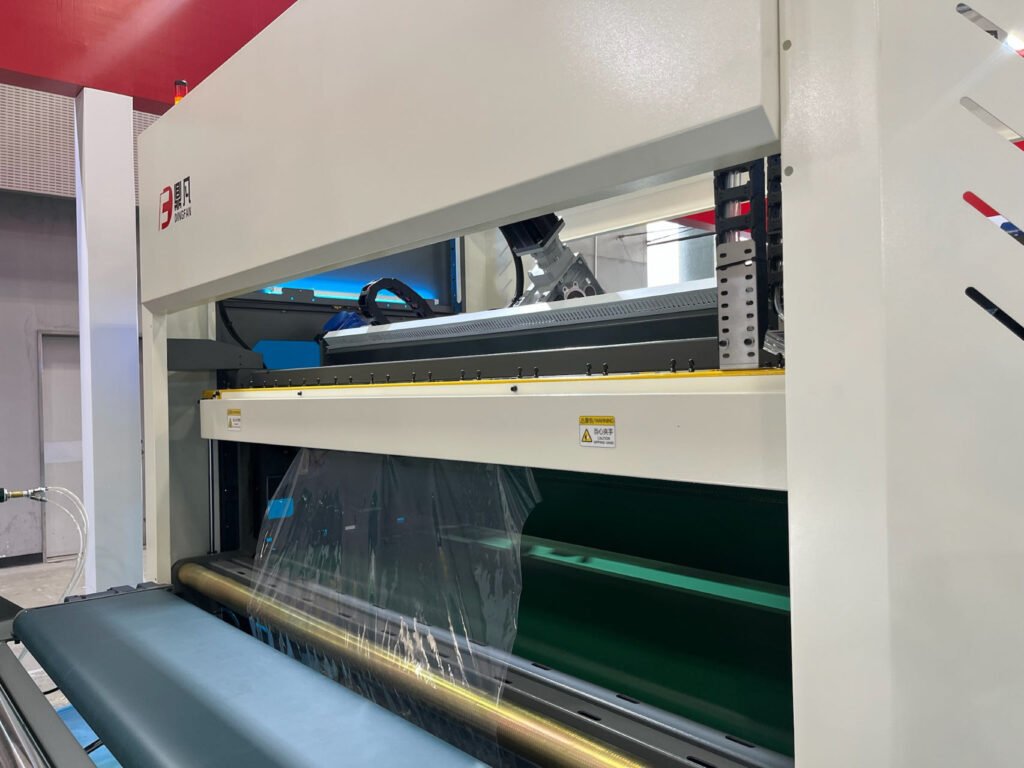
Productivity and Rhythm Stability
Straight-line systems often appear fast in short runs.
However, their rhythm depends on human coordination.
Frequent stops at corners and manual repositioning lead to:
(1) Irregular cycle times
(2) Bottlenecks during peak production
(3) Difficulty in line balancing
Automatic corner systems maintain:
(1) Continuous motion
(2) Predictable cycle times
(3) Easier integration into automated lines
This stability increases effective output, not just nominal speed.
Quality Risk and Long-Term Consistency
Quality risk accumulates over time.
In straight-line tape edging:
(1) Minor inconsistencies compound
(2) Operator fatigue increases defect rates
(3) Long-term consistency is difficult to maintain
Automatic corner tape edging minimizes these risks by:
(1) Eliminating manual corner handling
(2) Standardizing stitch paths
(3) Reducing reliance on individual technique
This is particularly important for mid- to high-end mattress brands.
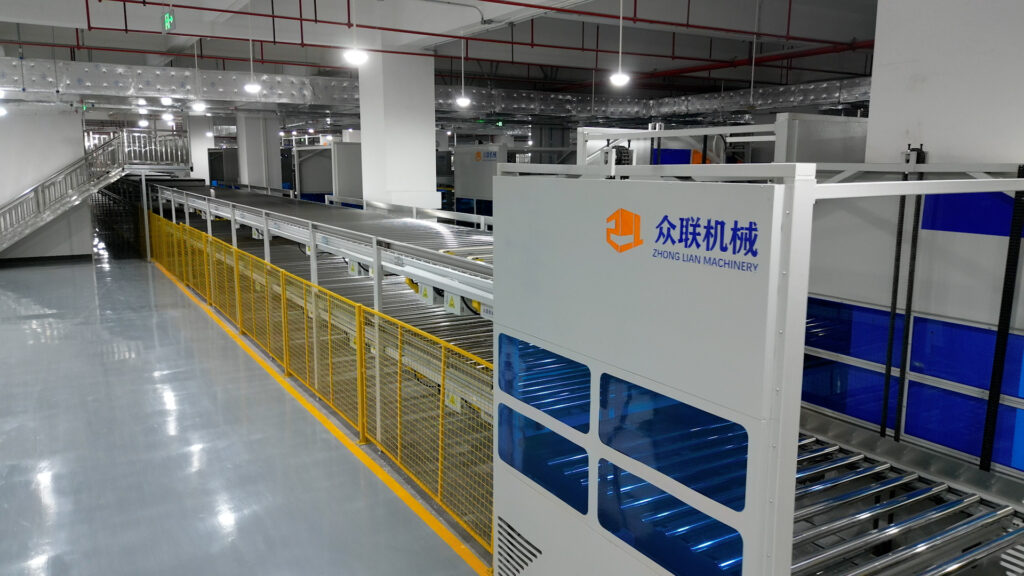
Intégration avec les lignes de production automatisées
Straight-line tape edging machines are usually standalone stations.
Automatic corner tape edging systems are designed for integration with:
cURL Too many subrequests.
cURL Too many subrequests.
cURL Too many subrequests.
cURL Too many subrequests.
cURL Too many subrequests.
https://mattressmachineryzl.com/
cURL Too many subrequests.
cURL Too many subrequests.
cURL Too many subrequests.
cURL Too many subrequests.
cURL Too many subrequests.
cURL Too many subrequests.
Dépendance à la main-d'œuvre | Élevée | Significativement réduite
Exigence de formation | Longue | Courte
cURL Too many subrequests.
cURL Too many subrequests.
cURL Too many subrequests.
cURL Too many subrequests.
cURL Too many subrequests.
cURL Too many subrequests.
cURL Too many subrequests.
cURL Too many subrequests.
cURL Too many subrequests.
cURL Too many subrequests.
cURL Too many subrequests.
cURL Too many subrequests.
cURL Too many subrequests.
cURL Too many subrequests.
cURL Too many subrequests.
cURL Too many subrequests.
cURL Too many subrequests.
cURL Too many subrequests.
cURL Too many subrequests.
cURL Too many subrequests.
 French (France)
  English
  Vietnamese
  Spanish
  German
  French (Canada)
  Japanese
  German (Austria)
  Tibetan
  Danish
  Malayalam
  Indonesian
  Frisian
  Greek
Greek  Javanese
  Macedonian
  Galician