← Réduction du bruit dans les machines à matelas : Solutions pour un atelier plus silencieux ?
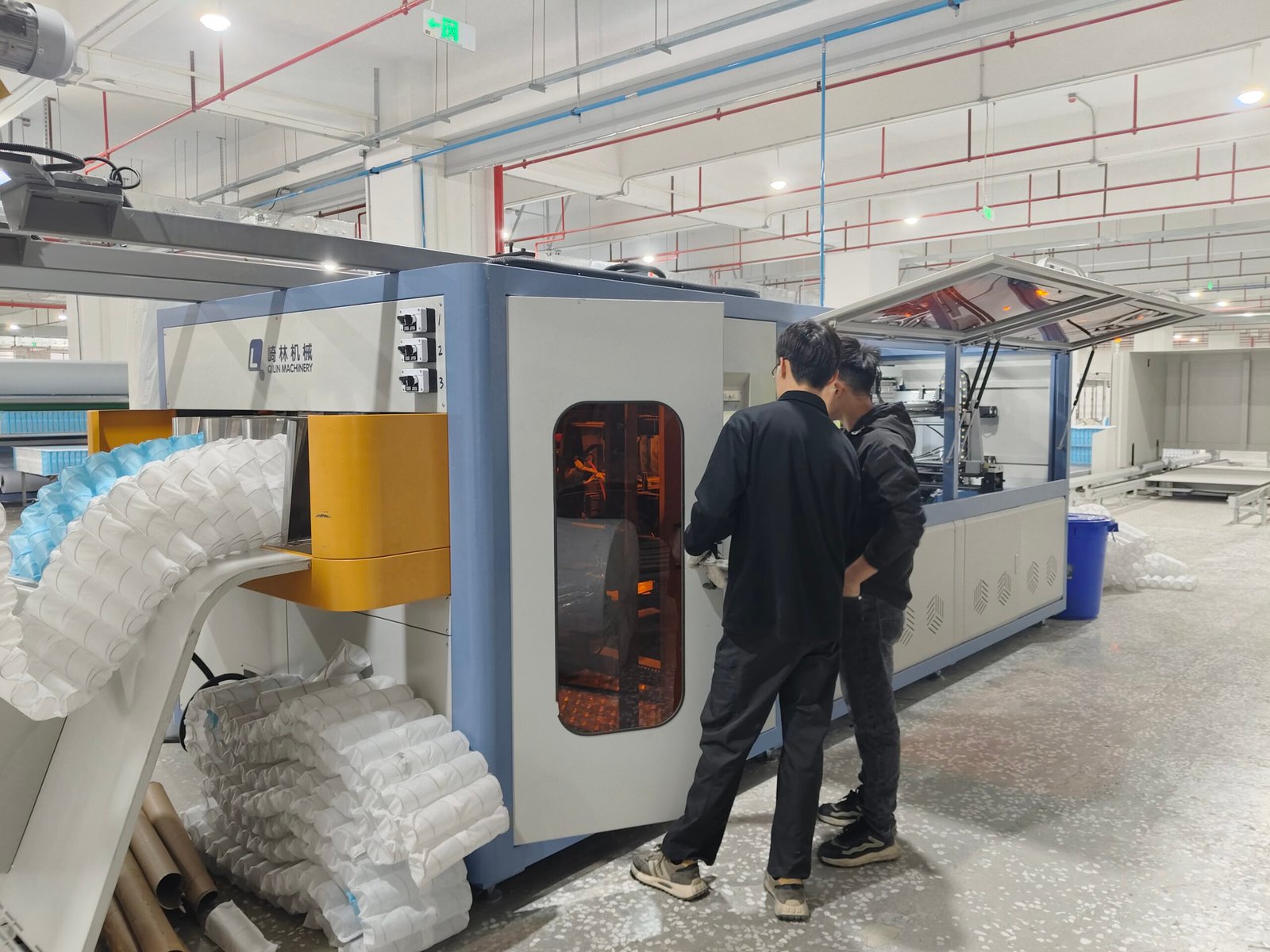
Loud, constant machine noise can lead to more than just headaches—it affects worker health, safety, and production quality.
Reducing noise in mattress machinery creates a safer, more productive workshop by lowering exposure to harmful sound levels, improving focus, and extending equipment lifespan.
In this article, I’ll walk you through the sources of factory noise, how to measure and address them, and practical steps like soundproofing, machine upgrades, and better layout design that can turn your factory into a quieter, more efficient place.
What are the main sources of noise in mattress workshops?

When machines are running at full speed, the noise often becomes background—but it can seriously impact health over time.
Common noise sources include cutting saws, pneumatic tools, vibrational motors, and material movement—especially in automated lines.
These include:
- High-speed quilting machines
- Rotary foam cutters
- Pneumatic staplers and glue guns
- Assembly conveyors and spring presses
Impact on Workers
| Exposure Level | Potential Effect |
|---|---|
| 85+ dB (8 hrs/day) | Risk of hearing loss |
| 95+ dB (frequent peaks) | Stress, fatigue, reduced focus |
| Constant loud noise | Communication difficulty, high turnover |
Our team has seen a direct link between noise and staff fatigue—especially on long shifts.
How do we measure noise levels in the workshop?
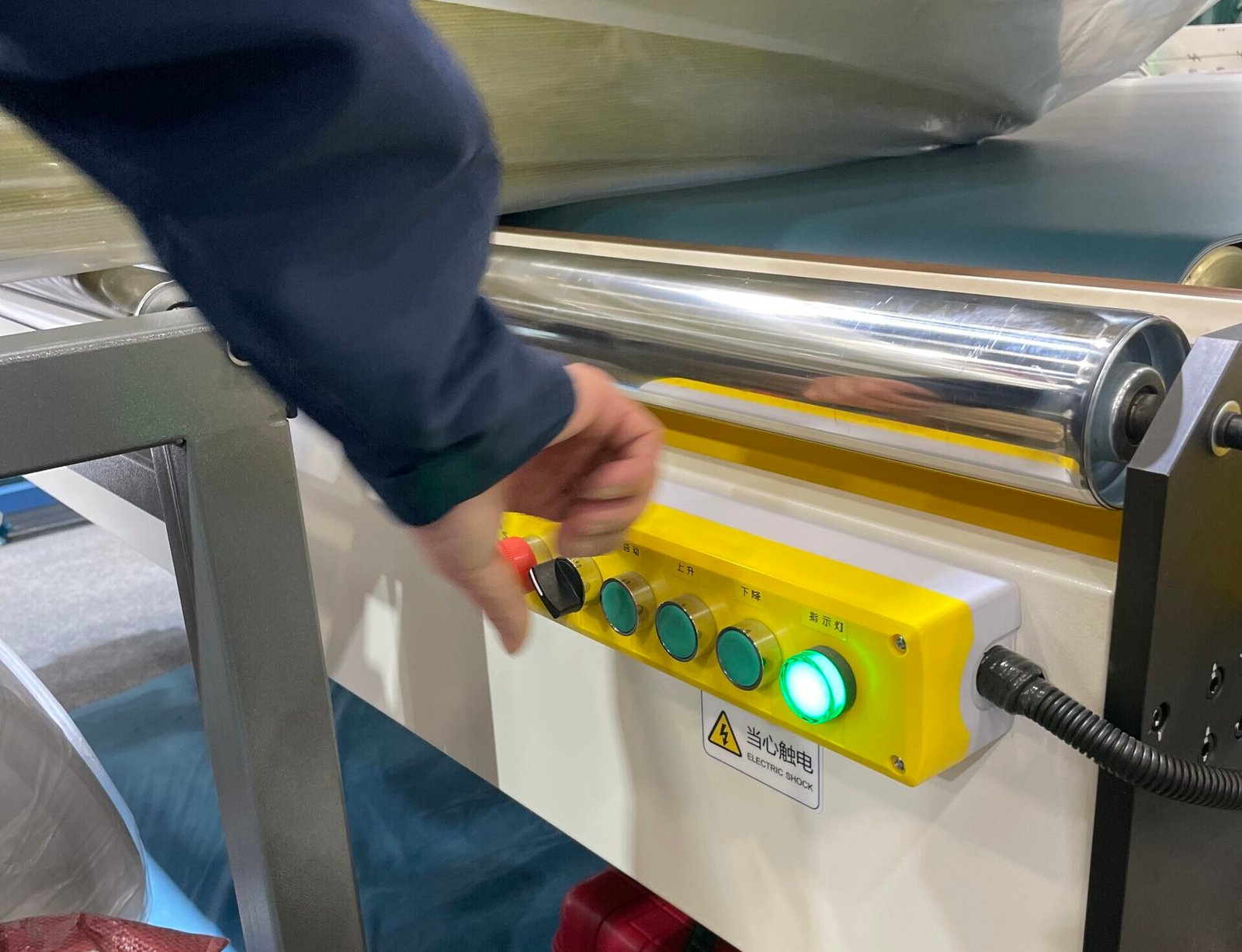
You can’t fix what you don’t measure—so the first step is a detailed noise audit.
Use decibel meters and noise mapping tools to identify the loudest areas and times of day—then use that data to prioritize changes.
Tools to Use
- Decibel meter: Spot-check machines during operation
- Noise mapping app/software: Visualize zones of high exposure
- Worker feedback: Ask where and when noise feels worst
Example: One client discovered their spring coiling machine was peaking at 98 dB near the motor belt—but only during startup and shutdown.
What soundproofing options actually work?
Throwing up a wall isn’t enough—smart soundproofing uses materials and layouts that absorb, block, or redirect noise.
Use acoustic panels, heavy curtains, and machine enclosures to isolate noise and reduce echo.
Soundproofing Tactics
| Méthode | Best Use Case |
|---|---|
| Acoustic foam panels | Walls near noisy zones |
| Soundproof curtains | cURL Too many subrequests. |
| cURL Too many subrequests. | cURL Too many subrequests. |
| cURL Too many subrequests. | cURL Too many subrequests. |
cURL Too many subrequests.
cURL Too many subrequests.
cURL Too many subrequests.
cURL Too many subrequests.
cURL Too many subrequests.
- cURL Too many subrequests. cURL Too many subrequests.
- cURL Too many subrequests. cURL Too many subrequests. cURL Too many subrequests.
- cURL Too many subrequests. cURL Too many subrequests. cURL Too many subrequests.
- cURL Too many subrequests. cURL Too many subrequests.
cURL Too many subrequests.
cURL Too many subrequests.
cURL Too many subrequests.
cURL Too many subrequests.
cURL Too many subrequests.
| cURL Too many subrequests. | cURL Too many subrequests. |
|---|---|
| cURL Too many subrequests. | Hebdomadaire |
| cURL Too many subrequests. | cURL Too many subrequests. |
| cURL Too many subrequests. | cURL Too many subrequests. |
| cURL Too many subrequests. | cURL Too many subrequests. |
cURL Too many subrequests.
cURL Too many subrequests.
cURL Too many subrequests.
cURL Too many subrequests.
cURL Too many subrequests.
- cURL Too many subrequests. cURL Too many subrequests. cURL Too many subrequests.
- cURL Too many subrequests.
- cURL Too many subrequests.
- cURL Too many subrequests.
cURL Too many subrequests.
cURL Too many subrequests.
Yes—where you place noisy machines determines how much the sound travels and reflects.
Isolate loud machines from assembly or packing zones, and use barriers to contain sound.
Smart Layout Tactics
- cURL Too many subrequests. zoned areas with clear acoustic separation
- cURL Too many subrequests. curtains or modular walls around high-noise machines
- Keep quiet zones (admin, inspection) physically separated
For example, moving a foam cutter 5 meters away from the sewing line reduced average noise there by 10 dB—no equipment changes needed.
Should we have formal noise reduction policies?
Without a plan, noise gets ignored until someone complains—or gets hurt.
Create a noise policy with clear decibel limits, protective gear rules, and a process for reporting and resolving noise issues.
Key Policy Elements
- Max acceptable dB levels per zone
- Required PPE and when to wear it
- Regular noise audits (e.g., every 6 months)
- Reporting channels for staff concerns
These policies help ensure compliance and make it easier to qualify for safety certifications.
What’s the ROI of reducing machine noise?
Noise reduction isn’t just about safety—it boosts focus, retention, and machine health too.
The costs of ear damage claims, turnover, and machine breakdowns can be higher than you think. Quiet machines pay back faster than expected.
ROI Breakdown
| cURL Too many subrequests. | Cost (Est.) | Savings (Annual) |
|---|---|---|
| Acoustic panel install | ¥20,000–¥30,000 | Less downtime, less stress |
| Motor upgrade | ¥15,000–¥25,000 | 10% energy savings + less noise |
| Earplug policy | ¥1,500/month | Avoids health claims |
Even modest changes can improve worker satisfaction and reduce safety risks—while improving your brand’s factory reputation.
Conclusion
Reducing noise in mattress machinery makes your workshop healthier, more efficient, and more compliant—with long-term benefits that go far beyond sound levels.
Contactez-nous pour des solutions sur mesure ! Nous avons hâte de collaborer avec vous et de façonner un avenir plus brillant ensemble !
📞 | WhatsApp : +86 15220512074
📧E-mail : zhongliantec@gmail.com
Web | Lien : mattressmachineryzl.com
 French (Canada)
  English
  Vietnamese
  Spanish
  German
  French (France)
  Japanese
  German (Austria)
  Tibetan
  Danish
  Malayalam
  Indonesian
  Frisian
  Greek
Greek  Javanese
  Macedonian
  Galician