Comment est fabri matelas à ressorts ?
How Is a Spring Mattress Made? A Step-by-Step Guide
Introduction
Spring mattresses have been a popular choice for decades, known for their durability, support, and affordability. Understanding how they are made can help consumers make informed purchasing decisions. This article will take a closer look at the materials, manufacturing processes, and quality control measures involved in making a spring mattress.
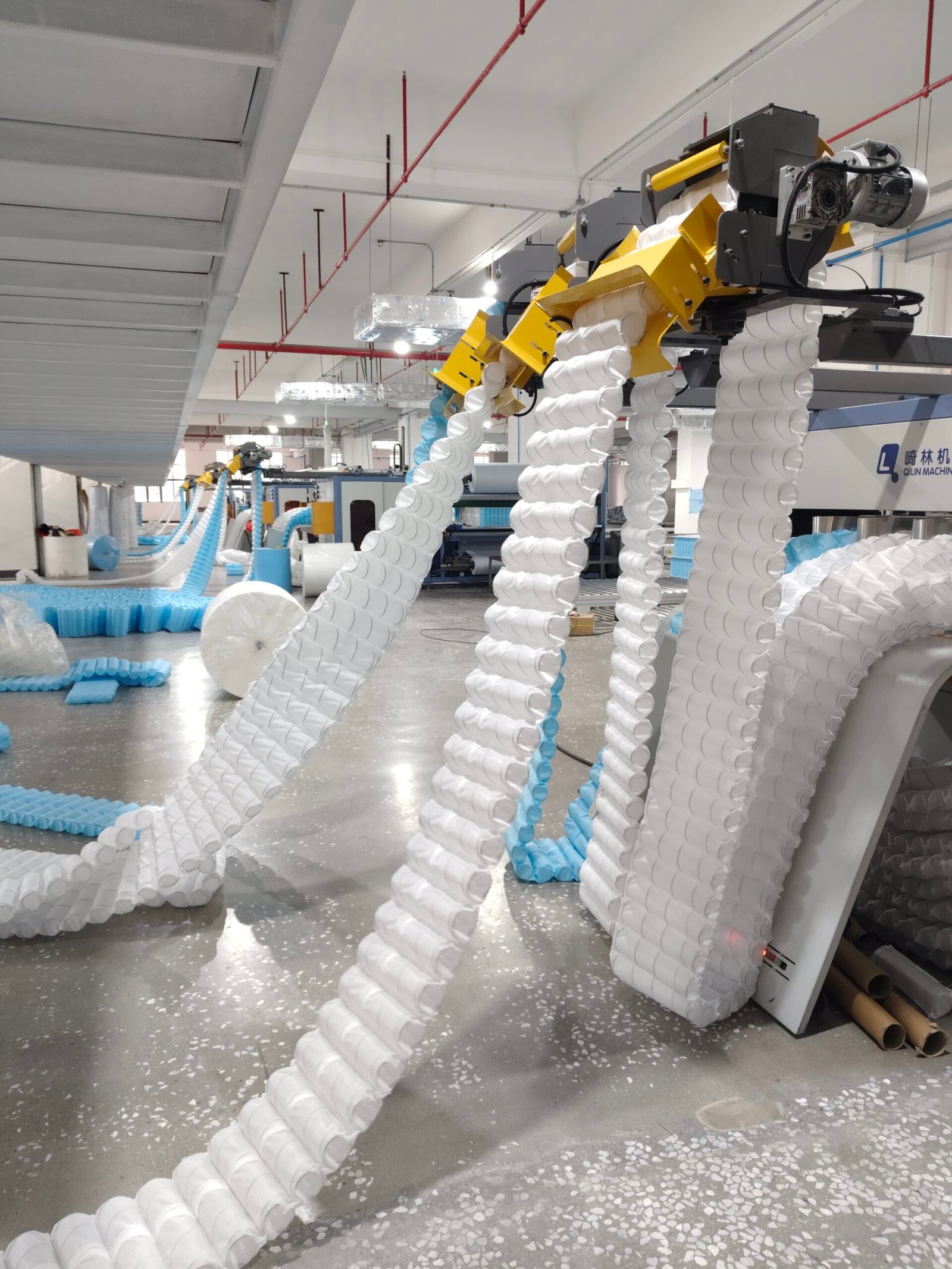
1. Key Components of a Spring Mattress
A spring mattress consists of multiple layers that work together to provide comfort and support.
1.1 Support Core (Springs)
The spring system is the foundation of the mattress, responsible for support and durability. Common types of spring systems include:
| Type de ressort | Description |
|---|---|
| Bonnell Coils | Hourglass-shaped coils connected by a wire frame. Traditional and cost-effective. |
| Offset Coils | Similar to Bonnell coils but with flattened edges for better body contouring. |
| Continuous Coils | Made from a single piece of wire, providing durability and firmness. |
| cURL Too many subrequests. | Individually wrapped coils that move independently, reducing motion transfer. |
1.2 Comfort Layers
The comfort layers sit above the spring system and provide cushioning. They are usually made of:
- Mousse (memory foam, polyurethane, or latex) for pressure relief.
- Fiberfill or wool for softness and breathability.
- Gel-infused layers to regulate temperature.
1.3 Insulation & Transition Layers
These layers separate the springs from the comfort layers, ensuring durability and even weight distribution. They may include:
- Felt pads
- Polyfoam or high-density foam
- cURL Too many subrequests.
1.4 Mattress Cover (Ticking)
The outermost fabric layer protects the inner materials and enhances breathability. Popular materials include:
- Quilted polyester blends (affordable and durable).
- Organic cotton or bamboo fabric (for eco-conscious consumers).
- Damask or knit fabric (for luxury mattresses).
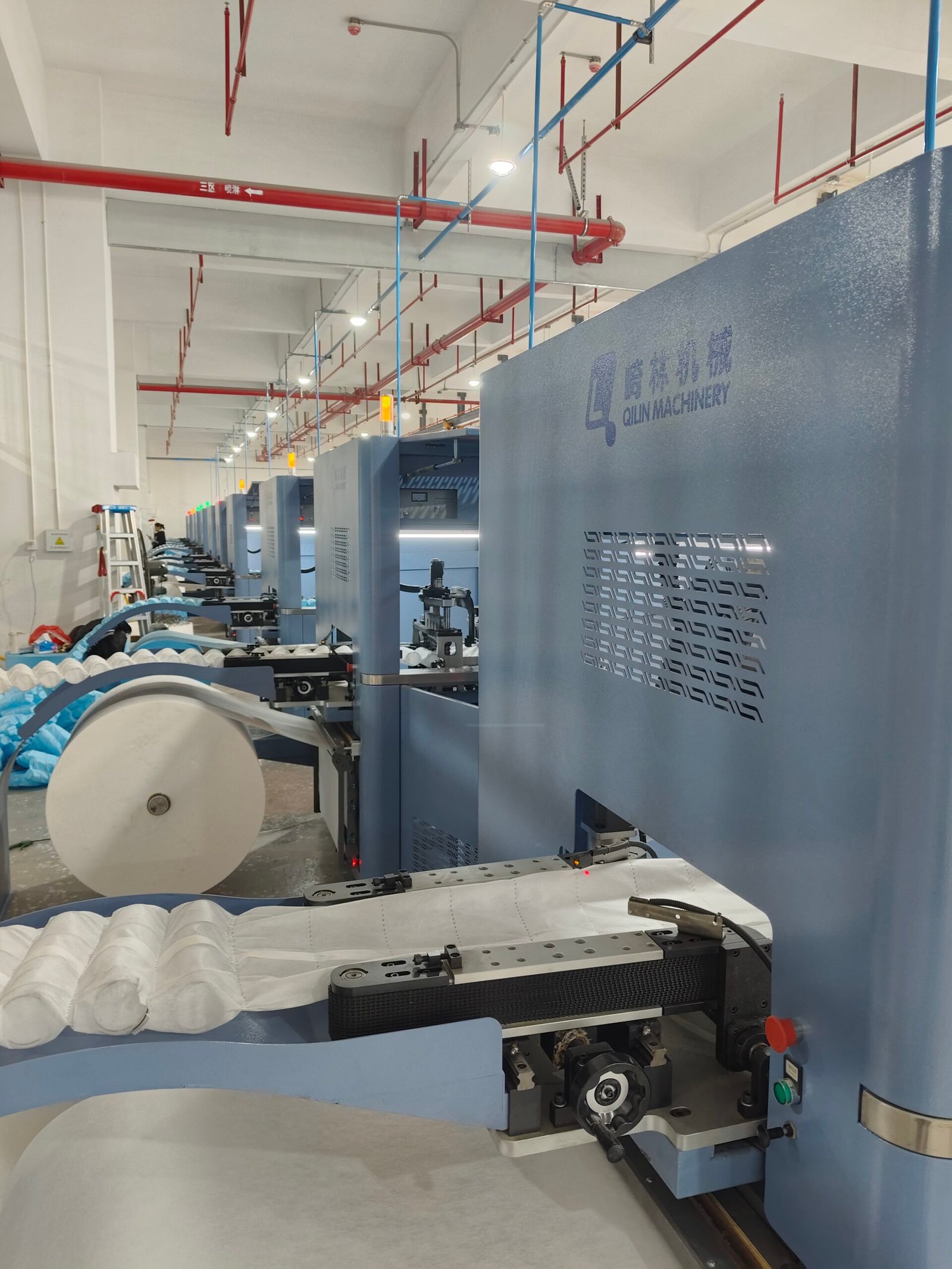
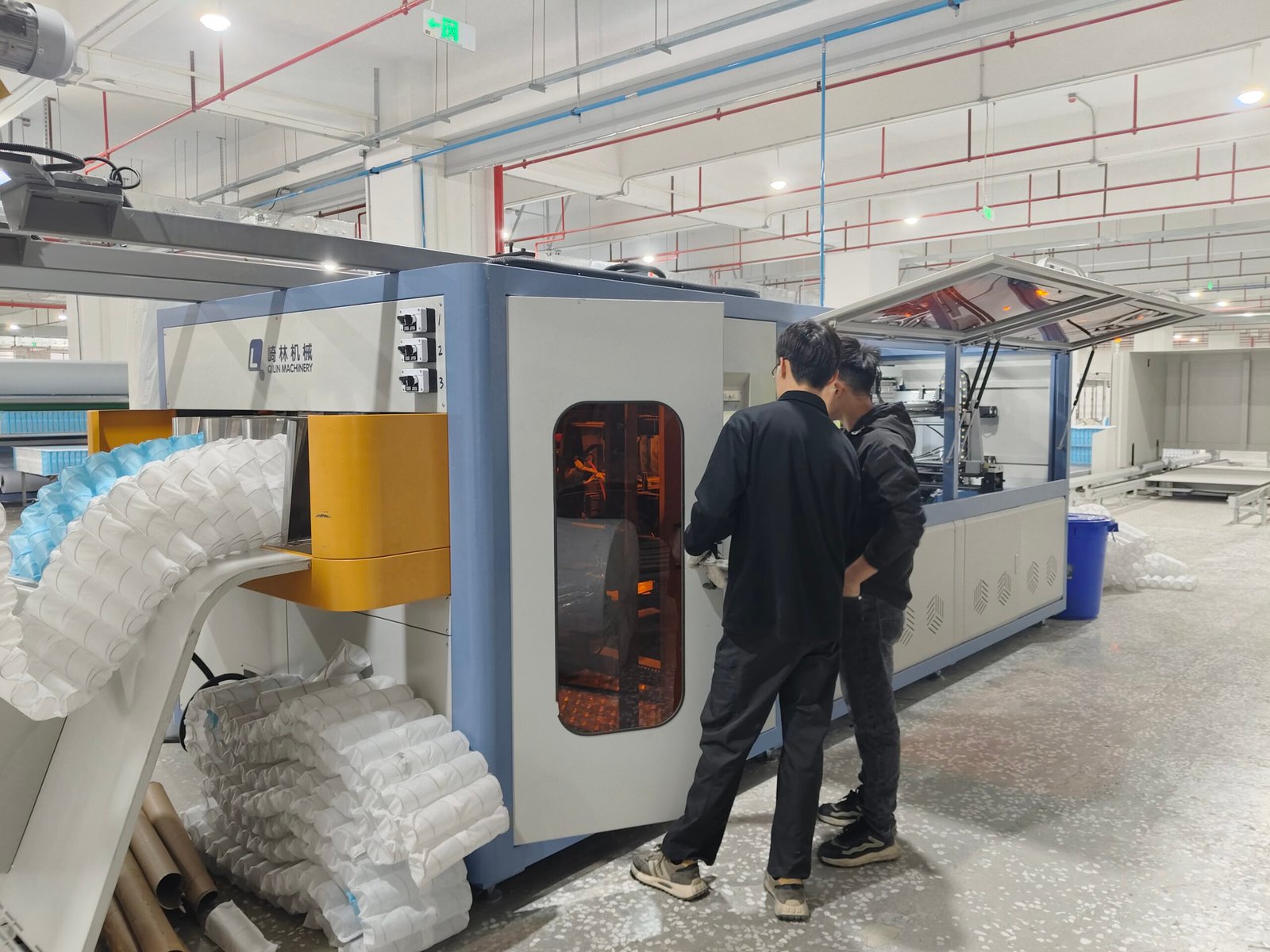
2. The Spring Mattress Manufacturing Process
2.1 Step 1: Constructing the Spring Core
- Steel wire is coiled and shaped into individual springs.
- Springs are heat-treated to enhance durability and prevent sagging.
- Coils are arranged into a structured unit, connected by helical wires (except in pocketed coil designs).
- Border rods or edge support reinforcements are added to increase stability.
2.2 Step 2: Adding the Insulator Layer
- A felt or foam barrier is placed on top of the coils to protect the comfort layers.
- This prevents the sleeper from feeling the springs directly.
2.3 Step 3: Applying the Comfort Layers
- High-density foam, latex, or fiber layers are attached to enhance comfort.
- cURL Too many subrequests.
cURL Too many subrequests.
- cURL Too many subrequests.
- cURL Too many subrequests.
- cURL Too many subrequests.
cURL Too many subrequests.
- cURL Too many subrequests.
- cURL Too many subrequests.
- cURL Too many subrequests.
- cURL Too many subrequests.
- cURL Too many subrequests.
- cURL Too many subrequests.
cURL Too many subrequests.
- cURL Too many subrequests.
- cURL Too many subrequests.
cURL Too many subrequests.
cURL Too many subrequests.
| Type | Description |
|---|---|
| cURL Too many subrequests. | cURL Too many subrequests. |
| cURL Too many subrequests. | cURL Too many subrequests. |
| cURL Too many subrequests. | cURL Too many subrequests. |
| cURL Too many subrequests. | cURL Too many subrequests. |
cURL Too many subrequests.
cURL Too many subrequests.
- cURL Too many subrequests. cURL Too many subrequests.
- cURL Too many subrequests. cURL Too many subrequests.
- cURL Too many subrequests. cURL Too many subrequests.
- cURL Too many subrequests. cURL Too many subrequests.
5. Conclusion
cURL Too many subrequests.
 French (Canada)
  English
  Vietnamese
  Spanish
  German
  French (France)
  Japanese
  German (Austria)
  Tibetan
  Danish
  Malayalam
  Indonesian
  Frisian
  Greek
Greek  Javanese
  Macedonian
  Galician