Energy Efficiency in Mattress Machinery: Cutting Costs and Carbon Footprint?
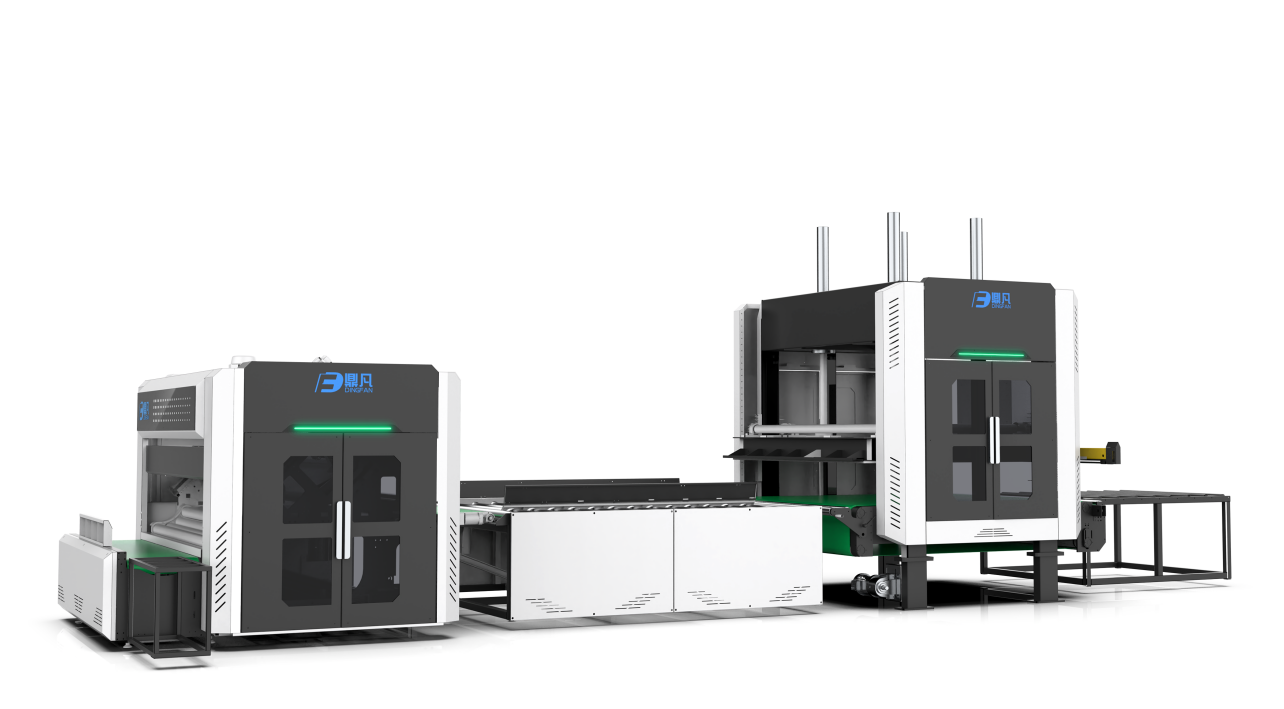
Rising energy costs and stricter environmental regulations are hitting mattress factories hard—standard machines simply waste too much power.
Energy-efficient mattress machinery helps reduce electricity bills, lower emissions, and improve sustainability—all while maintaining high output.
This article explains how to assess energy use in mattress production, what technologies to adopt, and how manufacturers like us can reduce both costs and our environmental footprint.
What’s the current energy usage in mattress production?
Energy bills keep climbing, especially in factories running outdated equipment across multiple shifts.
Mattress production involves high electricity use in cutting, sewing, assembling, and packaging—often reaching 50,000–100,000 kWh per month for mid-size factories.
Major Energy Consumers in Mattress Manufacturing
| Process Stage | Machinery Used | Energy Usage (Est.) |
|---|---|---|
| cURL Too many subrequests. | CNC cutters, laser cutters | High—precision motors |
| Quilting | Multi-needle sewing heads | Medium—continuous operation |
| Assembly | Glue rollers, press units | cURL Too many subrequests. |
| Packaging | Compressors, sealing units | Moyen |
Peak energy demand often happens during large batch production or promotional periods, meaning inefficient machines create bigger cost spikes.
What new technologies improve energy efficiency?
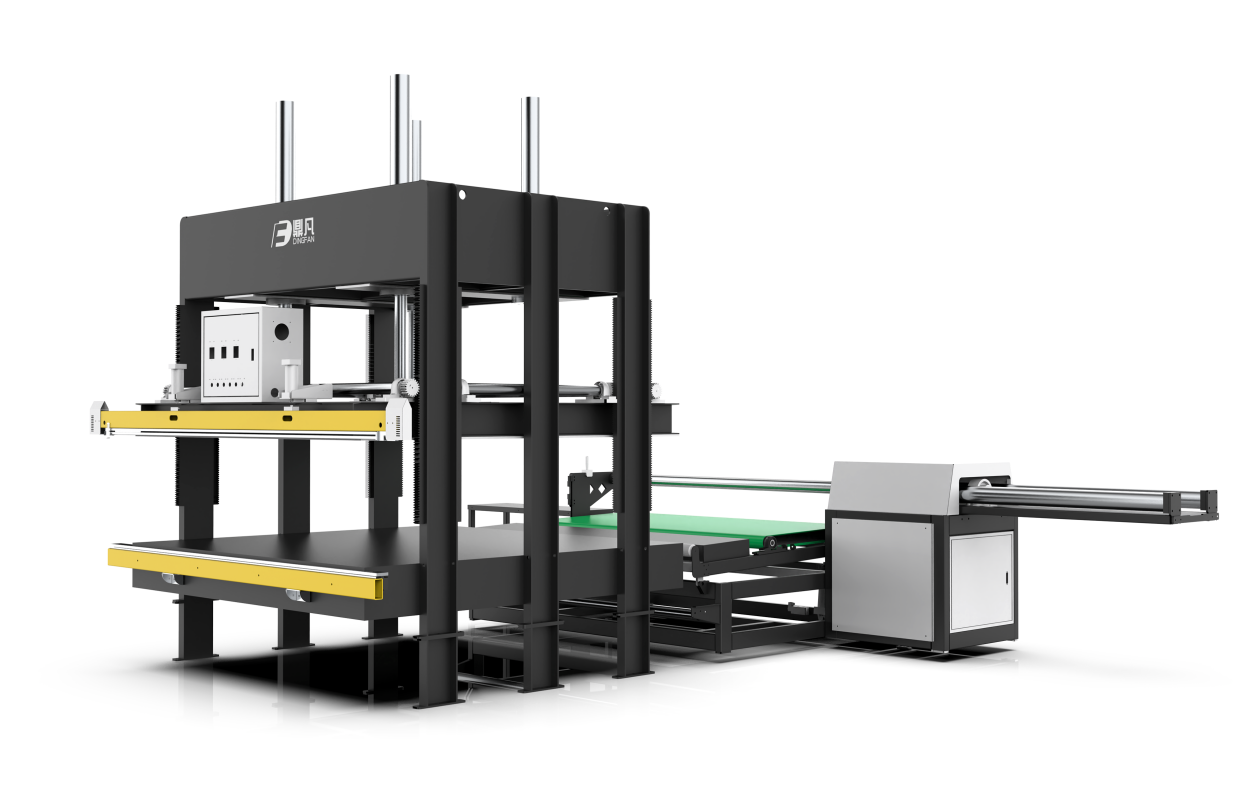
Many factories still run machines that were never designed with energy efficiency in mind.
Modern machines come with servo motors, smart sensors, and sleep modes—allowing energy use to scale with production needs.
Energy-Saving Technologies You Should Look For
- cURL Too many subrequests.: Use power only as needed—no idle waste
- Sleep mode: Puts the machine in standby when not operating
- Precision tool paths: Complete cuts or glue passes in fewer moves
- cURL Too many subrequests.: Track energy usage live and adjust performance
We’ve seen clients reduce machine energy consumption by 20–30% just by upgrading to newer models with these features.
What are practical steps to improve energy efficiency?
Many mattress manufacturers know energy is wasted—but don’t know where to start fixing it.
Maintenance, upgrades, and staff training are three easy ways to reduce energy waste quickly.
3-Step Action Plan
1. Regular Maintenance
- Clean filters, lubricate parts, and align cutters
- Avoids overloading motors due to resistance or friction
2. Upgrade Old Machines
- Replace motors with servo types
- Swap out inefficient glue systems for controlled roller types
cURL Too many subrequests.
- cURL Too many subrequests.
- cURL Too many subrequests.
cURL Too many subrequests.
cURL Too many subrequests.
cURL Too many subrequests.
cURL Too many subrequests.
cURL Too many subrequests.
| Type de machine | cURL Too many subrequests. | cURL Too many subrequests. | cURL Too many subrequests. | Payback Time |
|---|---|---|---|---|
| cURL Too many subrequests. | cURL Too many subrequests. | cURL Too many subrequests. | cURL Too many subrequests. | 14 mois |
| cURL Too many subrequests. | cURL Too many subrequests. | cURL Too many subrequests. | cURL Too many subrequests. | cURL Too many subrequests. |
| Sealing Unit | cURL Too many subrequests. | cURL Too many subrequests. | cURL Too many subrequests. | cURL Too many subrequests. |
cURL Too many subrequests.
cURL Too many subrequests.
cURL Too many subrequests.
cURL Too many subrequests.
cURL Too many subrequests.
- cURL Too many subrequests. cURL Too many subrequests.
- cURL Too many subrequests. cURL Too many subrequests.
- cURL Too many subrequests. cURL Too many subrequests.
cURL Too many subrequests.
cURL Too many subrequests. cURL Too many subrequests. cURL Too many subrequests.
cURL Too many subrequests.
cURL Too many subrequests.
cURL Too many subrequests.
cURL Too many subrequests.
- cURL Too many subrequests. on efficient motors
- Carbon footprint reporting benefits (especially in Europe)
- Green factory certifications (eligible for tender bonuses in Southeast Asia)
We helped one of our Vietnam clients apply for a 30% co-funding program through a local SME green tech grant. The upgrade paid for itself even faster.
What challenges do factories face when going energy-efficient?
Going green sounds good—but some factories fear disruptions or hidden costs.
The top concerns are integration issues, training time, and unclear ROI—but all can be handled with proper planning.
Problem vs. Solution Table
| cURL Too many subrequests. | cURL Too many subrequests. |
|---|---|
| Machine doesn’t fit old line | Use modular designs with standard dimensions |
| Operators don’t know new tech | Offer bilingual video training and hands-on onboarding |
| Budget constraints | Start with partial upgrades—highest power machines first |
| ROI hard to predict | Ask suppliers for real-world usage benchmarks |
We offer remote diagnostics and training support to ensure minimal disruption during the switch.
What’s the future of energy efficiency in mattress manufacturing?
The next decade will be driven by smart factories—and mattress machinery is no exception.
Expect AI-driven energy optimization, real-time efficiency dashboards, and full supply-chain visibility.
Upcoming Trends
- AI-controlled motor loads that self-adjust based on material thickness
- Energy scoring systems by machine/operator
- Factory-wide power optimization software
- Integration with solar or off-grid systems
The factories who lead in energy efficiency will not just save costs—they’ll win bigger contracts and improve brand trust.
Conclusion
Switching to energy-efficient mattress machinery helps cut electricity bills, reduce emissions, and future-proof your factory against rising energy costs and regulations.
 French (Canada)
  English
  Vietnamese
  Spanish
  German
  French (France)
  Japanese
  German (Austria)
  Tibetan
  Danish
  Malayalam
  Indonesian
  Frisian
  Greek
Greek  Javanese
  Macedonian
  Galician