How Automatic Layer-Changing Machines Improve Efficiency in Multi-Layer Mattress Production Lines

In modern mattress manufacturing, product structure is becoming increasingly complex. Multi-layer constructions that combine springs, foams, pads, nonwoven materials, and fabrics are now the norm rather than the exception. While these structures improve comfort and product differentiation, they also place much higher demands on production organization.
One of the most critical yet underestimated processes in this context is layer changing. Whether it involves separating layers, inserting new materials, rearranging structures, or switching processing sides, layer changing directly affects line rhythm, labor demand, and overall efficiency.
The introduction of automatic layer-changing machines fundamentally changes how multi-layer production lines operate. Instead of relying on manual lifting, alignment, and judgment, layer changing becomes a controlled, synchronized, and repeatable system process.
This article explains in detail how automatic layer-changing machines improve efficiency in multi-layer mattress production lines, focusing on production logic, system coordination, and real factory benefits rather than isolated machine functions.
Foar referinsje nei ferwante apparatuer en yntegrearre produksje-konsepten, kinne jo de ynterne bedriuwsside rieplachtsje:
https://mattressmachineryzl.com/
Why Layer Changing Is a Bottleneck in Multi-Layer Production
In traditional production lines, layer changing is one of the most labor-intensive and disruptive operations.
Typical manual layer-changing challenges include:
- Multiple workers required to lift and separate layers
- Inconsistent alignment between layers
- Slow operation that interrupts line rhythm
- High physical strain and injury risk
- Frequent errors during layer repositioning
As the number of layers increases, these problems multiply. Even if upstream and downstream processes are automated, manual layer changing can limit the effective speed of the entire line.
Automatic layer-changing machines are designed to remove this bottleneck at its source.
What an Automatic Layer-Changing Machine Does
An automatic layer-changing machine performs the controlled separation, transfer, and recombination of mattress layers according to predefined process logic.
In practical terms, it can:
- Separate top and bottom layers without manual lifting
- Hold layers securely during processing
- Insert, remove, or rearrange intermediate materials
- Recombine layers with accurate alignment
All of these actions are executed through mechanical handling and control logic rather than human effort.
Transforming Layer Changing from Manual Task to System Process
The most important efficiency gain comes from changing the nature of the task.
Manual layer changing is reactive and variable. Operators respond to each mattress individually.
Automatic layer changing is proactive and standardized. The system executes the same sequence every time, with:
- Fixed timing
- Defined movement paths
- Controlled force and positioning
This transformation eliminates uncertainty and creates predictable cycle times, which is essential for high-efficiency multi-layer production.
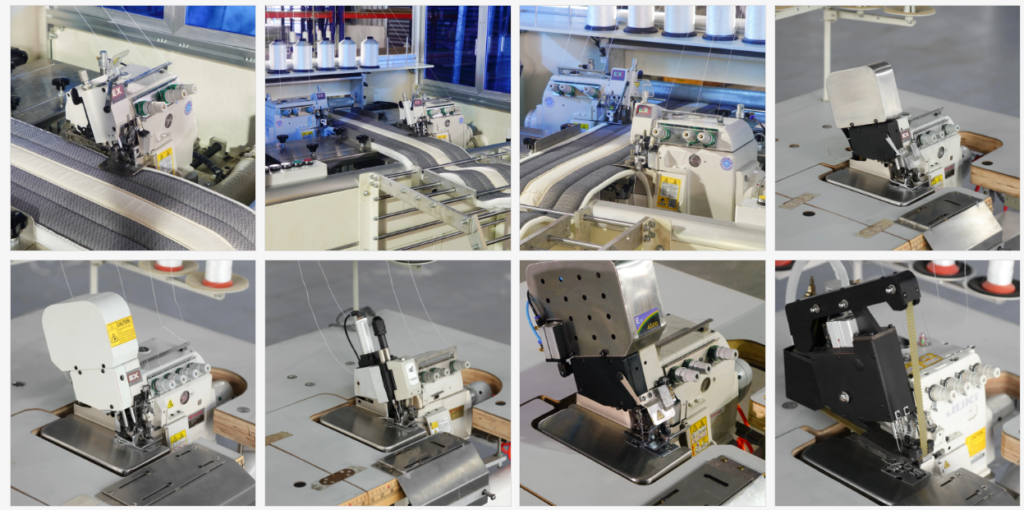
Synchronization with Multi-Layer Line Rhythm
Multi-layer production lines depend on rhythm stability. Any interruption at one station propagates downstream.
cURL Too many subrequests.
- cURL Too many subrequests.
- cURL Too many subrequests.
- cURL Too many subrequests.
cURL Too many subrequests.
cURL Too many subrequests.
cURL Too many subrequests.
cURL Too many subrequests.
- cURL Too many subrequests.
- cURL Too many subrequests.
- cURL Too many subrequests.
cURL Too many subrequests.
cURL Too many subrequests.
cURL Too many subrequests.
cURL Too many subrequests.
- cURL Too many subrequests.
- cURL Too many subrequests.
- cURL Too many subrequests.
cURL Too many subrequests.
- cURL Too many subrequests.
- cURL Too many subrequests.
- cURL Too many subrequests.
cURL Too many subrequests.
cURL Too many subrequests.
cURL Too many subrequests.
cURL Too many subrequests.
- cURL Too many subrequests.
- cURL Too many subrequests.
- cURL Too many subrequests.
cURL Too many subrequests.
cURL Too many subrequests.
cURL Too many subrequests.
cURL Too many subrequests.
- cURL Too many subrequests.
- Predictable cycle times
- cURL Too many subrequests.
cURL Too many subrequests.
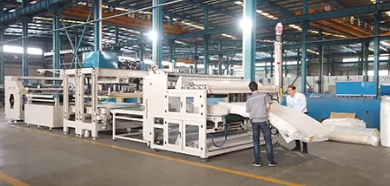
cURL Too many subrequests.
cURL Too many subrequests.
cURL Too many subrequests.
- cURL Too many subrequests.
- Maintain consistent performance across shifts
- cURL Too many subrequests.
cURL Too many subrequests.
Integration with Automated Conveying and Storage Systems
Automatic layer-changing machines achieve maximum efficiency when integrated into broader automation systems.
They work in coordination with:
- Automated conveyors
- Flipping and turning equipment
- Buffer and storage systems
This integration eliminates manual handoffs and ensures smooth material flow throughout the multi-layer line.
Mei ynformaasje oer yntegrearre automatisearingsoplossingen kin fûn wurde yntern by:
https://mattressmachineryzl.com/
Reducing Error Propagation in Multi-Stage Lines
In multi-layer production, errors propagate easily.
A misaligned layer at one stage can cause:
- Bonding defects
- Pressing inconsistency
- Final assembly problems
By standardizing layer changing early in the process, automatic machines reduce error propagation and stabilize the entire line.
Shorter Training Time and Workforce Flexibility
Manual layer changing requires experience and physical coordination.
cURL Too many subrequests.
- Simplify operator tasks
- Reduce training time
- Allow flexible workforce assignment
This flexibility improves staffing efficiency and reduces indirect labor costs related to turnover and retraining.
Long-Term Efficiency Gains Through Stability
Efficiency is not only about speed. It is about stability over time.
cURL Too many subrequests.
- Maintain consistent cycle times
- Reduce fatigue-related slowdowns
- Minimize variation across shifts
This stability increases effective output day after day, which is critical for long-term efficiency.
Summary Table: Efficiency Impact of Automatic Layer-Changing Machines
Aspect | Manual Layer Changing | Automatic Layer-Changing Machine
Arbeidsbehoefte | Heech | Signifikant fermindere
Fysike wurkdruk | Tige heech | Minimaal
Layer alignment | Variable | Precise and repeatable
Production rhythm | Stop-and-go | Continuous
Error and rework rate | Higher | Lower
Suitability for complex structures | Limited | High
cURL Too many subrequests.
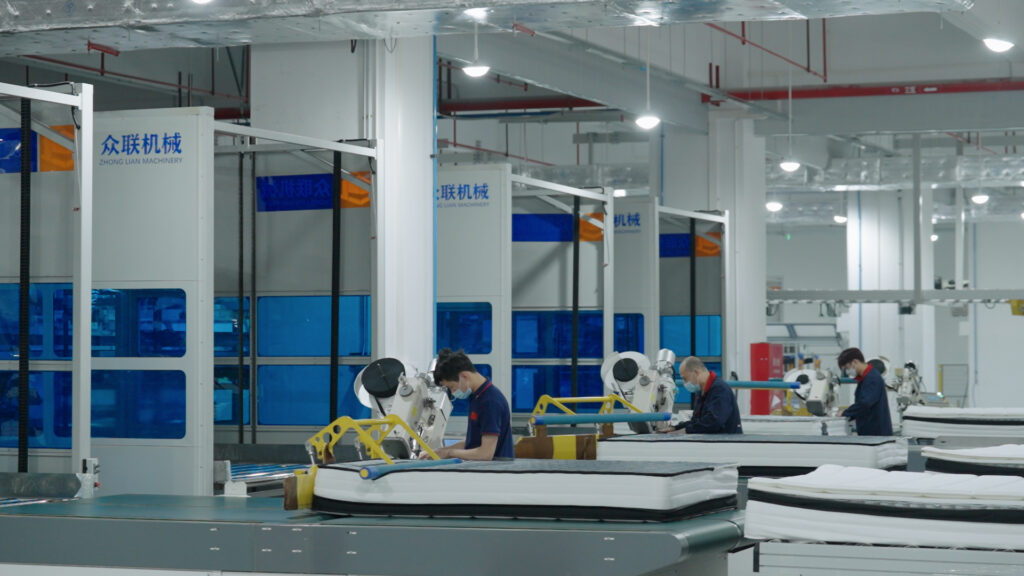
Why Efficiency Gains Multiply Across the Entire Line
Automatic layer-changing machines do not improve efficiency in isolation.
By stabilizing one of the most disruptive operations, they:
- Allow upstream processes to run faster
- Reduce downstream corrections
- Improve overall line balance
This is why the efficiency gain at the system level is often greater than the improvement measured at the layer-changing station alone.
Strategic Role in Multi-Layer Production Design
As mattress designs continue to evolve, manual layer changing becomes a structural constraint.
cURL Too many subrequests.
- cURL Too many subrequests.
- cURL Too many subrequests.
- cURL Too many subrequests.
cURL Too many subrequests.
cURL Too many subrequests.
cURL Too many subrequests.
cURL Too many subrequests.
cURL Too many subrequests.
 Frisian
  English
  Vietnamese
  Spanish
  German
  French (France)
  French (Canada)
  Japanese
  German (Austria)
  Tibetan
  Danish
  Malayalam
  Indonesian
  Greek
Greek  Javanese
  Macedonian
  Galician