
The Importance of Maintenance for Mattress Quilting Machines?
Machine failures, stitching defects, and downtime often stem from one overlooked issue: poor maintenance.
Regular maintenance is essential to ensure consistent stitching quality, reduce breakdowns, and extend the life of mattress quilting machines.
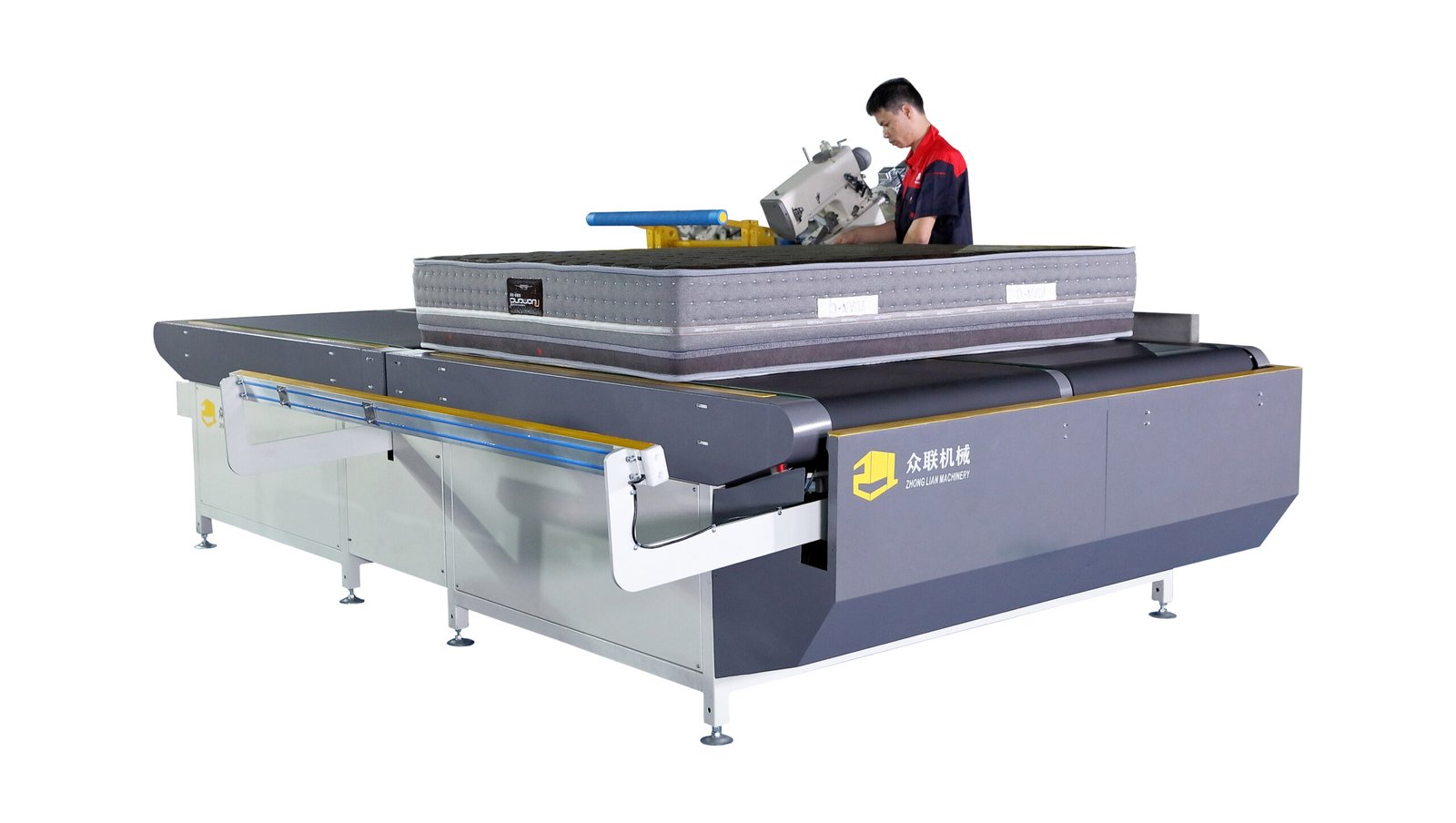
In this article, I’ll explain why maintenance matters, what problems arise when it’s ignored, and how a structured maintenance plan can protect your equipment investment and factory output.
Why Is Maintenance Critical for Quilting Machines?
Even the best machine can become unreliable if not properly maintained.
Maintenance improves machine reliability, stitching quality, and daily production efficiency—all of which are vital in mattress manufacturing.
What Does Maintenance Actually Do?
1. Prevents Unexpected Downtime
When gears wear out or threads jam unexpectedly, your production line stops. Preventive care keeps everything moving.
2. Protects Stitch Quality
Loose tension or worn needles cause uneven patterns, skipped stitches, or ugly borders. Maintenance ensures every panel meets standards.
3. Extends Equipment Life
Just like a car engine, quilting machines need oiling, alignment, and part checks to last 5+ years under daily use.
Quick Comparison
| With Regular Maintenance | Without Maintenance |
|---|---|
| Smooth operation | Frequent jams and thread breaks |
| Consistent pattern quality | Misaligned or missing stitches |
| Fewer emergency repairs | Costly last-minute service calls |
| Longer machine lifespan | Early wear and premature failure |
Maintenance isn’t just a task—it’s your factory’s insurance policy.
What Happens If You Skip Maintenance?
Ignoring basic care leads to damage, defects, and disappointed customers.
Without maintenance, your quilting machine becomes unreliable, inconsistent, and expensive to fix.
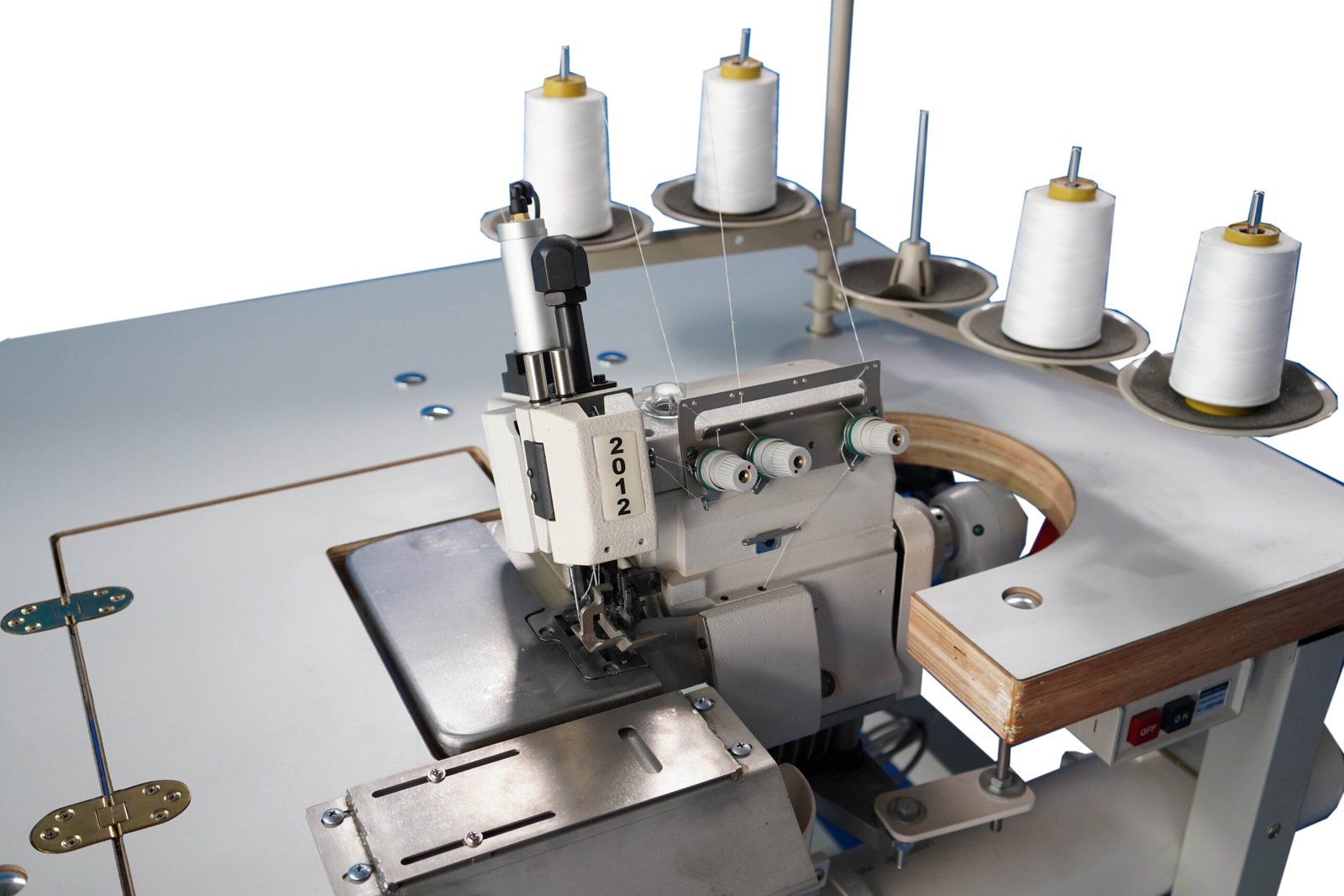
Top 3 Consequences
1. Stitching Defects
Worn needles or misaligned tensioners produce uneven quilting. Over time, this leads to customer complaints or even product returns.
2. Mechanical Failures
Parts like belts, cams, and guides wear down with each cycle. If not cleaned or lubricated, they seize up or snap during production.
3. Costly Downtime
Unplanned breakdowns halt your entire line. Emergency fixes are 3–5x more expensive than preventive checks.
Real-World Example
One client skipped monthly belt checks. A belt snapped mid-shift, damaging the shaft. The repair took 3 days and cost $1,800—plus lost orders.
| Common Issue | Cause | cURL Too many subrequests. |
|---|---|---|
| Skipped stitches | Dirty feed dogs or loose needle | cURL Too many subrequests. |
| cURL Too many subrequests. | cURL Too many subrequests. | cURL Too many subrequests. |
| cURL Too many subrequests. | cURL Too many subrequests. | cURL Too many subrequests. |
cURL Too many subrequests.
cURL Too many subrequests.
cURL Too many subrequests.
cURL Too many subrequests.
cURL Too many subrequests.
cURL Too many subrequests.
- cURL Too many subrequests.
- cURL Too many subrequests.
- cURL Too many subrequests.
cURL Too many subrequests.
- cURL Too many subrequests.
- cURL Too many subrequests.
- cURL Too many subrequests.
cURL Too many subrequests.
- cURL Too many subrequests.
- cURL Too many subrequests.
- cURL Too many subrequests.
cURL Too many subrequests.
- cURL Too many subrequests.
- cURL Too many subrequests.
- cURL Too many subrequests.
cURL Too many subrequests.
| cURL Too many subrequests. | cURL Too many subrequests. | cURL Too many subrequests. |
|---|---|---|
| cURL Too many subrequests. | Daily | Operator |
| cURL Too many subrequests. | Weekly | cURL Too many subrequests. |
| cURL Too many subrequests. | Monthly | cURL Too many subrequests. |
| cURL Too many subrequests. | cURL Too many subrequests. | cURL Too many subrequests. |
cURL Too many subrequests.
cURL Too many subrequests.
cURL Too many subrequests.
cURL Too many subrequests.
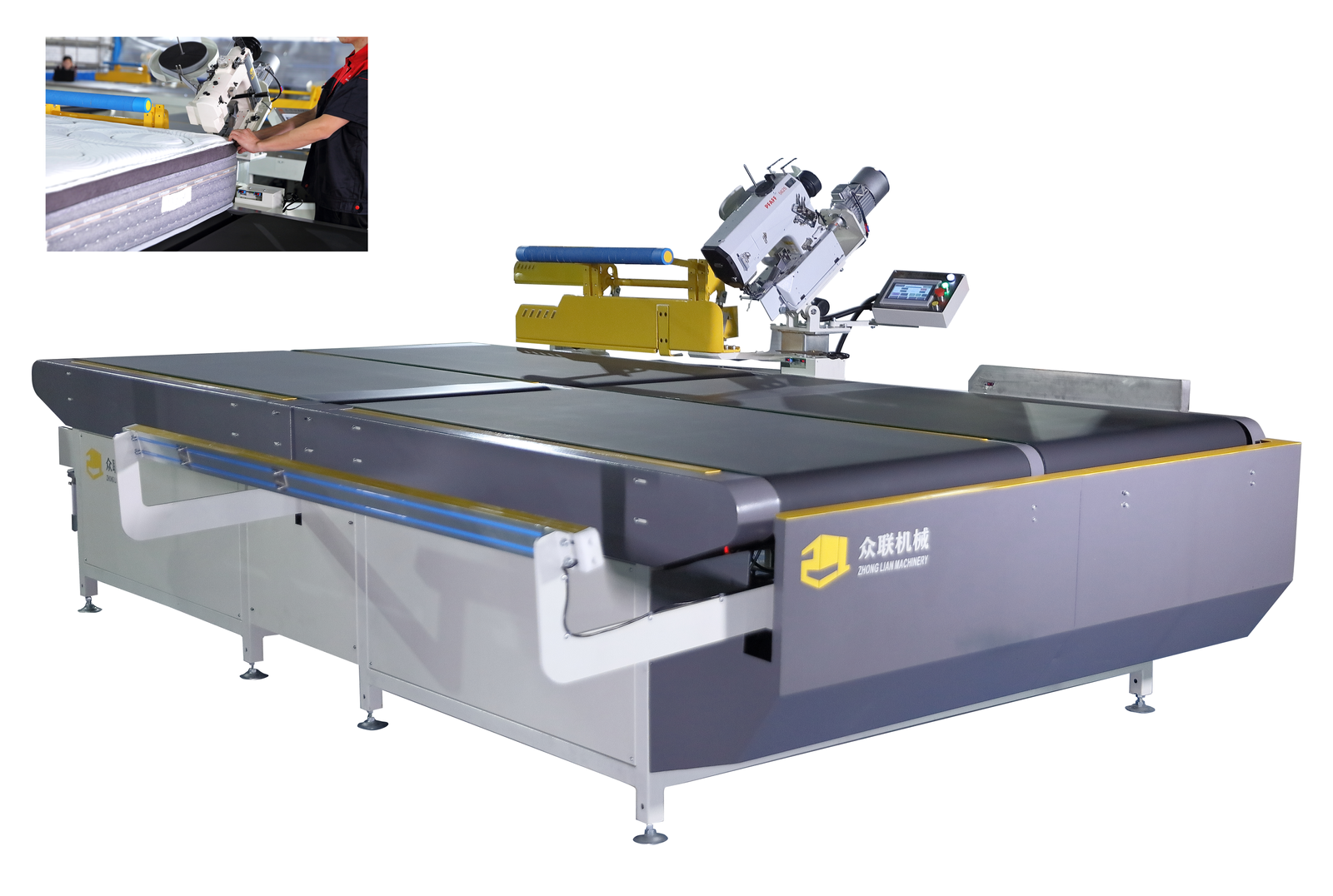
1. Cleaning
Dust, lint, and loose thread are the biggest hidden enemies of quilting machines.
- Use compressed air or brushes daily
- Clean bobbin cases, feed dogs, and thread sensors
2. Lubrication
Follow the machine manual closely.
- Use light sewing oil for moving arms
- Use grease on gears and rail guides
- Avoid over-lubricating—it causes buildup
3. Inspection
Visual checks catch early problems:
- Worn drive belts
- Loose cams or screws
- Bent needle bar or footplate
4. Calibration
Misaligned heads or worn sensors cause pattern drift.
- Recalibrate pattern head monthly
- Update digital controls if stitch offsets occur
Should You Train Staff for Maintenance?
Yes—because your machine is only as good as the people using it.
Training reduces operator mistakes, improves response time, and builds a proactive factory culture.
Topics to Train
- How to change needles safely
- How to check oil levels and apply grease
- What noises or vibrations mean trouble
- When to escalate to a technician
A 2-hour training once per quarter can prevent 90% of preventable breakdowns.
Conclusion
Mattress quilting machines are precision tools. Regular maintenance is the simplest, cheapest way to protect your investment, ensure production reliability, and maintain customer satisfaction.
📞 Get in touch with us for tailored solutions! We look forward to collaborating with you and shaping a brighter future together! ✨
📞 | WhatsApp:+86 15220512074
📧E-mail:zhongliantec@gmail.com
Web | Link:mattressmachineryzl.com
 Javanese
  English
  Vietnamese
  Spanish
  German
  French (France)
  French (Canada)
  Japanese
  German (Austria)
  Tibetan
  Danish
  Malayalam
  Indonesian
  Frisian
  Greek
Greek  Macedonian
  Galician