How Does Automation Improve the Efficiency of Mattress Production?
How Does Automation Improve the Efficiency of Mattress Production?
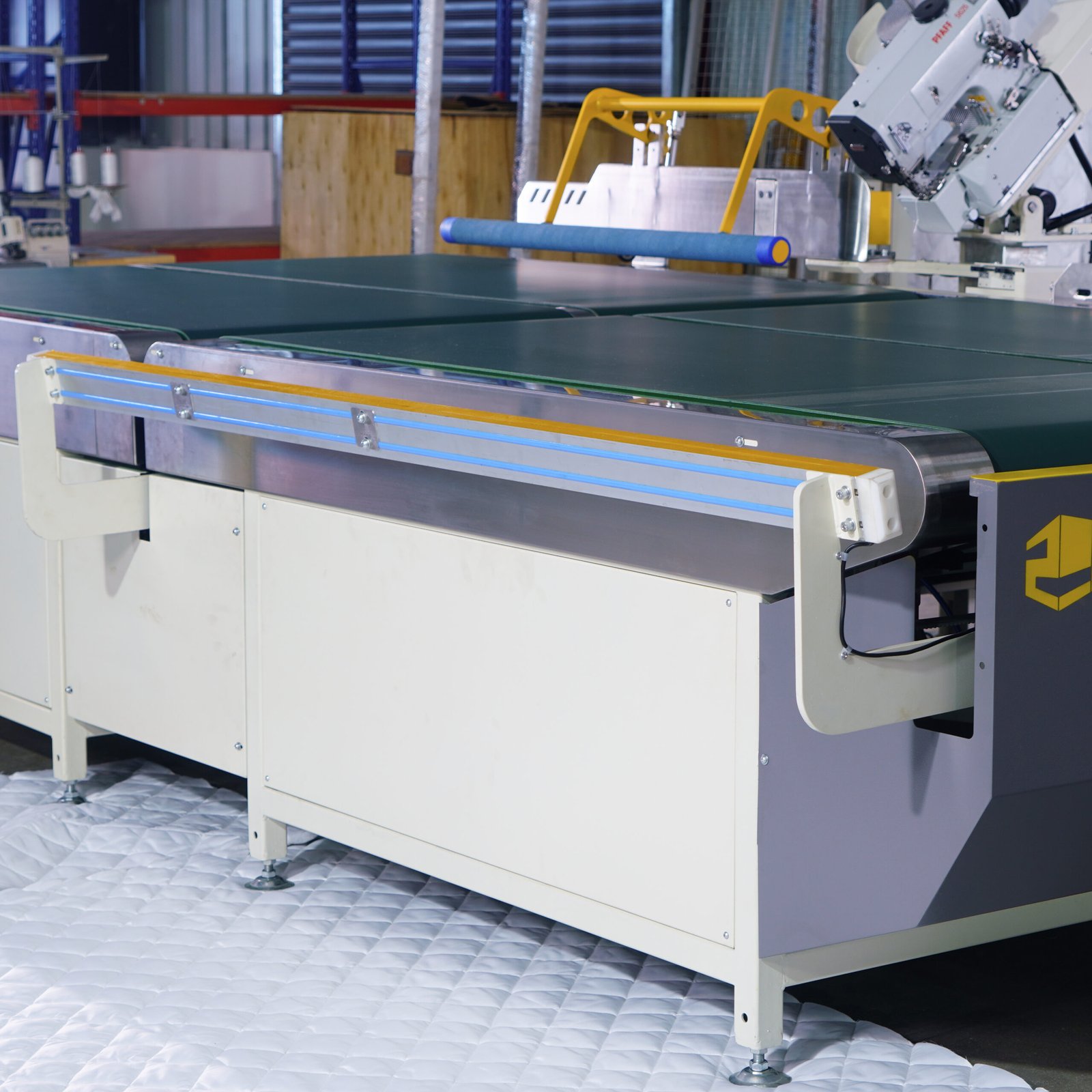
Automation has revolutionized mattress manufacturing, making production faster, more cost-effective, and higher in quality. From high-speed machinery to AI-driven quality control, automated systems help manufacturers streamline processes, reduce waste, and increase output. Let’s explore the key ways automation is improving efficiency in mattress production.
Increased Production Speed
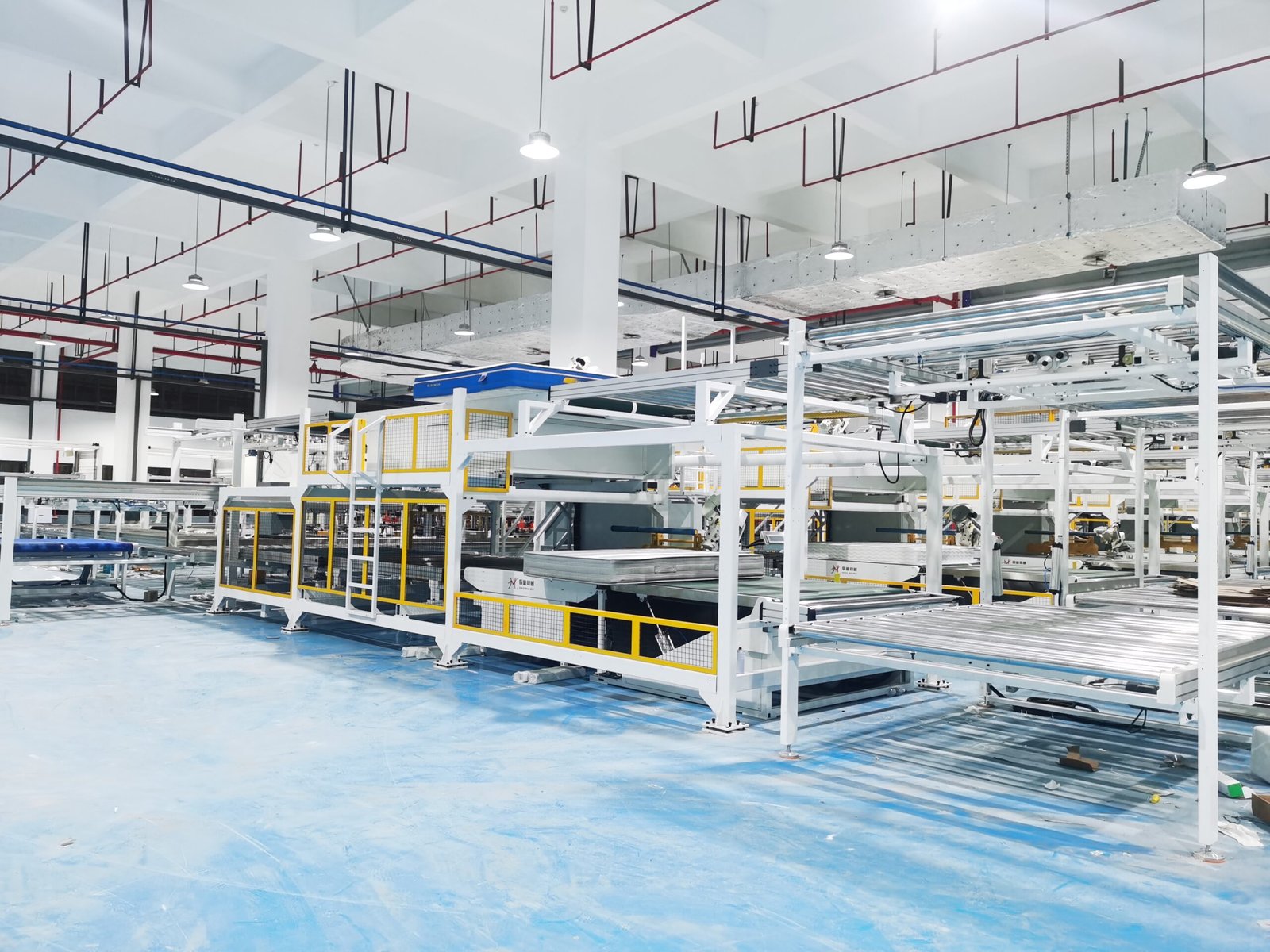
Continuous Production
- 24/7 Operations: Automated production lines run continuously without breaks, significantly increasing productivity.
- Reduced Lead Times: Processes that once took hours or days can now be completed much faster, ensuring quicker delivery times.
High-Speed Machinery
- Automatic Spring Coiling: Machines can produce hundreds of springs per minute, far exceeding manual labor capabilities.
- Foam Cutting & Fabric Sewing: Automated cutting and sewing machines operate at high speeds, reducing production time.
Efficient Workflow
- Streamlined Assembly: Automation synchronizes different tasks, such as layering, gluing, and sewing, eliminating bottlenecks.
- Flexibility in Production: Production lines can quickly switch between mattress models to meet market demands.
Improved Product Consistency
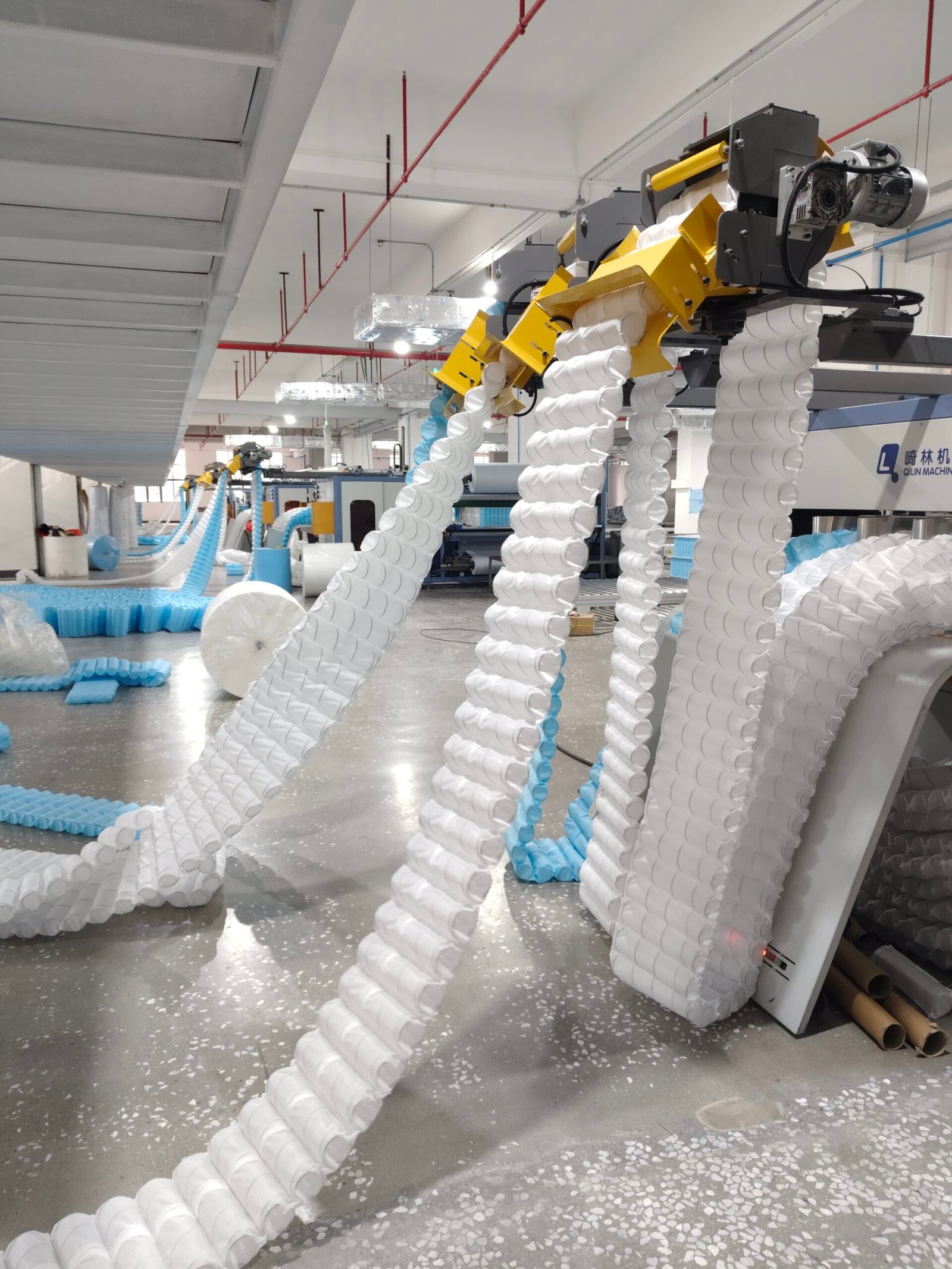
Precision Control Systems
- Automated Cutting & Assembly: Ensures consistent material sizing and mattress structure.
- Programmable Machine Actions: Machines perform repetitive tasks with precise accuracy, eliminating human errors.
Minimized Human Error
- Robotic Assembly: Reduces defects by ensuring precise spring placement and stitching.
- Automated Quality Control: AI-driven systems detect defects early, ensuring only high-quality mattresses reach the market.
Uniform Material Quality
- Consistent Foam Cutting: Reduces variability in mattress comfort and durability.
- Latex Injection Molding: Ensures uniform density and structure across all mattresses.
Reduced Labor Costs
Automation of Repetitive Tasks
- Less Manual LaborcURL Too many subrequests.
- cURL Too many subrequests.cURL Too many subrequests.
cURL Too many subrequests.
- cURL Too many subrequests.cURL Too many subrequests.
- cURL Too many subrequests.cURL Too many subrequests.
cURL Too many subrequests.
- cURL Too many subrequests.cURL Too many subrequests.
- cURL Too many subrequests.cURL Too many subrequests.
cURL Too many subrequests.
cURL Too many subrequests.
- cURL Too many subrequests.cURL Too many subrequests.
- cURL Too many subrequests.cURL Too many subrequests.
cURL Too many subrequests.
- cURL Too many subrequests.cURL Too many subrequests.
- cURL Too many subrequests.cURL Too many subrequests.
cURL Too many subrequests.
- cURL Too many subrequests.cURL Too many subrequests.
- cURL Too many subrequests.cURL Too many subrequests.
cURL Too many subrequests.
cURL Too many subrequests.
- cURL Too many subrequests.cURL Too many subrequests.
- cURL Too many subrequests.cURL Too many subrequests.
cURL Too many subrequests.
- cURL Too many subrequests.cURL Too many subrequests.
- cURL Too many subrequests.cURL Too many subrequests.
cURL Too many subrequests.
- cURL Too many subrequests.cURL Too many subrequests.
- Closed-Loop Production: Uses recycled materials to reduce environmental impact.
The Future of Automated Mattress Production
With advancements in AI, IoT, and robotics, mattress manufacturing continues to evolve towards greater efficiency, cost savings, and sustainability. Companies that embrace automation will benefit from increased output, improved product quality, and reduced operational expenses. The future of mattress production is smarter, faster, and more adaptive than ever.
 Javanese
  English
  Vietnamese
  Spanish
  German
  French (France)
  French (Canada)
  Japanese
  German (Austria)
  Tibetan
  Danish
  Malayalam
  Indonesian
  Frisian
  Greek
Greek  Macedonian
  Galician