What is the application prospect of intelligent manufacturing technology in mattress machinery?
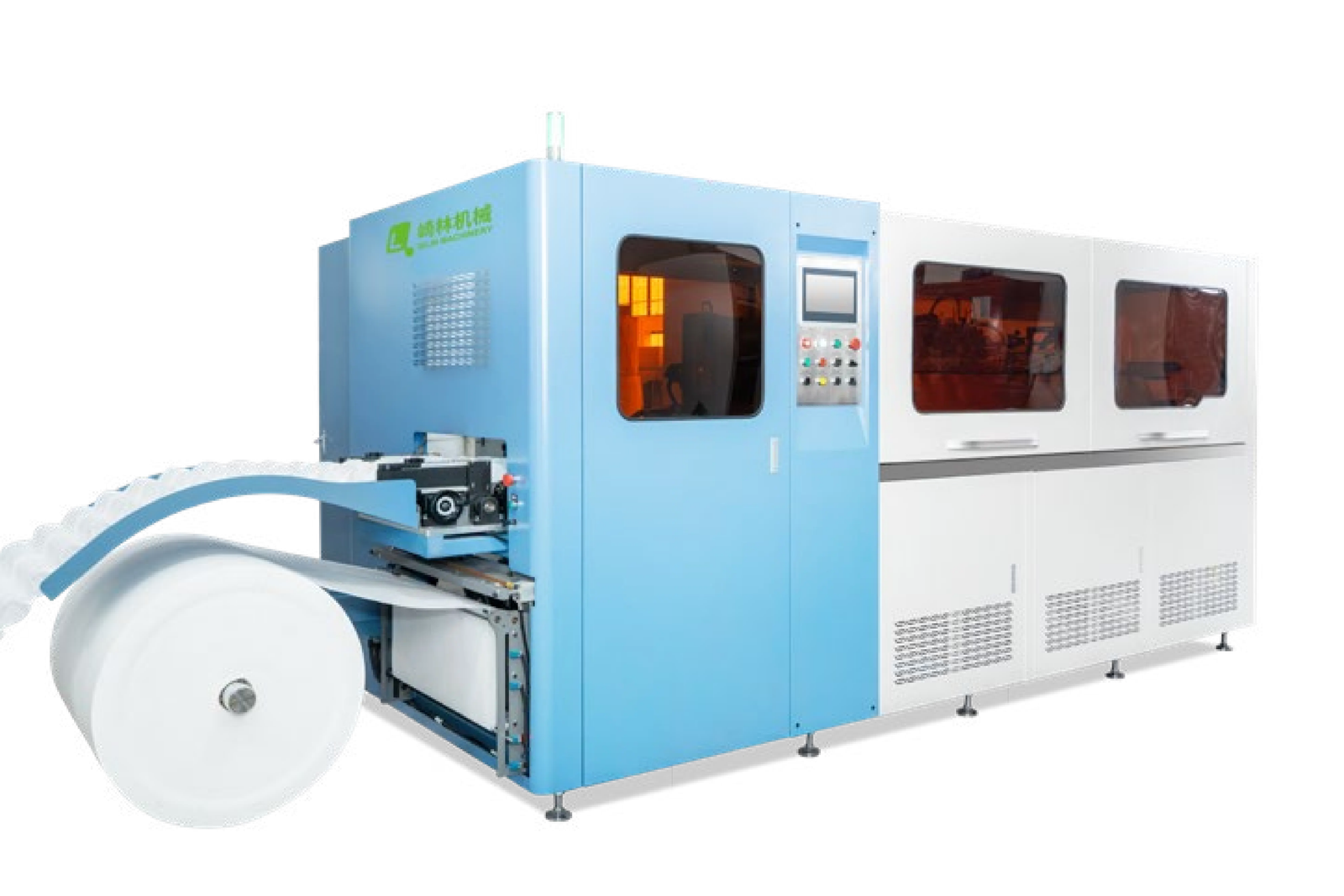
Many mattress factories still rely on labor-intensive processes, facing challenges like low efficiency, high defect rates, and rising labor costs.…
Intelligent manufacturing offers a future-ready solution for mattress machinery by boosting efficiency, enabling customization, reducing costs, and improving product consistency through automation, AI, IoT, and big data.
With evolving market demands and tighter quality standards, smart technology adoption in mattress manufacturing is no longer optional—it’s essential. Let’s explore how it works and where it’s headed.
What does intelligent manufacturing technology really mean?
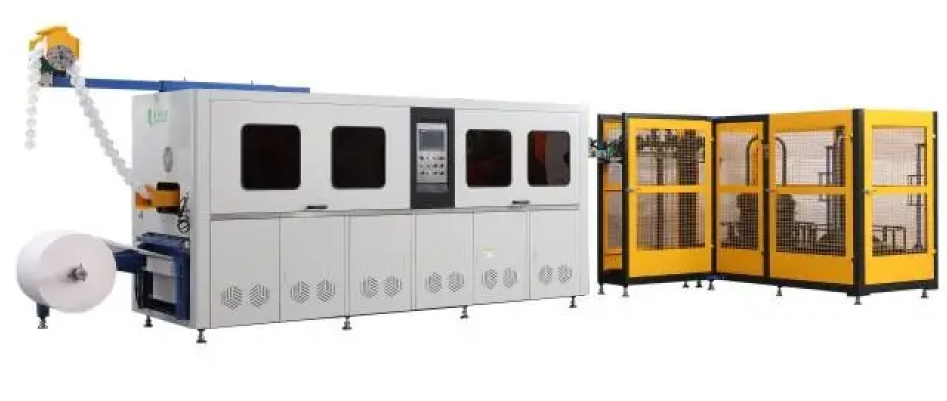
Manual operations often limit scale, slow productivity, and increase error rates. In the past, manufacturers had no easy way to collect or act on production data.
Intelligent manufacturing integrates AI, IoT, robotics, and big data analytics into machinery, making production lines more adaptive, efficient, and self-optimizing.
It’s more than just “automation.” It’s about machines that:
- Think with real-time AI feedback,
- See through visual sensors,
- React instantly to errors or demand changes,
- And connect with other factory systems for centralized control.
This tech foundation allows mattress factories to transform from reactive production to predictive and flexible manufacturing models.
Key Components of Smart Tech:
| cURL Too many subrequests. | Role in Mattress Machinery |
|---|---|
| IoT Sensors | Monitor spring position, motor status, machine load |
| AI & ML | Optimize stitching paths, predict faults, tune pressure |
| Robotics | Handle spring forming, gluing, cutting, and packing |
| Data Analytics | Forecast demand, track inventory, evaluate efficiency |
Smart tech empowers mattress machines to work faster, smarter, and with less downtime.
How advanced is current mattress machinery?
Most mattress factories have adopted basic automation, like PLC-controlled spring bagging or semi-auto glue machines. These have improved consistency—but they’re still limited.
Current machines often lack deep data feedback and can’t auto-optimize. Intelligent upgrades offer real-time diagnostics, parameter adjustments, and predictive warnings.
Common limitations in today’s machines:
- Manual spec changeover takes 20–30 minutes
- Spring misfeeds are hard to catch without visual sensors
- Unexpected downtime due to missing fault prediction
- Difficult to track spring count or performance across shifts
Even top-tier equipment today can benefit from upgrades like:
- Servo-driven gluing arms with adaptive pressure controls
- cURL Too many subrequests. cURL Too many subrequests.
- cURL Too many subrequests. cURL Too many subrequests.
cURL Too many subrequests. cURL Too many subrequests. cURL Too many subrequests.
cURL Too many subrequests.
cURL Too many subrequests.
cURL Too many subrequests.
cURL Too many subrequests.
cURL Too many subrequests. cURL Too many subrequests. cURL Too many subrequests. cURL Too many subrequests.:
- cURL Too many subrequests.
- cURL Too many subrequests.
- cURL Too many subrequests.
- cURL Too many subrequests.
cURL Too many subrequests.
cURL Too many subrequests.
cURL Too many subrequests.
cURL Too many subrequests.
cURL Too many subrequests.
- cURL Too many subrequests.
- cURL Too many subrequests.
- cURL Too many subrequests. cURL Too many subrequests.
cURL Too many subrequests.
| cURL Too many subrequests. | cURL Too many subrequests. |
|---|---|
| cURL Too many subrequests. | cURL Too many subrequests. |
| cURL Too many subrequests. | cURL Too many subrequests. |
| cURL Too many subrequests. | cURL Too many subrequests. |
cURL Too many subrequests.
cURL Too many subrequests.
cURL Too many subrequests.
cURL Too many subrequests.
cURL Too many subrequests.
- cURL Too many subrequests.
- Adjust line spacing or bag width via preset
- Change glue pattern or roll-pack pressure automatically
Customization is key for winning orders from high-end or overseas buyers who demand agility.
What role does predictive maintenance play?
Downtime kills profits. When a key shaft breaks or a sensor fails, every minute matters.
Smart machines monitor temperature, vibration, pressure, and speed. They warn operators before a breakdown occurs.
This means:
- No sudden halts mid-production
- Planned part replacements during shift breaks
- Increased machine life cycle (8–15 years for high-end models)
Factories can schedule light maintenance on off-days, avoiding costly service calls.
Can smart tech optimize our supply chain?
Many factories still track coils or fabrics with paper logs or spreadsheets.
With smart supply chain systems, every part—from steel wire to foam roll—is tracked with QR codes, RFID, or barcode systems.
Inventory dashboards display:
- Current stock levels by material
- Reorder recommendations based on usage trends
- Alerts when components fall below threshold
Combined with AI-based demand forecasting, factories avoid overstock or understock situations—especially crucial when raw material costs fluctuate.
Is intelligent manufacturing more energy efficient?
Energy bills are often one of the biggest costs in mattress production, especially in warmer climates or large plants.
Smart equipment uses AI to reduce energy consumption via motor speed control, idle-time cutoffs, and heat management.
Upgrades like:
- Variable Frequency Drives (VFD) on motors
- Sleep mode for heating elements
- Data-logged energy reports
All contribute to a 20–30% reduction in power use compared to older systems.
Is the investment worth it?
Smart systems require upfront investment—but they pay back fast.
Typical ROI for Smart Mattress Machinery:
| Category | Manual System | Smart System | ROI Time |
|---|---|---|---|
| cURL Too many subrequests. | 2-3 workers | cURL Too many subrequests. | cURL Too many subrequests. |
| Roll pack | 2 minutes/pack | 30 seconds/pack | 8 months |
| Quality Check | Random spot check | cURL Too many subrequests. | cURL Too many subrequests. |
cURL Too many subrequests.
Conclusion
cURL Too many subrequests.
 Javanese
  English
  Vietnamese
  Spanish
  German
  French (France)
  French (Canada)
  Japanese
  German (Austria)
  Tibetan
  Danish
  Malayalam
  Indonesian
  Frisian
  Greek
Greek  Macedonian
  Galician