
cURL Too many subrequests.
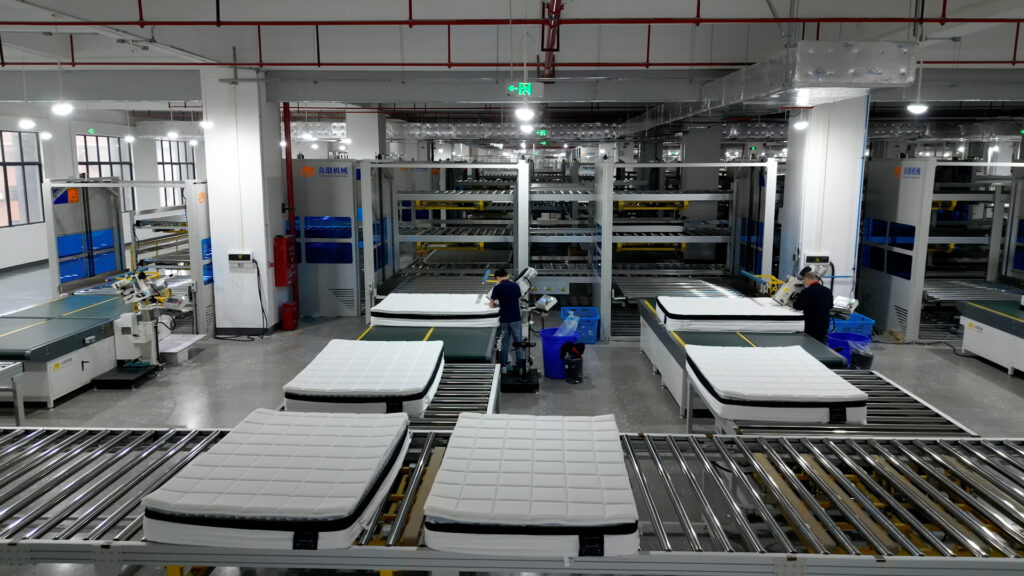
In mattress manufacturing, labor reduction is no longer a future goal. It is an urgent operational requirement.
Rising labor costs, shrinking availability of skilled workers, and increasing production pressure are forcing factories to rethink how work is organized on the production floor.
While many manufacturers focus on automating complex processes such as spring assembly, gluing, or tape edging, one highly repetitive and labor-intensive activity is often underestimated: mattress flipping.
In reality, mattress flipping is one of the largest hidden consumers of manpower in a factory.
Automatic mattress flipping functions, when properly implemented, can reduce labor demand in related processes by up to 50 percent.
This article explains how automatic flipping systems achieve this level of labor reduction, not through a single machine replacement, but through a structural change in production logic.
For reference to related equipment and integrated automation concepts, you may consult the internal company page:
https://mattressmachineryzl.com/

Why Mattress Flipping Is a Major Hidden Labor Cost
At first glance, mattress flipping appears to be a simple physical task.
However, in real production environments, it is repeated across multiple processes and shifts.
Mattresses typically need to be flipped during:
(1) Tape edge operations
(2) Top and bottom surface processing
(3) Inspection and correction stages
(4) Transfer between production lines
(5) Packaging preparation
Each flip often requires two or more workers due to mattress size, weight, and flexibility.
Over time, this results in:
(1) High cumulative labor hours
(2) Increased fatigue and injury risk
(3) Production rhythm interruptions
Because flipping does not directly add visible value, its cost is often underestimated in labor planning.
Traditional Flipping Methods and Their Limitations
In most conventional factories, mattress flipping relies on manual handling or semi-assisted mechanical devices.
Manual flipping requires:
(1) Multiple workers coordinating movement
(2) Significant physical strength
(3) Careful alignment to avoid deformation
Even with simple lifting aids, operators must still guide, rotate, and reposition the mattress manually.
These methods create several structural problems:
(1) Labor demand scales linearly with production volume
(2) Output speed is limited by human endurance
(3) Quality risks increase due to inconsistent handling
As production volume grows, these limitations become more severe.
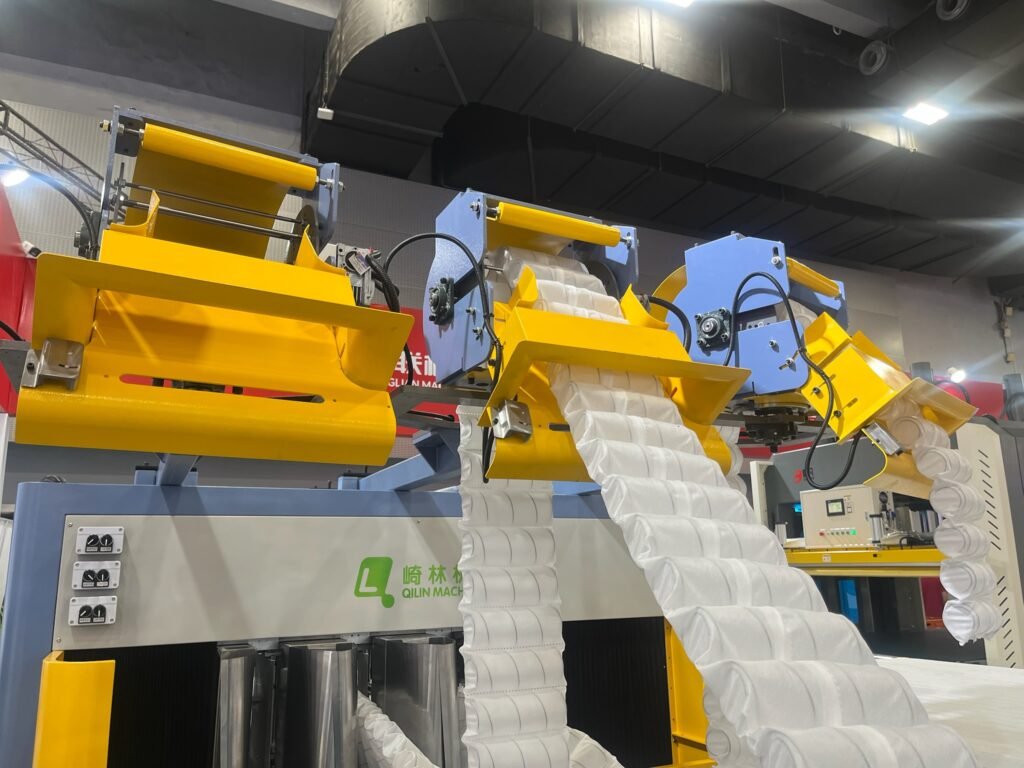
What Automatic Mattress Flipping Actually Means
cURL Too many subrequests.
cURL Too many subrequests. cURL Too many subrequests. cURL Too many subrequests.
cURL Too many subrequests.
cURL Too many subrequests.
cURL Too many subrequests.
cURL Too many subrequests.
cURL Too many subrequests.
cURL Too many subrequests.
cURL Too many subrequests.
cURL Too many subrequests.
cURL Too many subrequests.
cURL Too many subrequests.
cURL Too many subrequests.
cURL Too many subrequests.
cURL Too many subrequests.
cURL Too many subrequests.
cURL Too many subrequests.
cURL Too many subrequests.

cURL Too many subrequests.
cURL Too many subrequests.
cURL Too many subrequests.
cURL Too many subrequests.
cURL Too many subrequests.
cURL Too many subrequests.
cURL Too many subrequests.
cURL Too many subrequests.
cURL Too many subrequests.
cURL Too many subrequests.
cURL Too many subrequests.
cURL Too many subrequests.
cURL Too many subrequests.
cURL Too many subrequests.
cURL Too many subrequests.
cURL Too many subrequests.
cURL Too many subrequests.
cURL Too many subrequests.
cURL Too many subrequests.
cURL Too many subrequests.
cURL Too many subrequests.
cURL Too many subrequests.
(2) Temporary replacements are needed
(3) Productivity drops
Automatic flipping eliminates most heavy lifting, reducing injury risk and the associated hidden labor costs.
Over time, this contributes significantly to effective labor reduction.
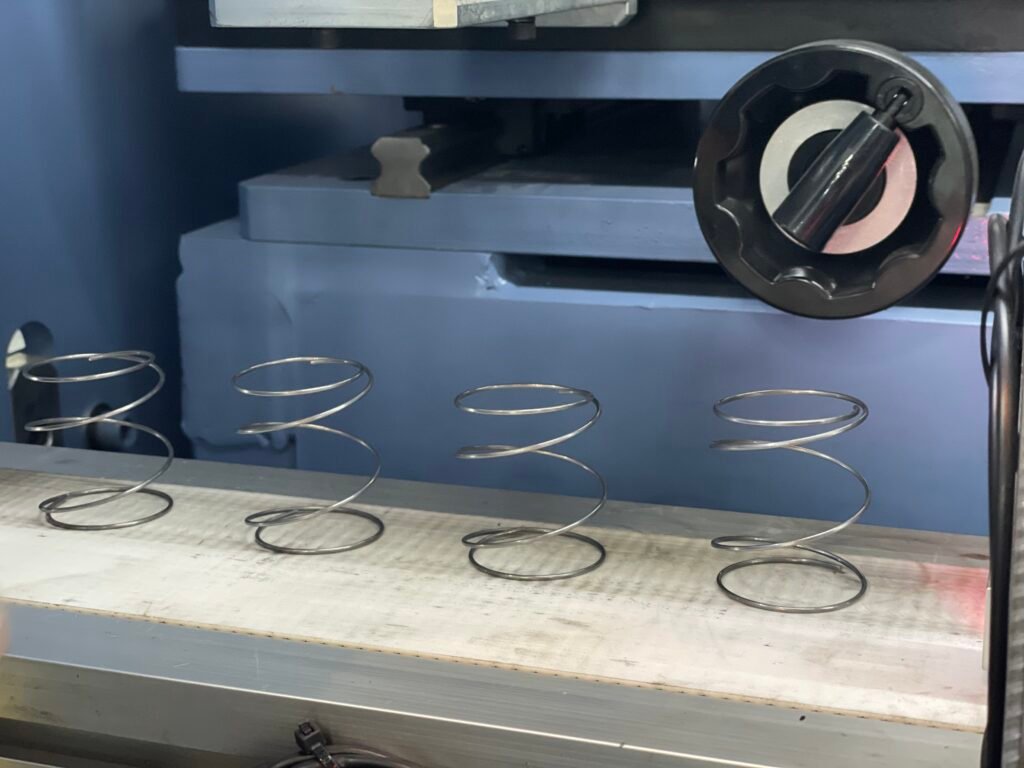
Stability and Rhythm: Why Automation Multiplies Labor Efficiency
Human flipping introduces variability.
Speed fluctuates, alignment changes, and fatigue affects performance.
Automatic flipping provides:
(1) Constant cycle times
(2) Uniform motion paths
(3) Predictable handoff to the next process
This stability allows the entire line to run with fewer buffer workers and less supervision.
Labor efficiency increases not because people work faster, but because the system works consistently.
Integration with Fully Automated Tape Edge and Packaging Lines
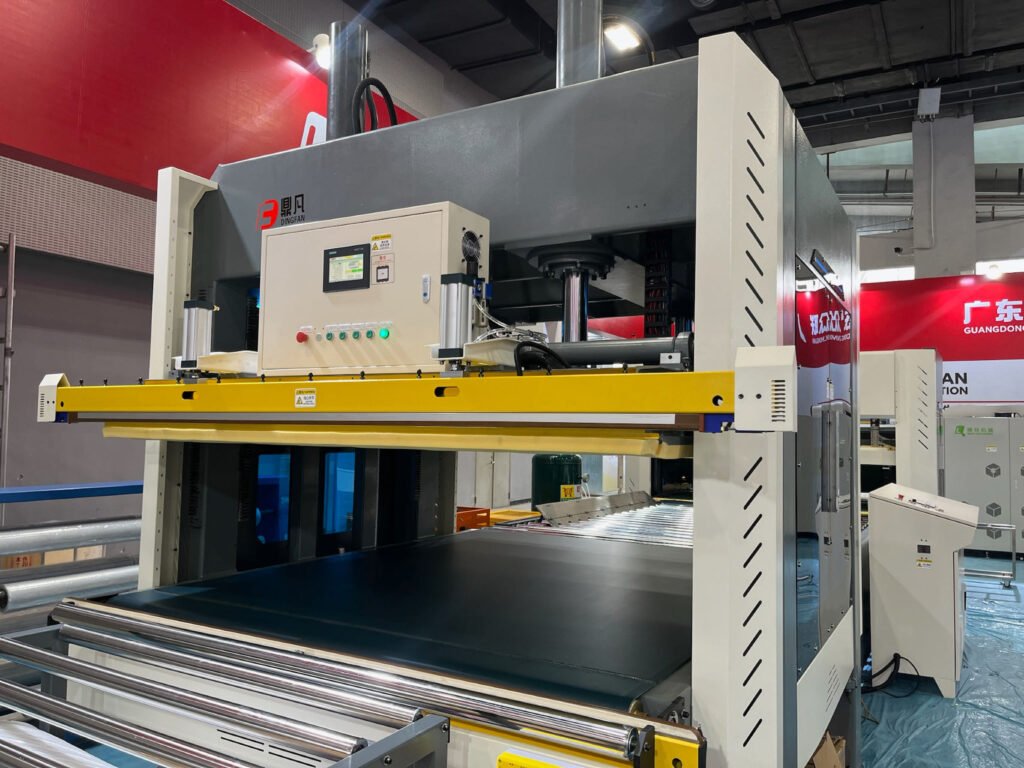
Automatic flipping delivers its maximum value when integrated with other automated systems.
In modern mattress factories, flipping is often combined with:
(1) Fully automatic tape edge machines
(2) Automatic conveyors
(3) Stacking and packaging systems
This integration transforms manual production islands into continuous automated lines.
More information about integrated automation concepts can be found internally at:
https://mattressmachineryzl.com/
Long-Term Workforce Structure Benefits
Reducing labor by 50 percent does not mean eliminating half the workforce overnight.
It means reshaping how labor is used.
cURL Too many subrequests.
(1) Fewer workers are required per shift
(2) Training time is reduced
(3) Physical workload decreases
(4) Employee retention improves
Factories become less dependent on physically strong workers and more focused on system supervision.
This is especially valuable in regions facing labor shortages or aging workforces.
Summary Table: Labor Impact of Automatic Mattress Flipping
Evaluation Area | Manual Flipping | Automatic Flipping System
Workers required per station | 2–4 | 0–1
Physical workload | Very high | Minimal
Process rhythm | Variable | Stable
Injury risk | High | Very low
Indirect correction labor | Frequent | Rare
Overall labor reduction | Limited | Up to 50%
Why Labor Reduction Reaches 50 Percent in Real Factories
The 50 percent labor reduction figure is not theoretical.
It is achieved when automatic flipping is combined with process redesign.
Key conditions include:
cURL Too many subrequests.
cURL Too many subrequests.
cURL Too many subrequests.
cURL Too many subrequests.
cURL Too many subrequests.
cURL Too many subrequests.
cURL Too many subrequests.
cURL Too many subrequests.
cURL Too many subrequests.
cURL Too many subrequests.
cURL Too many subrequests.
 Malayalam
  English
  Vietnamese
  Spanish
  German
  French (France)
  French (Canada)
  Japanese
  German (Austria)
  Tibetan
  Danish
  Indonesian
  Frisian
  Greek
Greek  Javanese
  Macedonian
  Galician