 ལུས་སྤྱོད་ལ་འགྱོ
མེ་ལོང་སྤྱི་སྤྱོད་ལོངས་སྤྱོད་ལས་ཀ་ག་རེ་ཡོད་རེད།
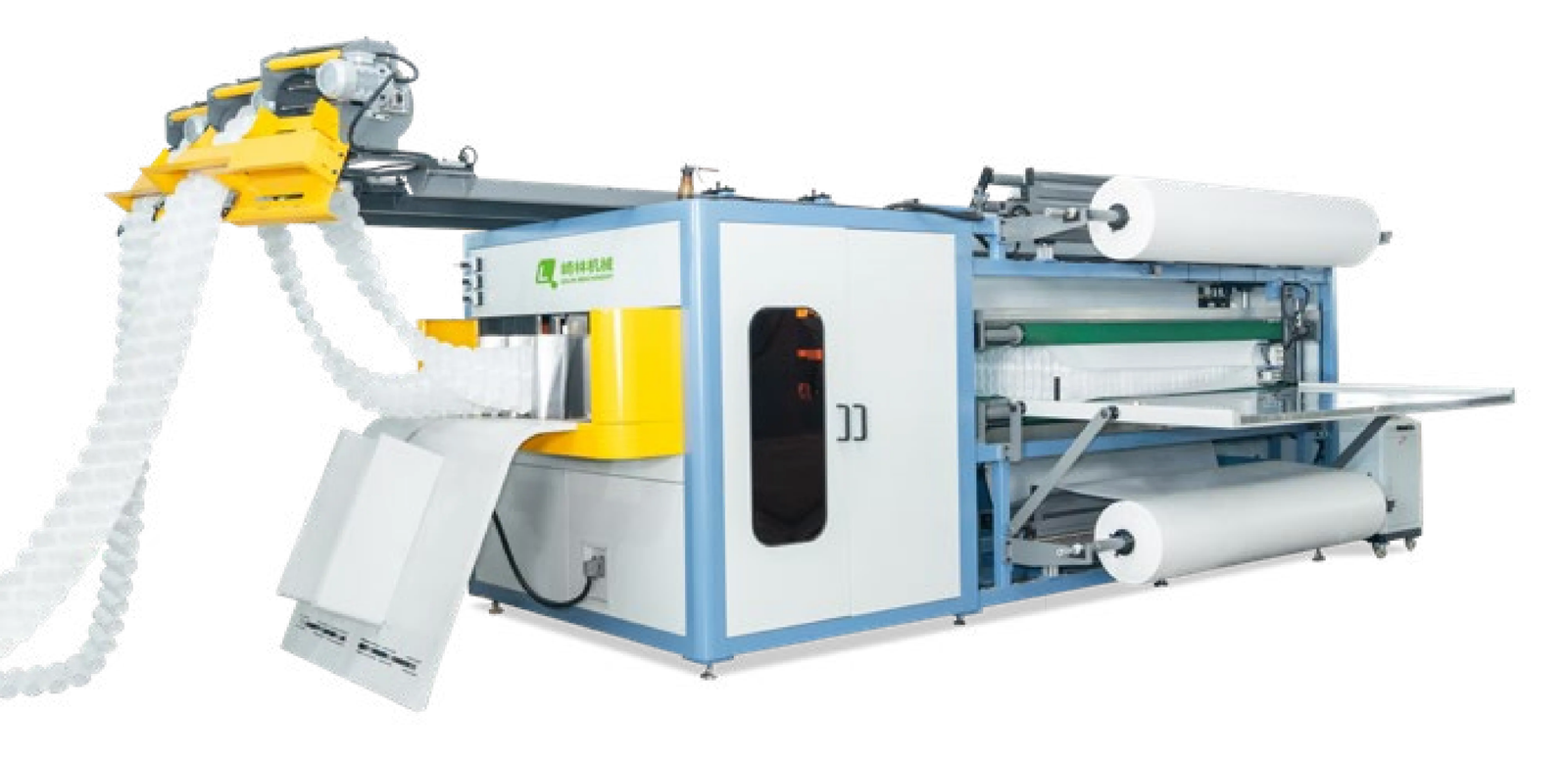

In the mattress industry, the type of spring used in a mattress is key to determining its comfort and durability. Mattress spring machines are essential tools for manufacturers, helping to create the different types of springs used in various mattress designs. Understanding the different kinds of mattress spring machines can help mattress producers make informed decisions about which machines to invest in. This article will provide an overview of several types of mattress spring machines and their unique features, including the Bonnell spring machine, pocket spring machine, continuous coil machine, and more.
བྷོན་ནེལ་དཔྱིད་ཀྱི་འཕྲུལ་ཆས།
Bonnell spring machines have been a cornerstone in mattress manufacturing for years. These machines are used to produce the traditional hourglass-shaped Bonnell springs, which are known for their durability and cost-effectiveness. The shape of the Bonnell spring allows for even weight distribution, providing firm support across the mattress.
The production process involves winding steel wire into an hourglass shape and connecting them with a helical wire. These machines are capable of high-speed production, making them ideal for manufacturers aiming for mass production at an affordable cost. Bonnell springs are commonly used in budget-friendly mattresses, yet they provide the essential support needed for a good night’s sleep.
Spring སྤོག་མའི་ནང་སྤྲིང་འཕྲུལ་ཆས།
The pocket spring machine produces individually wrapped springs, which offer superior support compared to traditional springs. Each pocket spring is encased in its fabric pocket, allowing the spring to move independently of the others. This unique feature reduces motion transfer, making pocket spring mattresses a popular choice for couples.
The machine works by winding coils into individual pockets, which are then sewn or glued together. These machines require precise technology to ensure each spring functions independently, contributing to better body contouring and comfort. As a result, pocket spring machines are primarily used for high-end mattresses designed to provide customized support and long-lasting durability.
Single Line vs. Dual Line vs. Multi-Zone Pocket Spring Machines
When it comes to pocket spring machines, manufacturers can choose between single line, dual line, and multi-zone models—each type offering its own advantages depending on production needs and mattress design requirements.
Single Line Pocket Spring Machines
Single line pocket spring machines are designed for straightforward and efficient production. These machines manufacture springs one row at a time, making them well-suited to factories that prioritize steady, consistent output while keeping maintenance and operation simple. With single line machines, it’s easy to adjust settings or quickly change spring specifications, making them a flexible choice for manufacturers who work with a variety of mattress types or wish to keep costs manageable.
Dual Line Pocket Spring Machines
For those looking to ramp up production without doubling floor space or staff, dual line pocket spring machines make a logical next step. They produce two lines of pocket springs simultaneously, effectively boosting output without sacrificing quality. Dual line models are especially beneficial for manufacturers with higher production targets, as they combine speed with reliability—each spring is still carefully individually wrapped, ensuring quality remains uncompromised even as volume increases.
Multi-Zone Pocket Spring Machines
Multi-zone pocket spring machines bring advanced customization into mattress manufacturing. These machines allow for the creation of mattresses with distinct zones—such as firmer areas under the hips and softer sections under the shoulders—tailored to provide targeted support across the body. By adjusting the tension or thickness of springs within a single unit, manufacturers can meet growing consumer demand for ergonomic and personalized sleep solutions, setting their products apart in a competitive market.
Each of these pocket spring machine types fulfills a unique role in the manufacturing process, helping mattress producers choose the ideal technology for their production scale and the types of mattresses they wish to offer.
Multi-Zone Pocket Spring Machines
Multi-zone pocket spring machines offer a new level of versatility for mattress manufacturers aiming to meet increasingly personalized consumer demands. Unlike standard pocket spring machines, these advanced systems can produce mattresses with targeted support zones—such as firmer coils beneath the lumbar region and softer springs under the shoulders and legs. This zoning allows for customized comfort and ergonomic support, adapting to the body’s natural curves.
The ability to vary spring tension and firmness within a single mattress provides noticeable benefits:
- Enhanced Comfort: Different sections of the mattress can be tailored to specific areas of the body, resulting in better spinal alignment and pressure relief.
- Greater Design Flexibility: Manufacturers can create a portfolio of mattresses catering to a wide variety of sleeping preferences and body types.
- Competitive Edge: Offering customized multi-zone support is an attractive selling point that can distinguish a product in a crowded marketplace.
Multi-zone pocket spring machines are especially valuable for premium mattress lines, making it possible to deliver truly personalized sleep solutions that conventional spring units cannot match.
Dual Line Pocket Spring Machines
Dual line pocket spring machines are designed to elevate both productivity and precision in mattress manufacturing. By operating two production lines simultaneously, these machines can produce twice the number of pocket springs within the same timeframe compared to traditional single-line machines.
The dual line setup ensures that each spring is formed, encased, and assembled with consistent accuracy, maintaining high standards for quality control. Additionally, advanced automation minimizes human error, resulting in uniformly fabricated pocket springs that contribute to a consistently comfortable mattress.
For manufacturers looking to scale their operations while retaining dependable craftsmanship, dual line pocket spring machines offer a streamlined solution that balances efficiency and the meticulous demands of high-end mattress production.
Dual Line Pocket Spring Machines
Dual line pocket spring machines are designed to elevate both productivity and precision in mattress manufacturing. By operating two production lines simultaneously, these machines can produce twice the number of pocket springs within the same timeframe compared to traditional single-line machines.
The dual line setup ensures that each spring is formed, encased, and assembled with consistent accuracy, maintaining high standards for quality control. Additionally, advanced automation minimizes human error, resulting in uniformly fabricated pocket springs that contribute to a consistently comfortable mattress.
For manufacturers looking to scale their operations while retaining dependable craftsmanship, dual line pocket spring machines offer a streamlined solution that balances efficiency and the meticulous demands of high-end mattress production.
Multi-Zone Pocket Spring Machines
Multi-zone pocket spring machines are designed to enhance mattress customization by allowing manufacturers to create springs with different firmness levels within a single mattress. This approach divides the mattress into zones—such as head, shoulders, hips, and legs—each tailored to deliver the precise level of support needed for various parts of the body.
By adjusting the tension or gauge of the wire in each section during production, these machines enable the creation of zoned support systems. For example, firmer coils can be used in the lumbar area for added back support, while softer coils are placed in the shoulder and leg zones for greater comfort. This technology is especially valuable for consumers looking for mattresses that provide targeted pressure relief and improved ergonomic alignment.
Overall, multi-zone pocket spring machines empower manufacturers to cater to a diverse range of sleep preferences and body types, making it possible to offer mattresses with truly individualized comfort profiles.
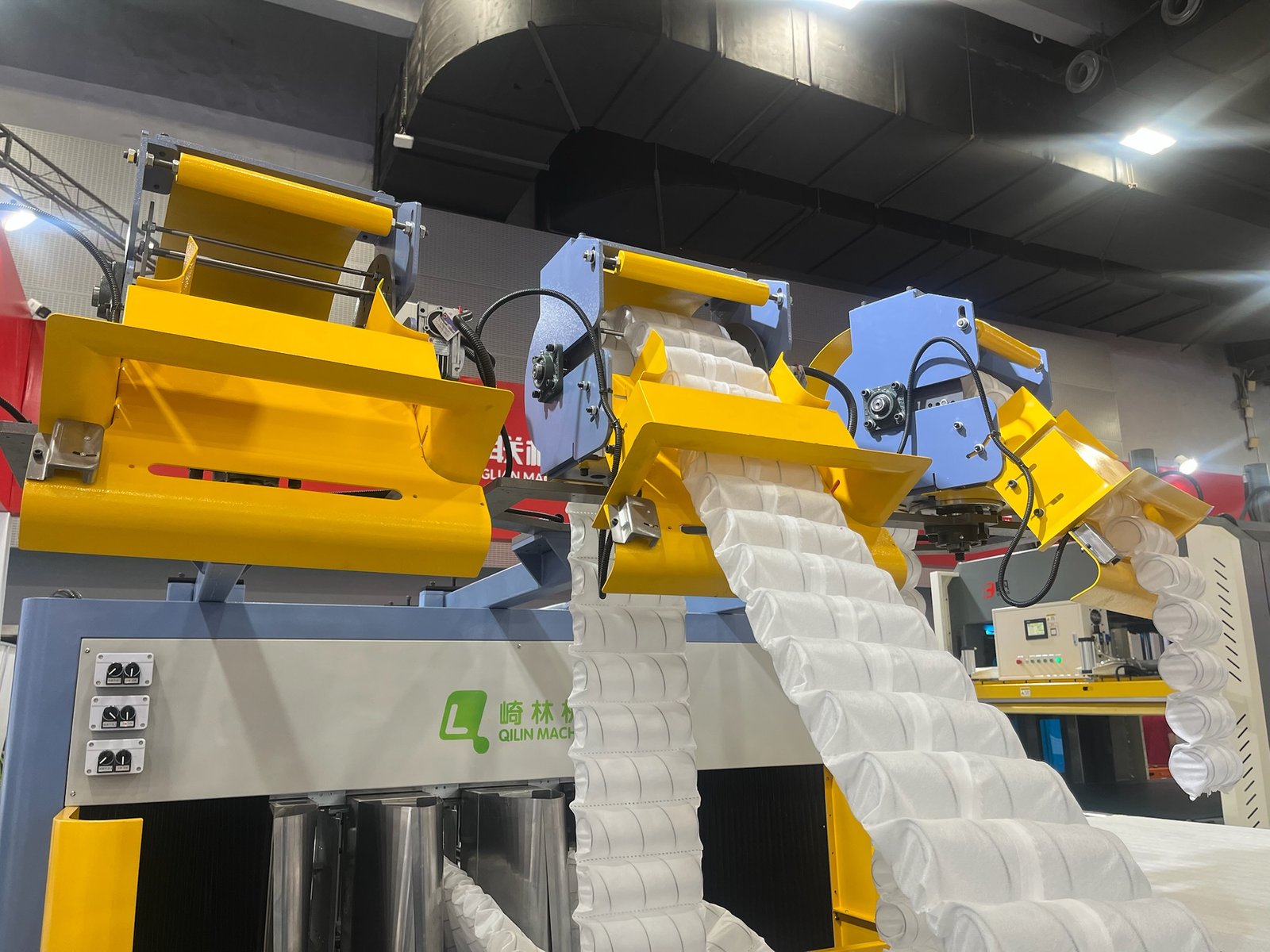
Variations in Pocket Spring Machines: Single Line, Dual Line, and Multi-Zone
As mattress technology continues to advance, manufacturers can choose from several variations of pocket spring machines to meet different production goals and design needs. The main options are single line, dual line, and multi-zone pocket spring machines. Each comes with distinct advantages:
- Single Line Pocket Spring Machines:
These machines produce pocket springs one row at a time, making them a straightforward and reliable choice for factories that want simplicity and solid performance. Single line machines are ideal for manufacturers focusing on moderate production volumes, delivering consistent quality without overly complex setup or maintenance requirements. - Dual Line Pocket Spring Machines:
For those seeking to boost productivity, dual line machines manufacture two rows of pocket springs simultaneously. This effectively doubles output without compromising on precision, making them well-suited for larger operations or businesses looking to scale up their production speed. Dual line technology ensures that the springs remain uniform and well-encased, supporting high standards of mattress construction. - Multi-Zone Pocket Spring Machines:
In response to the growing demand for greater comfort and targeted support, multi-zone machines allow manufacturers to produce mattresses with zones of varied firmness. These machines adjust spring tension or coil configuration within different sections of the pocket spring unit, tailoring support for the shoulders, hips, lower back, or legs. This versatility is especially valuable for mattress brands focused on customization and ergonomic design.
With these different machine types, manufacturers can select the equipment best aligned with their specific production needs—whether that’s boosting speed, maintaining simple workflows, or crafting highly customized mattresses for demanding consumers.
Dual Line Pocket Spring Machines
Dual line pocket spring machines are engineered to significantly boost productivity and maintain exceptional precision in mattress manufacturing. By operating two production lines simultaneously, these machines can produce twice as many pocket springs compared to single-line models—without compromising on quality.
cURL Too many subrequests.
cURL Too many subrequests.
cURL Too many subrequests.
cURL Too many subrequests.
- cURL Too many subrequests. cURL Too many subrequests.
- cURL Too many subrequests. cURL Too many subrequests.
- cURL Too many subrequests. cURL Too many subrequests.
- cURL Too many subrequests. cURL Too many subrequests.
cURL Too many subrequests.
རྒྱུན་མཐུད་དཔྱིད་ཀྱི་འཕྲུལ་ཆས།
cURL Too many subrequests.
cURL Too many subrequests.
cURL Too many subrequests.
cURL Too many subrequests.
cURL Too many subrequests.
cURL Too many subrequests.
cURL Too many subrequests.
cURL Too many subrequests.
cURL Too many subrequests.
cURL Too many subrequests.
cURL Too many subrequests.
cURL Too many subrequests.
cURL Too many subrequests.
cURL Too many subrequests.
cURL Too many subrequests.
cURL Too many subrequests.
cURL Too many subrequests.
cURL Too many subrequests.
cURL Too many subrequests.
cURL Too many subrequests.
cURL Too many subrequests. cURL Too many subrequests. དང། cURL Too many subrequests., cURL Too many subrequests.
cURL Too many subrequests.
- cURL Too many subrequests.
- cURL Too many subrequests.
- cURL Too many subrequests.
cURL Too many subrequests.
cURL Too many subrequests.
Modern mattress manufacturing goes well beyond just forming springs. A truly efficient production line includes an array of specialized equipment to address every step, from fabric handling to final packaging. Here are some of the most commonly used machines:
འཚེམ་དྲུབ་འཕྲུལ་ཆས།
Quilting machines are indispensable for creating the signature stitched patterns on mattress covers. These come in various forms—like computerized chain stitch or multi-functional quilting machines—and can handle intricate designs with speed and precision. Quilting not only improves the mattress’s visual appeal but also secures the comfort layers, enhancing durability.
Foam Cutting and Splitting Machines
To achieve precise measurements and shapes, foam cutting machines (such as carrousel splitting machines) allow manufacturers to slice foam blocks into uniform layers or components. The precision ensures that each mattress has consistent comfort and performance.
Panel Cutting and Trimming Machinery
Once quilting is complete, panel cutting machines take over to accurately cut and trim fabric or finished panels, preparing them for assembly. Automatic crosscut and edge trimming units help maintain speed and uniformity across high production runs.
Sewing and Flanging Machines
Sewing machines—ranging from double-heads units to automated tape edge machines—are crucial for joining mattress components and sewing the borders or edges. Flanging machines specifically add a finished edge to borders or other layers, helping keep everything neatly in place.
Mattress Assembly and Packing Machines
After assembly, dedicated packing machines step in. Some units automatically compress, roll, and wrap mattresses, making them easier and more cost-effective to ship. High-speed packing systems streamline logistics and enhance product protection during transit.
By integrating these machines, mattress manufacturers can produce mattresses that not only look great but stand up to the demands of varying consumer expectations for comfort, durability, and value.
Advancements in High-Speed and Computerized Spring Machines
Modern mattress manufacturing has been transformed by the introduction of high-speed and computerized spring machines, setting them apart from traditional manual and semi-automatic options in several key ways.
1. Enhanced Production Speed and Efficiency
High-speed machines can manufacture spring units at a far greater pace than conventional models, dramatically boosting output without compromising on the quality of the springs. This increased efficiency not only allows for larger production volumes but also reduces manufacturing lead times—an advantage for manufacturers responding to shifting market demands.
2. Superior Precision and Consistency
Computerized spring machines use advanced control systems to monitor and adjust every stage of the process. The result is remarkable precision, with each coil or unit manufactured to exact specifications. This precision translates to mattresses that consistently deliver the targeted level of firmness, support, and comfort—ensuring every product meets the same high standards.
3. Automated Adjustments and Customization
Unlike traditional machines that often demand manual intervention for changes in spring size, coil count, or firmness, computerized systems enable rapid, on-the-fly adjustments. With programmable settings, operators can switch between mattress types or specifications quickly, streamlining production while minimizing downtime.
4. Reduced Labor and Operational Costs
Automation means less reliance on manual labor for both operation and quality control. Built-in diagnostics and self-monitoring features in computerized machines help reduce errors and material waste, ultimately lowering production costs and making efficiency gains attainable at every stage.
5. Flexible and Scalable Production
High-speed and computerized machines are designed to be scalable. Whether a manufacturer is producing standard Bonnell, offset coils, or advanced pocket springs, these machines can handle diverse requirements seamlessly, making them well-suited for both large-scale facilities and specialized small-batch operations.
By integrating advanced technology and automation into their operations, mattress manufacturers benefit from higher output, reliable quality, and the flexibility needed to innovate or tailor products to various consumer needs.
Additional Machinery for Mattress Production
Beyond spring machines, mattress manufacturing relies on a variety of specialized equipment to ensure each layer is precise, durable, and comfortable. These additional machines cover every stage of production—from shaping foam to expertly finishing the mattress for delivery.
Foam Cutting and Processing Machines
Modern foam cutting machines, such as carrousel splitters and CNC foam saws, make it easy to customize foam thickness and shape with pinpoint accuracy. These systems can handle complex profiles—think of egg-crate toppers or contoured foam layers—ensuring each mattress gets the right support and comfort zones. Automatic box foaming machines streamline the initial foam production, providing consistent density and minimizing waste.
Quilting and Layering Equipment
Quilting machines, both in chain stitch and lock stitch configurations, play a pivotal role in adding plushness and breathability to the top layers. These computerized quilting systems create intricate patterns and help secure fibers in place for a premium finish. Quilted fabric stacking machines further simplify the workflow by organizing completed panels for assembly, speeding up overall production.
Sewing and Edge Finishing Machines
Sewing technology has evolved dramatically, with specialized mattress flanging and tape edge machines designed to reinforce seams and provide a polished appearance. Some models are equipped with double-heads or high-speed capabilities, allowing operators to process thick fabrics or tight curves efficiently. For panel assembly, crosscut slitting and edge trimming machines ensure each piece fits perfectly—no jagged edges or misalignments.
Packing and Wrapping Solutions
Once a mattress is crafted, packing machines—such as automatic roll packers and compression baggers—take over to prepare the product for shipment. These machines keep mattresses safe, compact, and easy to transport. Some advanced systems even wrap and seal mattresses in protective film at high speed, further reducing manual labor and ensuring a pristine product upon arrival.
Whether you’re producing luxury hybrids or sturdy budget options, these auxiliary machines are the unsung heroes of the factory floor, working together to deliver a finished product that’s ready to rest on.
Importance of Industry Collaboration and Standards Compliance
Participation in industry collaborations and adherence to international standards are essential for mattress spring machine manufacturers seeking to maintain competitiveness and credibility in the global market. By engaging with organizations such as the International Organization for Standardization (ISO) or cURL Too many subrequests., manufacturers ensure that their machines meet rigorous safety, quality, and performance benchmarks recognized worldwide.
Industry collaboration fosters the sharing of best practices and innovative approaches, driving continuous improvement across the sector. This not only encourages the development of cutting-edge technologies but also helps manufacturers stay ahead of regulatory changes and emerging market demands. For example, compliance with ISO 9001 can signal to customers that a manufacturer maintains consistent quality management systems, while working with trade groups like the International Sleep Products Association (ISPA) cURL Too many subrequests.
cURL Too many subrequests.
མཇུག་སྡོམ།
cURL Too many subrequests.
 Tibetan
  English
  Vietnamese
  Spanish
  German
  French (France)
  French (Canada)
  Japanese
  German (Austria)
  Danish
  Malayalam
  Indonesian
  Frisian
  Greek
Greek  Javanese
  Macedonian
  Galician