 ལུས་སྤྱོད་ལ་འགྱོ
खिस्सा वसन्त मेसिनहरूको दक्षता प्रभावित गर्ने पाँच मुख्य कारकहरू →
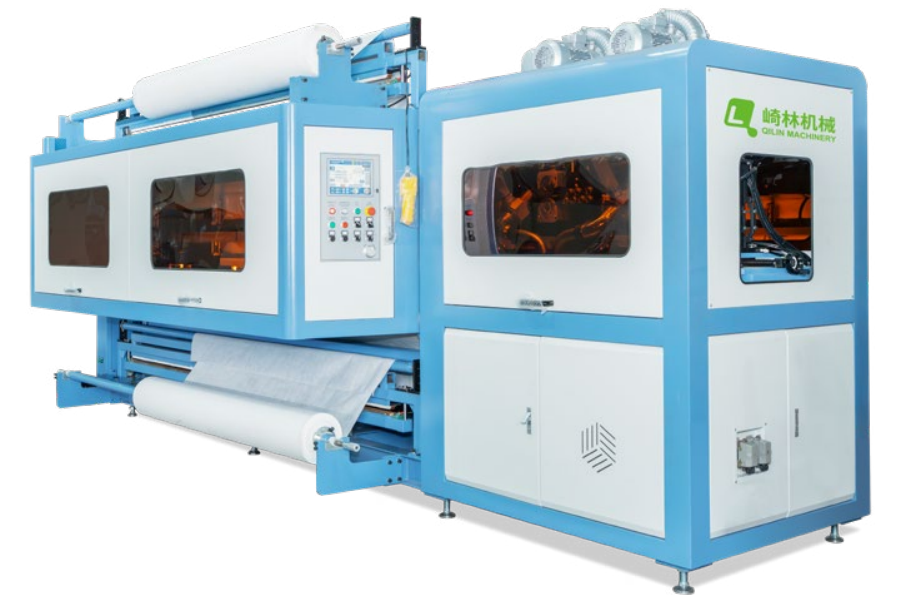
Across the mattress manufacturing industry, pocket spring machines stand at the center of productivity. They determine how many mattresses a factory can produce, how stable the quality remains across shifts, and how competitive a factory can be in a rapidly evolving global market. When I evaluate production lines, the performance of the pocket spring machine is often the single strongest indicator of whether a factory is achieving its output goals or falling behind. Factories that succeed typically understand one thing: efficiency is not driven by speed alone, but by multiple interconnected engineering and operational factors.
Over the years, after observing dozens of factories in Asia, Europe, and the Americas, I have identified five core factors that consistently determine how efficient a pocket spring machine can be. These include coil precision, material feeding, ultrasonic welding performance, machine stability, and operator interaction with automation systems. When these five elements are optimized, the entire spring production process becomes smoother, output increases significantly, and material waste decreases.
In this article, I will examine each factor in depth, explain how they influence real production performance, and share insights from factories I have worked with. I will also provide a comparative table summarizing efficiency outcomes across different setups. For factory owners seeking to improve throughput or planning investments in new equipment, these five factors should guide every decision.
Why Pocket Spring Machine Efficiency Matters
The efficiency of a pocket spring machine affects the entire mattress production chain. When springs are inconsistent or production speed fluctuates, downstream processes such as gluing, unit assembly, tape edging, and packaging suffer. I have worked with factories where a single unstable spring line slowed down three subsequent production stations, creating bottlenecks that increased labor usage, raised material consumption, and extended delivery times.
Conversely, when spring production is stable and fast, factories experience:
- Higher daily output
- Lower reject rates
- Fewer operator interventions
- Better mattress consistency
- Stronger global competitiveness
Efficiency determines not only factory performance but also profitability. This is why understanding the five factors below is crucial.
(1)Precision of Coil Forming
The coil-forming stage is the foundation of pocket spring production. If the coils are not perfectly shaped, nothing downstream can correct the defect. Coil precision includes parameters such as:
- wire tension
- pitch accuracy
- spring height consistency
- diameter stability
- heat treatment uniformity
One factory I visited used an older coiling head with inconsistent tension control. Even though the machine operated at a reasonable speed, the spring heights varied by several millimeters. This small deviation caused major downstream problems: the fabric pockets misaligned, welding quality dropped, and the final units were uneven. The factory lost nearly 5% of its daily production due to rework.
Modern machines rely on servo-driven CNC coiling systems that maintain precise control. These systems eliminate small fluctuations that older mechanical heads cannot handle. When coil precision improves, several positive effects occur:
- less fabric waste
- fewer rejected springs
- cleaner welding lines
- smoother insertion into the pocket chain
- higher mattress stability
Precision directly correlates with machine efficiency.
(2)Stability of Wire Feeding and Tension Control
If coil precision is the foundation, wire feeding stability is the engine behind it. Wire tension determines spring geometry more than most factors, yet many factories underestimate its importance. Poor tension control results in:
- inconsistent coil tightness
- variable pitch angles
- distorted spring shapes
- increased reject rates
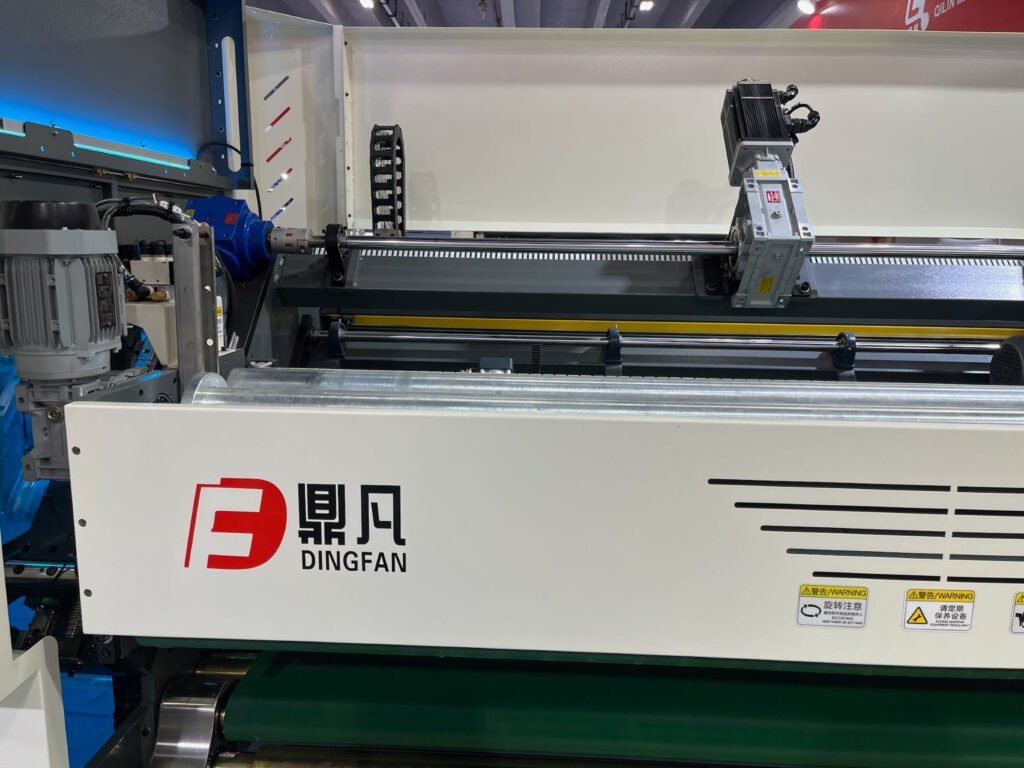
When I monitored one factory’s spring line for an entire shift, I observed frequent tension spikes because of worn feeding rollers. These spikes created springs that were too rigid or too loose, forcing operators to intervene repeatedly. The machine technically had a speed of 160 springs per minute, but due to constant interruptions, its effective output fell closer to 115 springs per minute.
Modern pocket spring machines use:
- servo-driven wire feeders
- automatic tension monitoring
- adaptive torque adjustment
- cURL Too many subrequests.
cURL Too many subrequests.
cURL Too many subrequests.
cURL Too many subrequests.
cURL Too many subrequests.
- cURL Too many subrequests.
- cURL Too many subrequests.
- cURL Too many subrequests.
- cURL Too many subrequests.
- cURL Too many subrequests.
cURL Too many subrequests.
cURL Too many subrequests.
- cURL Too many subrequests.
- cURL Too many subrequests.
- cURL Too many subrequests.
- cURL Too many subrequests.
- cURL Too many subrequests.
cURL Too many subrequests.
- cURL Too many subrequests.
- cURL Too many subrequests.
- cURL Too many subrequests.
- cURL Too many subrequests.
cURL Too many subrequests.
cURL Too many subrequests.
cURL Too many subrequests.
cURL Too many subrequests.
- cURL Too many subrequests.
- cURL Too many subrequests.
- cURL Too many subrequests.
- cURL Too many subrequests.
- cURL Too many subrequests.
- cURL Too many subrequests.
cURL Too many subrequests.
cURL Too many subrequests.
- cURL Too many subrequests.
- cURL Too many subrequests.
- cURL Too many subrequests.
- cURL Too many subrequests.
- cURL Too many subrequests.
cURL Too many subrequests.
cURL Too many subrequests.
cURL Too many subrequests.
Automation affects:
- calibration
- tension adjustment
- defect detection
- material changeover
- error handling
- preventive maintenance alerts
I have seen two factories using the exact same machine model. One achieved significantly higher output simply because its team used automated settings correctly and relied less on manual adjustments. The machine was identical, but operational efficiency differed by nearly 20%.
Machines with advanced HMI interfaces, automated setup profiles, and fault detection systems consistently outperform manual configurations.
Performance Comparison Table: Low-Efficiency vs High-Efficiency Production Conditions
| Key Factor | Low-Efficiency Condition | High-Efficiency Condition | Resulting Impact |
|---|---|---|---|
| Coil Precision | Mechanical variation, pitch drift | CNC servo precision | Fewer rejects, better quality |
| Wire Feeding Stability | Manual tension, frequent slips | Automatic tension control | Stable spring shape |
| Ultrasonic Welding | Weak weld, misalignment | Controlled amplitude, stable weld | Lower fabric waste |
| Machine Stability | Speed drops during long runs | Sustained speed with servo systems | دەرەنجامی کاری زۆر باشتر |
| Automation Level | ལག་ལེན་འབྲེལ་ལམ་སྤྱོད་མི་འབྲེལ་ལམ་ལག་ལེན་འབྲེལ་ལམ་ལས་སྤྱོད་མི་འབྲེལ་ལམ་ལག་ལེན་འབྲེལ་ལམ་ལས་སྤྱོད་མི་འབྲེལ་ལམ་ལག་ལེན་འབྲེལ་ལམ་ལས་སྤྱོད་མི་འབྲེལ་ལམ་ལག་ལེན་འབྲེལ་ལམ་ལས་སྤྱོད་མི་འབྲེལ་ལམ་ལག་ལེན་འབྲེལ་ལམ་ལས་སྤྱོད་མི་འབྲེལ་ལམ་ལག་ལེན་འབྲེལ་ལམ་ལས་སྤྱོད་མི་འབྲེལ་ལམ་ལག་ལེན་འབྲེལ་ལམ་ལས་སྤྱོད་མི་འབྲེལ་ལམ་ལག་ལེན་འབྲེལ་ལམ་ལས་སྤྱོད་མི་འབྲེལ་ལམ་ལག་ལེན་འབྲེལ་ལམ་ལས་སྤྱོད་མི་འབྲེལ་ལམ་ལག་ལེན་འབྲེལ་ལམ་ལས་སྤྱོད་མི་འབྲེལ་ལམ་ལག་ལེན་འབྲེལ་ལམ་ལས་སྤྱོད་མི་འབྲེལ་ལམ་ལག་ལེན་འབྲེལ་ལམ་ལས་སྤྱོད་མི་འབྲེལ་ལམ་ལག་ལེན་འབྲེལ་ལམ་ལས་སྤྱོད་མི་འབྲེལ་ལམ་ལག་ལེན་འབྲེལ་ལམ་ལས་སྤྱོད་མི་འབྲེལ་ལམ་ལག་ལེན་འབྲེལ་ལམ་ལས་སྤྱོད་མི་འབྲེལ་ལམ་ལག་ལེན་འབྲེལ་ལམ་ལས་སྤྱོད་མི་འབྲེལ་ལམ་ལག་ལེན་འབྲེལ་ལམ་ལས་སྤྱོད་མི་འབྲེལ་ལམ་ལག་ལེན་འ | Smart automation and monitoring | ལས་མཚམས་དུས་ཚོད་ཉུང་དུ་གཏོང་བ། |
Dive Deeper: How These Five Factors Interact
One of the most interesting things I discovered while studying pocket spring efficiency is how interconnected these five factors are. A problem in wire tension affects coil precision. Poor coil precision disrupts welding alignment. Bad welding causes pockets to tear. Tearing requires stoppages. Stoppages reduce output and cause operators to adjust settings, leading to further inconsistencies.
Efficiency issues rarely occur in isolation—they cascade.
By contrast, when all five factors are optimized:
- machine rhythm becomes stable
- waste drops sharply
- operators are less stressed
- downstream assembly improves
- mattress quality becomes more consistent
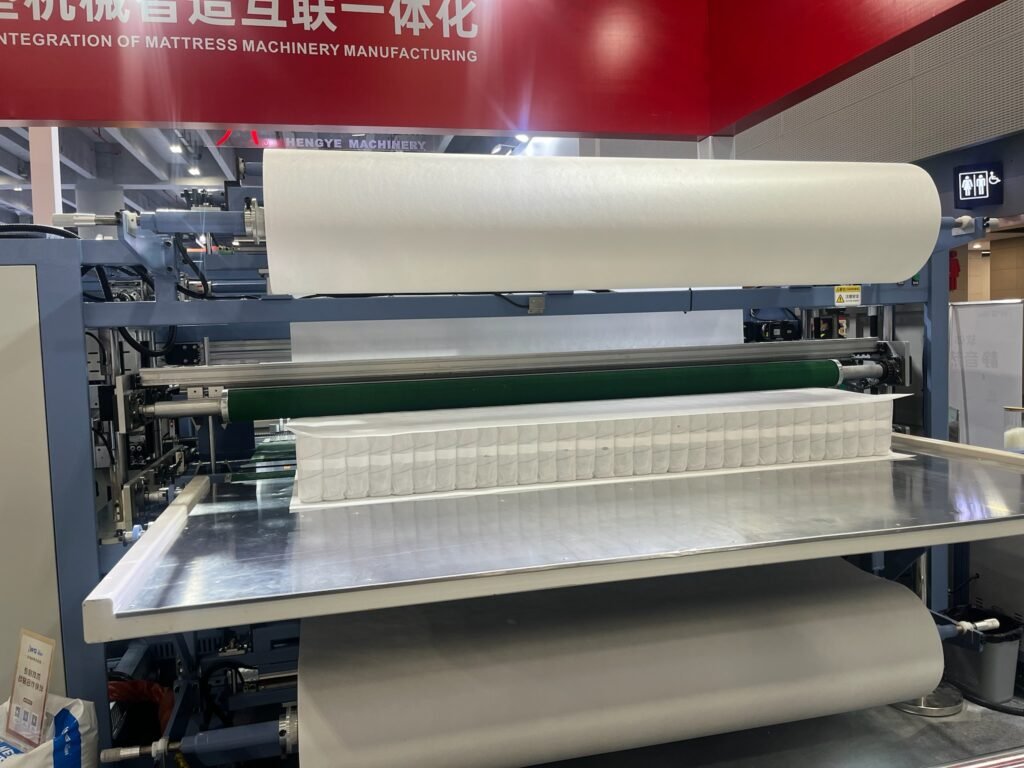
This creates a compounding benefit across the entire production line. A well-tuned pocket spring machine does not just improve spring output—it transforms the efficiency of the entire mattress factory.
cURL Too many subrequests.
cURL Too many subrequests.
cURL Too many subrequests.
cURL Too many subrequests.
cURL Too many subrequests.
cURL Too many subrequests.
cURL Too many subrequests.
cURL Too many subrequests.
cURL Too many subrequests.
cURL Too many subrequests.
cURL Too many subrequests.
cURL Too many subrequests.
cURL Too many subrequests.
cURL Too many subrequests.
cURL Too many subrequests.
cURL Too many subrequests.
 Tibetan
  English
  Vietnamese
  Spanish
  German
  French (France)
  French (Canada)
  Japanese
  German (Austria)
  Danish
  Malayalam
  Indonesian
  Frisian
  Greek
Greek  Javanese
  Macedonian
  Galician