
¿Cuál es el impacto ambiental de las máquinas de muelles para colchón?
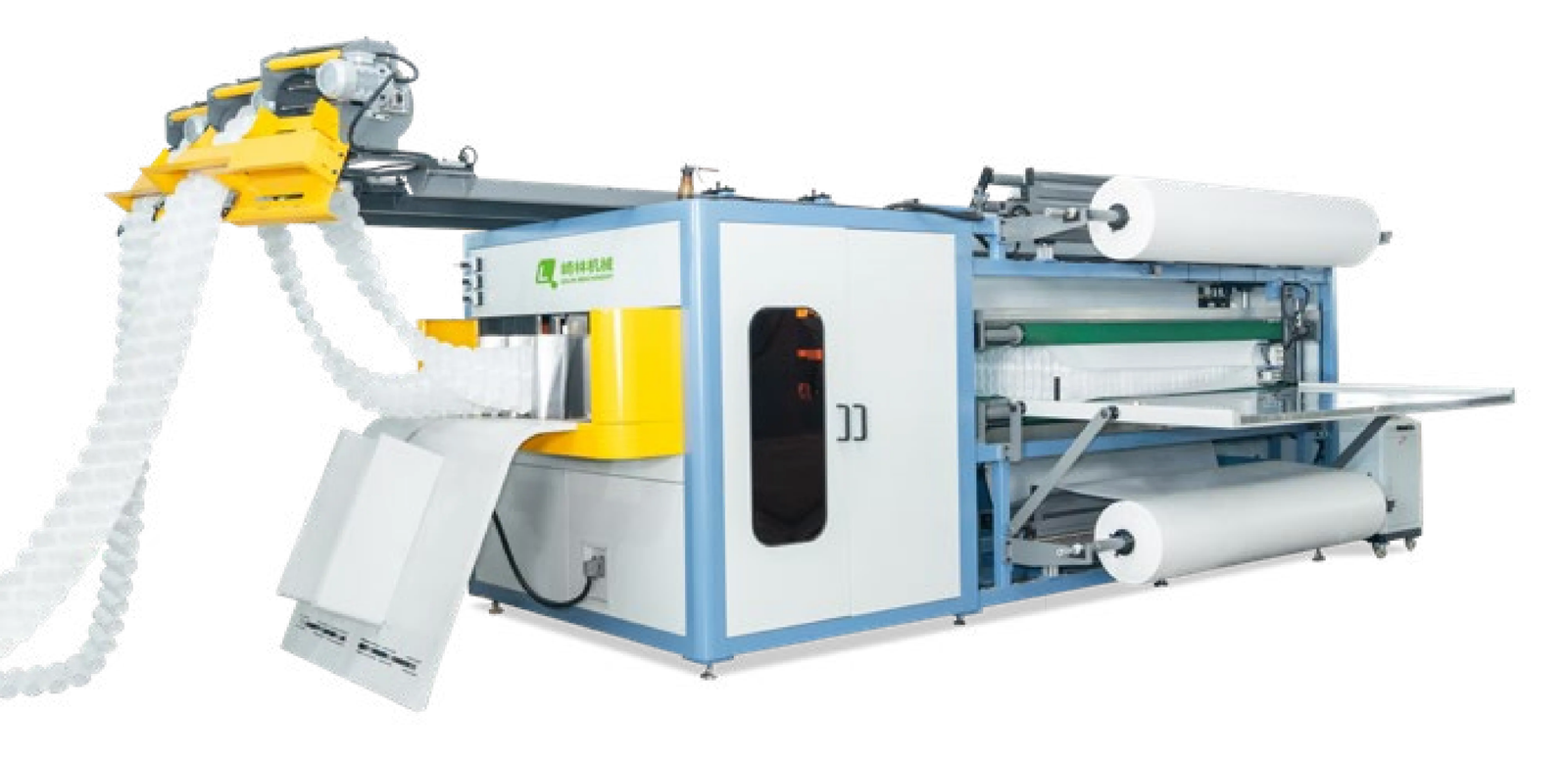
Mattress spring production may seem like a clean, technical process—but behind the scenes, it impacts energy use, resource extraction, and emissions.
Mattress spring machines contribute to deforestation, carbon emissions, and industrial waste—but improved technology, recycling, and smart operations can reduce their footprint.
Let’s take a closer look at the environmental costs, and how manufacturers can make smarter, greener choices.
How Does Raw Material Extraction Affect the Environment?
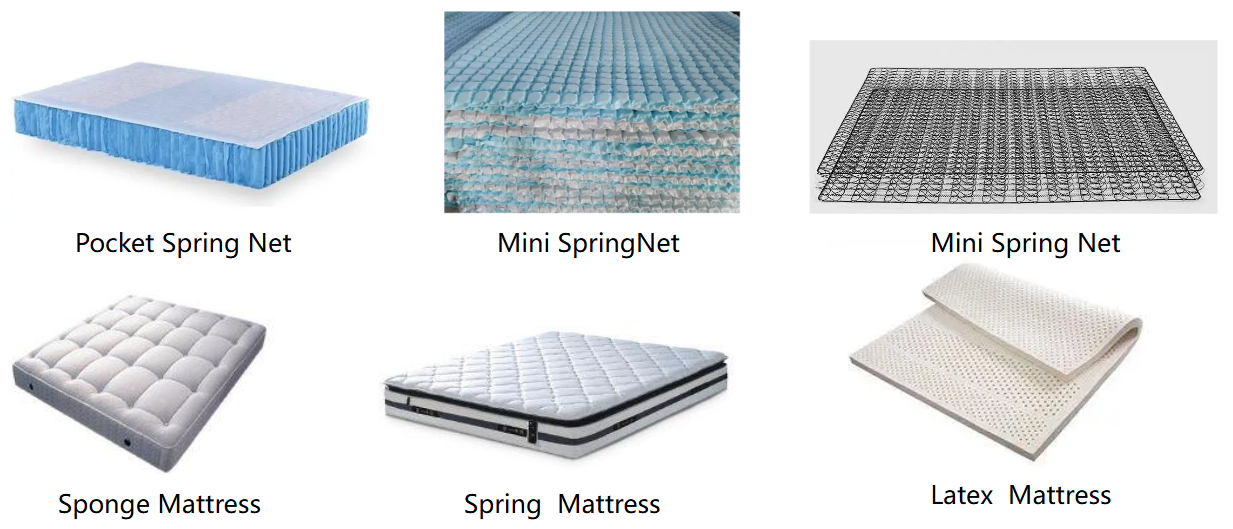
The majority of mattress springs are made from steel, which comes from iron ore—a material that has to be mined, smelted, and processed. This process isn’t light on the planet.
Environmental costs include:
- Deforestation and habitat loss
- Soil erosion and contamination
- Water pollution from mining runoff
- CO₂ emissions from steel production
Steelmaking is one of the largest global sources of industrial emissions. In countries with low environmental regulation, the damage is even greater.
Did you know?
Producing 1 ton of steel emits up to 1.85 tons of CO₂. That means even a modest spring mattress line contributes measurable carbon to the atmosphere.
How Much Energy Do Mattress Spring Machines Use?
Spring machines are heavy-duty, continuous-operation systems. They typically run 8–16 hours daily, consuming electricity for:
- Servo motors and control panels
- Wire feeding and cutting
- Pocket welding (ultrasonic or thermal)
- Air compressors and cooling
| Main sources of energy use: | Machine Operation | Energy Demand |
|---|---|---|
| Pocket spring coiling | Moderate-High | |
| Soldadura ultrasónica | Alto | |
| Compressed air systems | Alto | |
| Gluing and assembly | Moderado |
If powered by fossil fuels, these machines contribute significantly to the factory’s carbon footprint. Switching to solar or using energy-efficient motors can reduce emissions by 20–30%.
What Emissions Come from the Manufacturing Process?
Most of the emissions during spring production include:
- CO₂ from electricity use
- Volatile organic compounds (VOCs) from glue or lubricant fumes
- Particulate matter from metal cutting or welding
- Ozone-forming chemicals from some fabric treatments
cURL Too many subrequests.
cURL Too many subrequests.
cURL Too many subrequests.
- cURL Too many subrequests. cURL Too many subrequests.
- cURL Too many subrequests.
- cURL Too many subrequests.
- cURL Too many subrequests.
cURL Too many subrequests.
cURL Too many subrequests.
| Material | cURL Too many subrequests. |
|---|---|
| cURL Too many subrequests. | cURL Too many subrequests. |
| cURL Too many subrequests. | cURL Too many subrequests. |
| cURL Too many subrequests. | cURL Too many subrequests. |
cURL Too many subrequests.
cURL Too many subrequests.
cURL Too many subrequests.
- cURL Too many subrequests. cURL Too many subrequests.
- cURL Too many subrequests. cURL Too many subrequests.
- cURL Too many subrequests. cURL Too many subrequests.
cURL Too many subrequests.
cURL Too many subrequests.
cURL Too many subrequests.
- cURL Too many subrequests.
- cURL Too many subrequests.
- cURL Too many subrequests.
cURL Too many subrequests.
cURL Too many subrequests. cURL Too many subrequests. cURL Too many subrequests. cURL Too many subrequests.
cURL Too many subrequests.
cURL Too many subrequests.
- cURL Too many subrequests., cURL Too many subrequests.
- cURL Too many subrequests. can cause hearing damage
- Noise can also disturb local communities and wildlife
Adding soundproof walls, rubber isolators, and scheduled quiet hours can help reduce these effects.
What Does Lifecycle Analysis Tell Us?
A lifecycle analysis (LCA) tracks environmental impact from raw material to disposal. For mattress spring machines, this includes:
- Steel and component manufacturing
- Assembly and shipping
- Years of power use
- End-of-life dismantling and recycling
By designing machines that last longer, use less energy, and are easier to recycle, manufacturers can shrink their total lifecycle footprint.
Can Components Be Recycled or Reused?
Yes—but only with proper sorting and disassembly. Many parts are recyclable:
- Steel coils and frames → remelted for new steel
- Plastic fittings and wiring → separated and reused
- Fabric scraps → shredded for insulation or filler
Some older machines are even refurbished and resold, extending their useful life and avoiding landfill.
Are Sustainable Practices Being Adopted?
Forward-looking manufacturers now use:
- LED touch panels instead of older CRTs
- Servomotores that consume 20–40% less power
- Eco-friendly glues that emit fewer VOCs
- Packaging from recycled or compostable materials
Some also offset their emissions with carbon credits or renewable energy investment.
Conclusión
Mattress spring machines do impact the environment—but smart design, efficient use, and responsible recycling can make a difference.
 Spanish
  English
  Vietnamese
  German
  French (France)
  French (Canada)
  Japanese
  German (Austria)
  Tibetan
  Danish
  Malayalam
  Indonesian
  Frisian
  Greek
Greek  Javanese
  Macedonian
  Galician