
Differences and Selection Guidelines Between Fully Automatic and Semi-Automatic Gluing Machines

In mattress manufacturing, bonding pocket spring units is a decisive step that directly affects the final product’s stability, comfort, durability, and consistency. Over the years, I have visited mattress factories of different sizes—from small start-ups to large-scale industrial OEM plants—and I consistently find that the choice of gluing machine defines both production efficiency and product quality. Many factories still struggle with the question: Should they choose a fully automatic gluing machine or a semi-automatic one?
Both machines have clear advantages, but they serve very different production environments. Understanding their differences is crucial for making a strategic investment that supports growth, improves workflow, and increases profitability. Through my field observations, performance audits, and conversations with production managers, I have developed a clear framework for evaluating the differences and choosing the right model.
This article explains in detail how fully automatic and semi-automatic gluing machines differ, where each machine excels, what engineering designs drive those differences, and how to determine the best choice for your factory. A comparison table is included to simplify the decision-making process.
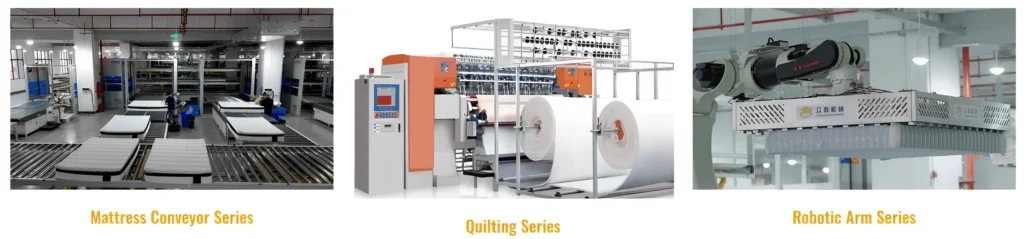
Why the Gluing Stage Matters in Mattress Production
Spring bonding plays a vital role in determining how well a mattress performs over time. Even if a factory produces high-quality pocket springs, poor bonding will create structural issues such as:
- misaligned rows
- internal noise
- spring displacement
- loss of firmness
- premature sagging
- uneven support
As consumer expectations rise, retailers demand more consistent internal structures. Therefore, gluing machines are no longer secondary equipment—they are core assets in modern mattress production lines.
From my experience, factories that invest in the correct gluing machine model typically achieve:
- increased production stability
- higher daily output
- reduced labor dependency
- lower glue consumption
- improved bonding consistency
- stronger market competitiveness
Understanding the differences between fully automatic and semi-automatic machines is the first step toward achieving these outcomes.
Engineering Overview: What Makes These Two Machine Types Different
Although both machine types aim to bond pocket spring rows, their internal engineering and operational behavior differ significantly. Below is a breakdown of what I typically observe when comparing the two.
(1) Automation Level
Fully automatic gluing machines automate nearly all steps:
- feeding the spring unit
- aligning it
- applying glue with servo-controlled nozzles
- transporting the bonded unit
- adjusting glue patterns automatically
Semi-automatic machines automate glue output but still require operators to guide the spring rows manually.
The automation gap affects speed, consistency, and labor requirements.
(2) Glue Application Precision
Fully automatic machines use servo-driven metering pumps and CNC-controlled nozzles. This allows highly precise glue volume control and perfect repeatability.
Semi-automatic machines provide stable glue output, but glue placement depends partly on operator movement. This introduces mild variation, especially during long shifts.
(3) Alignment and Tracking Control
Fully automatic machines use:
- optical sensors
- cURL Too many subrequests.
- cURL Too many subrequests.
cURL Too many subrequests.
cURL Too many subrequests.
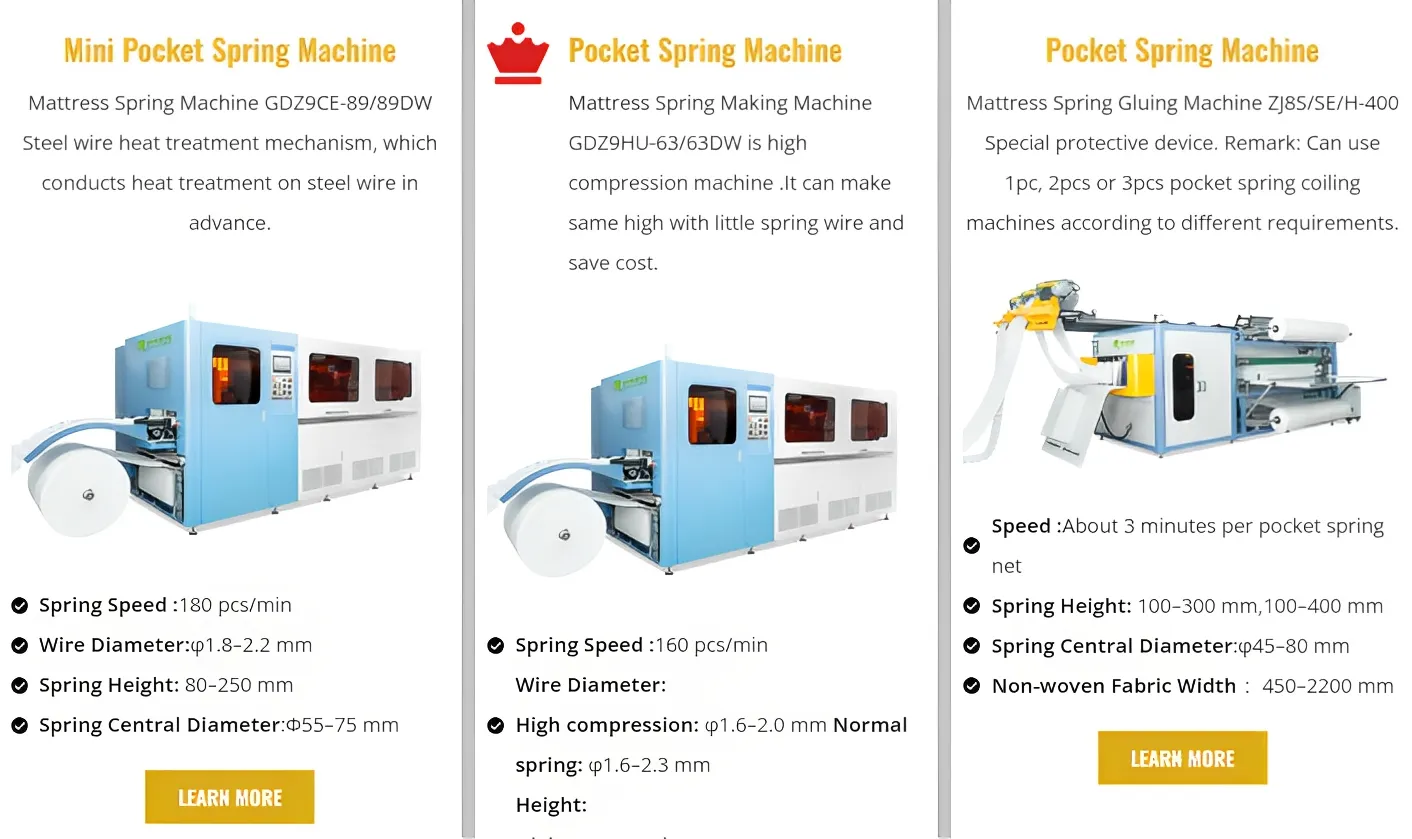
cURL Too many subrequests.
cURL Too many subrequests.
cURL Too many subrequests.
cURL Too many subrequests.
cURL Too many subrequests.
cURL Too many subrequests.
cURL Too many subrequests.
cURL Too many subrequests.
- cURL Too many subrequests.
- cURL Too many subrequests.
- cURL Too many subrequests.
cURL Too many subrequests.
cURL Too many subrequests.
cURL Too many subrequests.
cURL Too many subrequests.
cURL Too many subrequests.
cURL Too many subrequests.
cURL Too many subrequests.
- cURL Too many subrequests.
- cURL Too many subrequests.
- cURL Too many subrequests.
cURL Too many subrequests.
cURL Too many subrequests.
cURL Too many subrequests.
- cURL Too many subrequests.
- cURL Too many subrequests.
- cURL Too many subrequests.
cURL Too many subrequests.
cURL Too many subrequests.
cURL Too many subrequests.
cURL Too many subrequests.
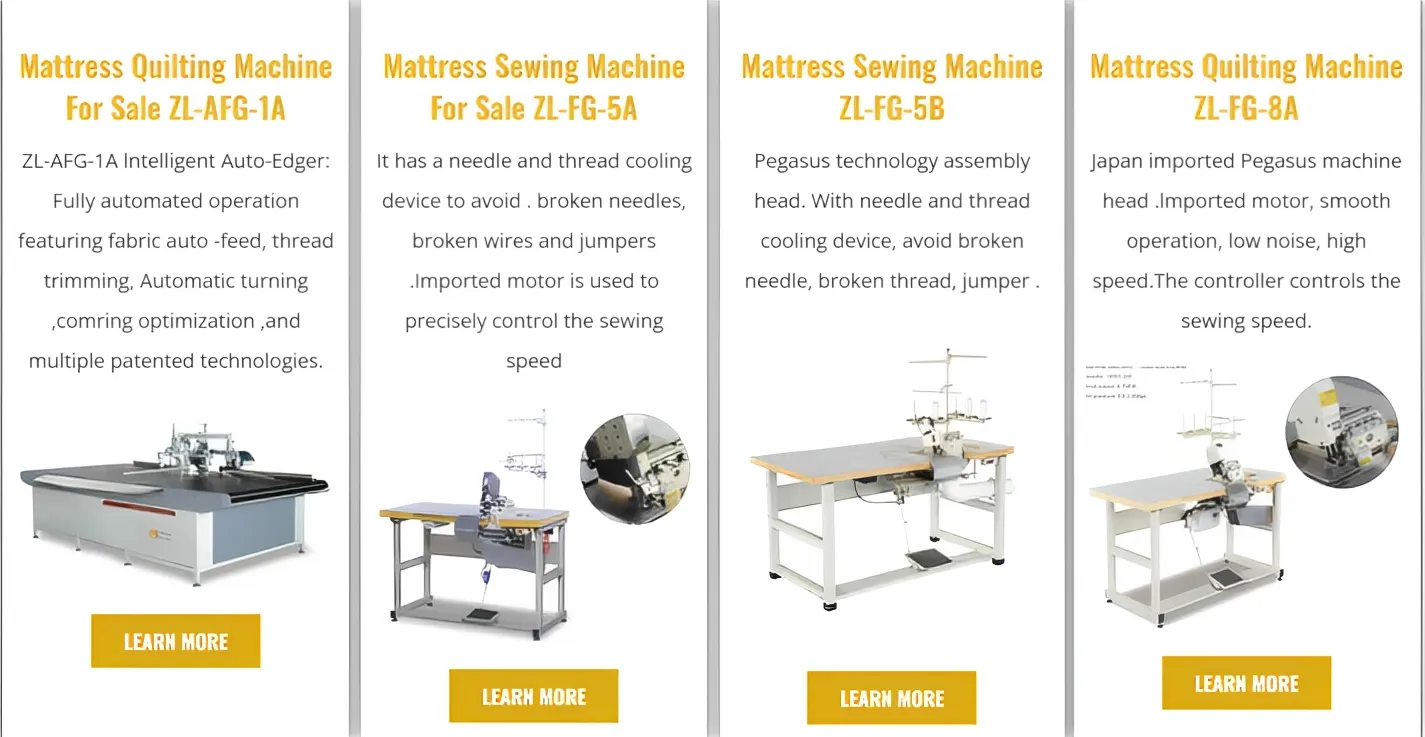
cURL Too many subrequests.
cURL Too many subrequests.
cURL Too many subrequests.
cURL Too many subrequests.
- cURL Too many subrequests.
- cURL Too many subrequests.
- cURL Too many subrequests.
They provide substantial efficiency upgrades compared to manual gluing.
(2) High Flexibility for Diverse Mattress Models
Operators can manually adjust spacing and handling, which is useful when producing multiple mattress types with varying configurations.
(3) Lower Maintenance Requirements
Semi-automatic machines use simpler mechanisms, reducing:
- spare parts cost
- technical troubleshooting complexity
- downtime risks
(4) Better for Small and Medium-Sized Factories
For factories producing 100–300 mattresses per day, a semi-automatic model offers the best balance between cost and capability.
(5) Strong Improvement Over Manual Operations
Even without full automation, semi-automatic gluing machines drastically reduce:
- human inconsistencies
- glue waste
- operator fatigue
They are often the first step toward eventual full automation.
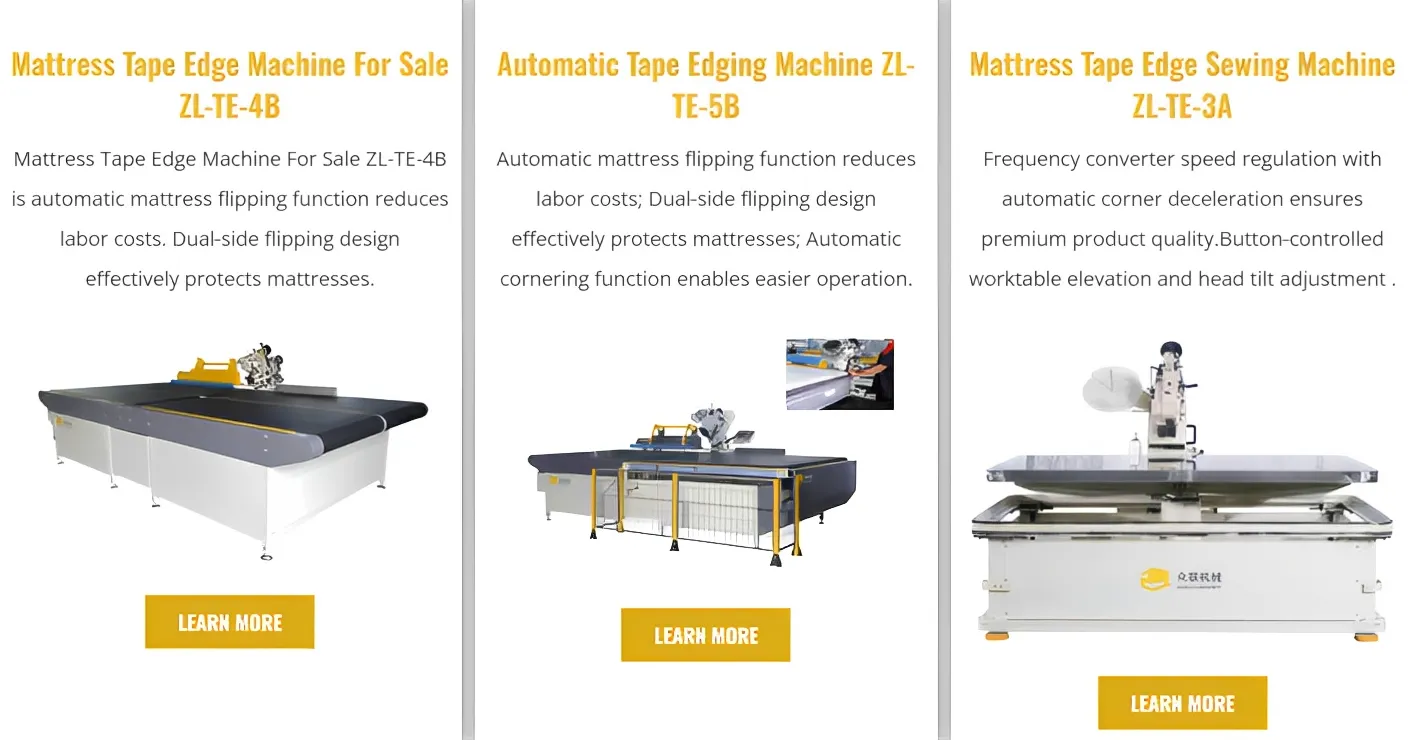
Comparison Table: Fully Automatic vs Semi-Automatic Gluing Machines
| Categoría de rendimiento | Semi-Automatic Gluing Machine | Fully Automatic Gluing Machine | Practical Impact |
|---|---|---|---|
| Nivel de automatización | Medio | Muy alto | Determines labor needs and consistency |
| Labor Requirement | Medio | Very Low | Cost and management advantage |
| Glue Consumption | Medio | Bajo | Reduced long-term operating cost |
| Bonding Precision | Medium-High | Muy alto | Better structural stability |
| Production Speed | Moderado | Fast & continuous | Mayor producción diaria |
| Operator Skill Need | Medio | Bajo | Easier training |
| Tasa de defectos | Medio | Bajo | Fewer rejects |
| Investment Cost | Bajo | Alto | Influences adoption scale |
| Suitability for SMEs | Excelente | Medio | Depends on budget |
| cURL Too many subrequests. | Moderado | Excelente | cURL Too many subrequests. |
cURL Too many subrequests.
cURL Too many subrequests.
cURL Too many subrequests.
- cURL Too many subrequests.
- cURL Too many subrequests.
cURL Too many subrequests.
cURL Too many subrequests.
cURL Too many subrequests.
cURL Too many subrequests.
cURL Too many subrequests.
cURL Too many subrequests.
cURL Too many subrequests.
cURL Too many subrequests.
cURL Too many subrequests.
cURL Too many subrequests.
- cURL Too many subrequests.
- cURL Too many subrequests.
cURL Too many subrequests.
cURL Too many subrequests.
 Spanish
  English
  Vietnamese
  German
  French (France)
  French (Canada)
  Japanese
  German (Austria)
  Tibetan
  Danish
  Malayalam
  Indonesian
  Frisian
  Greek
Greek  Javanese
  Macedonian
  Galician