
Innovations dans la couture des bords de matelas : un regard sur les machines modernes ?
Traditional mattress edge sewing was slow, labor-intensive, and prone to inconsistency.
Modern mattress edge sewing machines increase speed, precision, and design flexibility—transforming the way factories produce high-quality mattresses.
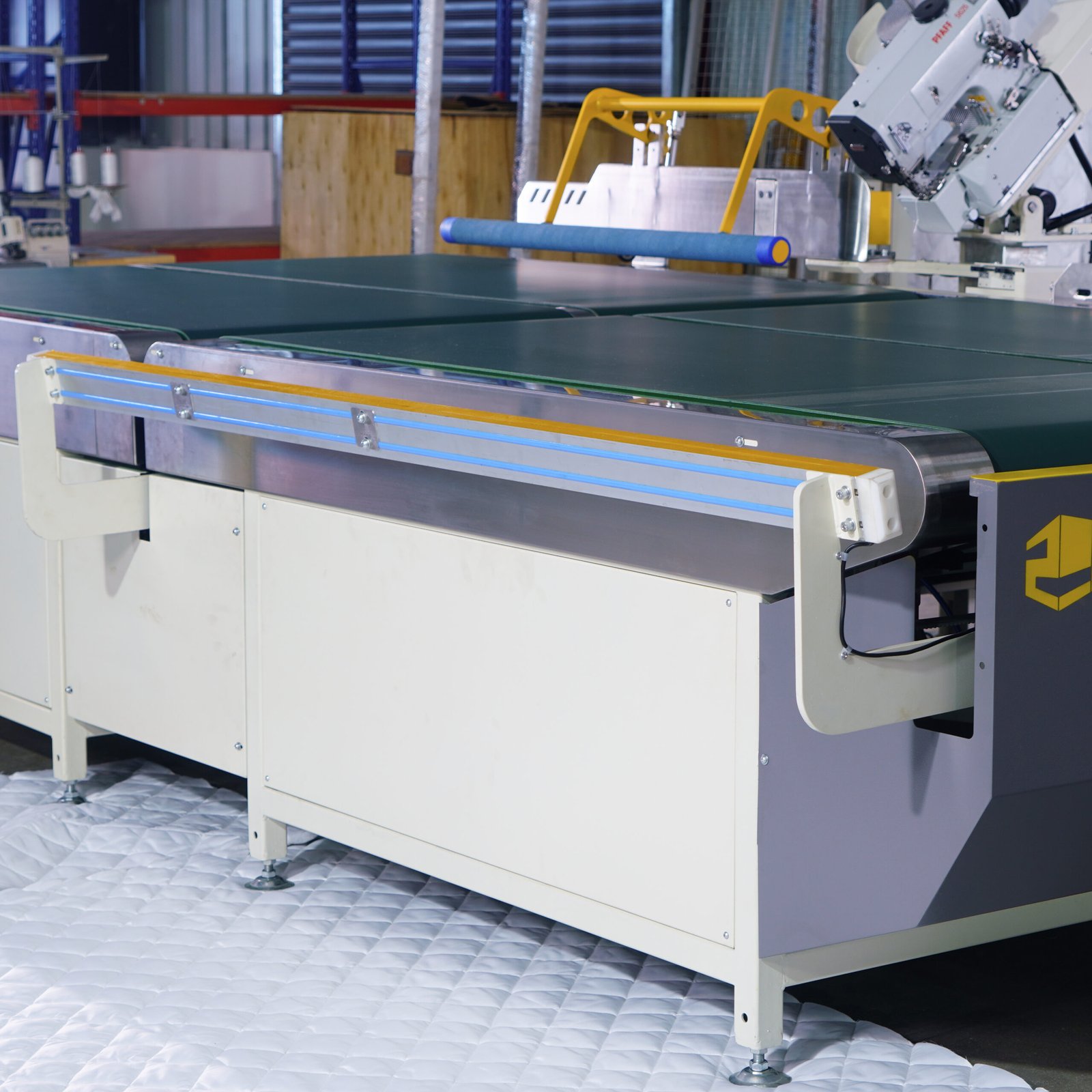
In this article, I’ll walk through the evolution of edge sewing in mattress production, explore today’s advanced machines, and explain how they impact quality, efficiency, and cost.
What Problems Did Traditional Edge Sewing Have?
Before automation, edge stitching required skill, time, and constant attention.
Manual and early mechanical edge sewing was inconsistent, physically demanding, and slow—limiting factory growth and product reliability.
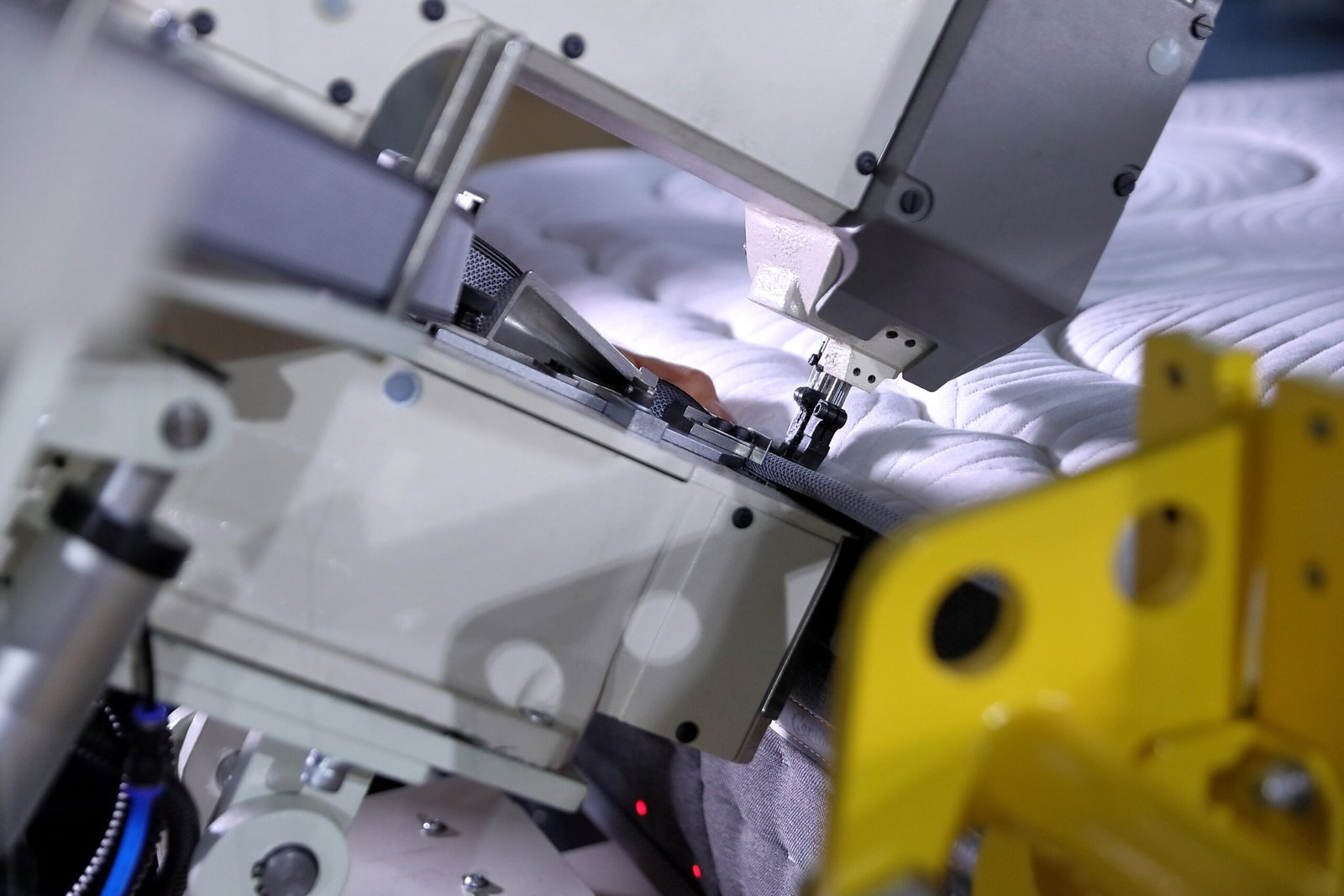
Key Challenges in Traditional Methods
1. Labor Dependence
Operators had to manually guide tape and stitching arms. The process was tiring and required constant vigilance.
2. Inconsistent Stitching
Even skilled workers would produce variations in stitch spacing or depth, affecting mattress edge strength and visual quality.
3. Time Consumption
Manual edge sewing took up to 12–15 minutes per mattress, limiting daily output to around 40–60 pieces per line.
| Problème | Impact on Factory Output |
|---|---|
| Manual Operation | Slower cycle times |
| Quality Inconsistency | More rework and customer complaints |
| Fatigue & Turnover | High labor turnover and injuries |
The industry needed a solution that could boost speed without sacrificing quality.
How Have Edge Sewing Machines Evolved?
The shift from hand-guided tape machines to digital servo systems has reshaped production lines.
New machines offer servo-driven tape guidance, automated lifting arms, and programmable stitch settings—greatly improving consistency and output.
Key Technological Breakthroughs
Servo Motor Control
Precise stitch control with less vibration. Servo motors also reduce power usage and noise levels.
PLC Programming
Operators can save multiple stitching programs, switch between mattress sizes, or change stitch lengths with one touch.
Edge Compression Arms
Automated rollers press and align edge layers before sewing, reducing skipped seams and improving fit.
| Fonctionnalité | Result in Production |
|---|---|
| cURL Too many subrequests. | Precision stitching and energy savings |
| Touchscreen + PLC | Fast switch between mattress models |
| cURL Too many subrequests. | cURL Too many subrequests. |
cURL Too many subrequests.
cURL Too many subrequests.
cURL Too many subrequests.
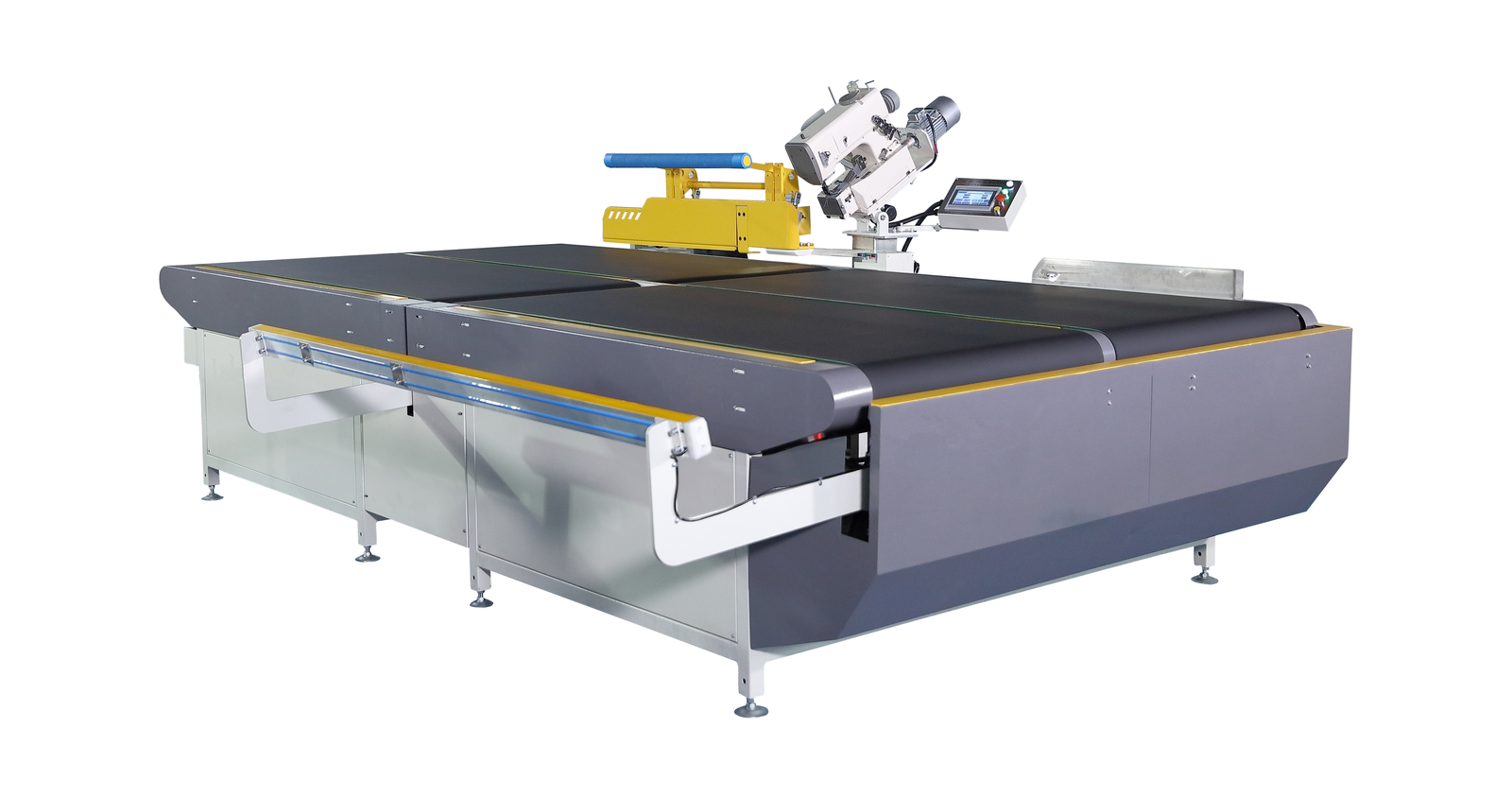
cURL Too many subrequests.
| Type de machine | Meilleur pour | Automation Level |
|---|---|---|
| Semi-Automatic | cURL Too many subrequests. | Moyenne |
| cURL Too many subrequests. | cURL Too many subrequests. | Élevé |
| cURL Too many subrequests. | cURL Too many subrequests. | cURL Too many subrequests. |
cURL Too many subrequests.
- cURL Too many subrequests.
- cURL Too many subrequests.
- cURL Too many subrequests.
cURL Too many subrequests. cURL Too many subrequests.
cURL Too many subrequests.
cURL Too many subrequests.
cURL Too many subrequests.
cURL Too many subrequests.
cURL Too many subrequests.
cURL Too many subrequests.
cURL Too many subrequests.
cURL Too many subrequests.
cURL Too many subrequests.
cURL Too many subrequests.
cURL Too many subrequests.
cURL Too many subrequests.
cURL Too many subrequests.
cURL Too many subrequests.
| Fonctionnalité | cURL Too many subrequests. |
|---|---|
| cURL Too many subrequests. | cURL Too many subrequests. |
| cURL Too many subrequests. | cURL Too many subrequests. |
| cURL Too many subrequests. | cURL Too many subrequests. |
cURL Too many subrequests.
cURL Too many subrequests.
cURL Too many subrequests.
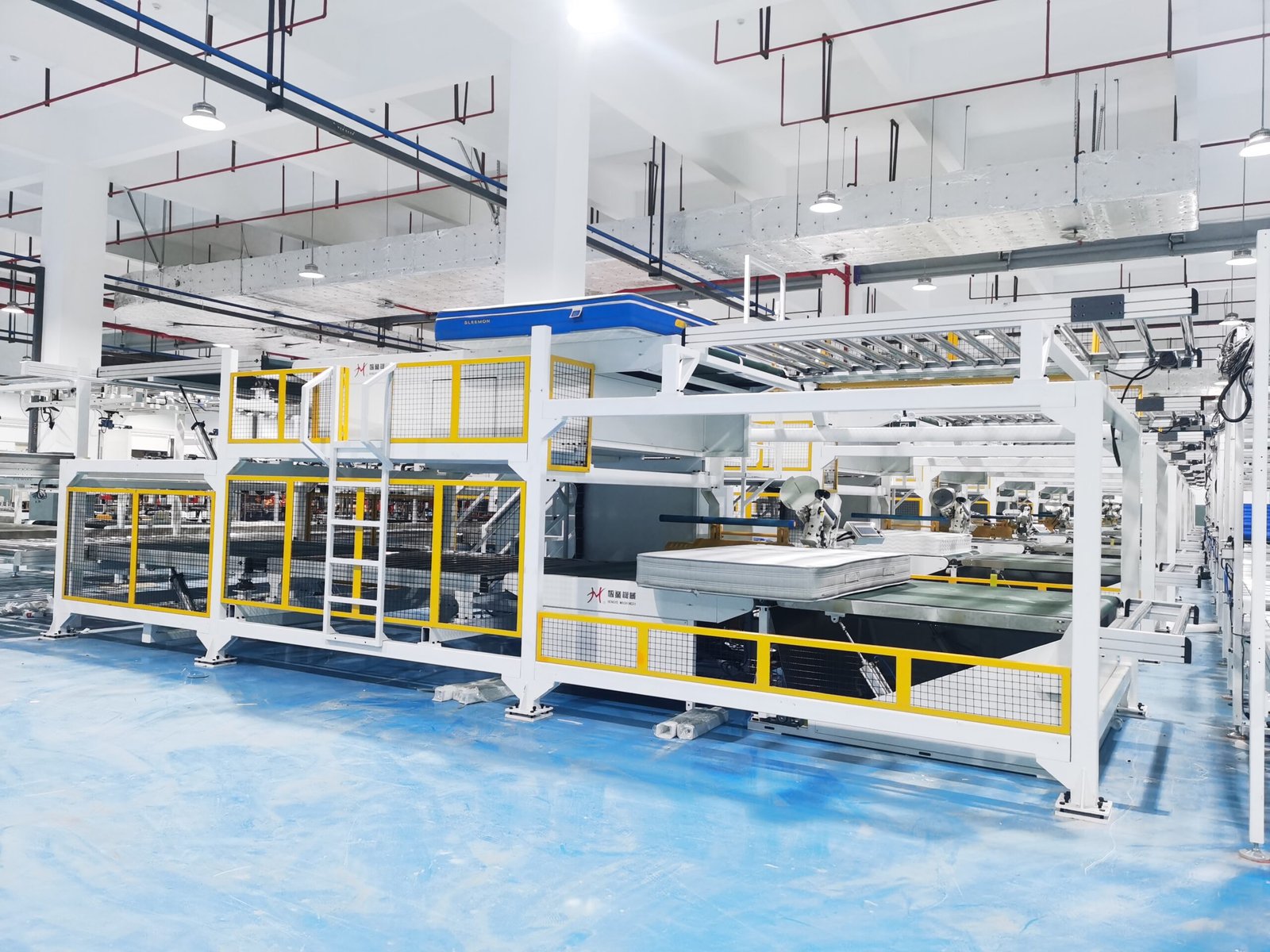
cURL Too many subrequests.
- Stitch spacing controlled by motor, not hand
- Edge fabric held by guide rollers
- Programmed motion keeps alignment even at 2,000+ SPM
Quality Control Perks
- Fewer skipped stitches or twisted seams
- Less mattress rejection from finishing line
- Stronger side reinforcement and edge hold
| Quality Metric | cURL Too many subrequests. | Modern Machine |
|---|---|---|
| Stitch Gap Variation | ±2.5mm | ±0.2mm |
| Edge Misalignment Rate | 8–10% | <1% |
| Repeatability | Faible | Élevé |
These machines help manufacturers meet international standards and reduce post-delivery complaints.
Are They Worth the Investment?
Yes—especially when you consider total lifetime cost.
Modern edge sewing machines reduce labor, increase daily output, and reduce defects—all of which pay off within 12–18 months.
Cost Breakdown Example
| Catégorie | Ligne manuelle | Auto Edge Machine |
|---|---|---|
| Production quotidienne | 50–80 units | cURL Too many subrequests. |
| Operator Headcount | 3–4 people | 1–2 people |
| Labor Cost/Month | $2,000–$3,500 | $1,200–$2,000 |
| Defect/Rework Rate | 6–8% | <1% |
Even if the initial machine cost is $8,000–$15,000, the payback happens quickly with lower labor and higher throughput.
Conclusion
Innovative mattress edge sewing machines combine speed, quality, and smart design—making them essential for any factory aiming to scale production while maintaining top-tier product standards.
Contactez-nous pour des solutions sur mesure ! Nous avons hâte de collaborer avec vous et de façonner un avenir plus brillant ensemble !
📞 | WhatsApp : +86 15220512074
📧E-mail:zhongliantec@gmail.com
Web | Lien : mattressmachineryzl.com
 French (France)
  English
  Vietnamese
  Spanish
  German
  French (Canada)
  Japanese
  German (Austria)
  Tibetan
  Danish
  Malayalam
  Indonesian
  Frisian
  Greek
Greek  Javanese
  Macedonian
  Galician