
← Mattress Quilting Machine Reviews: Top Models Compared?
Mattress factories today face a tough question: how to boost output while keeping quilt quality high?
The best mattress quilting machines combine speed, precision, and durability—helping manufacturers create beautiful, comfortable, and long-lasting mattresses at scale.
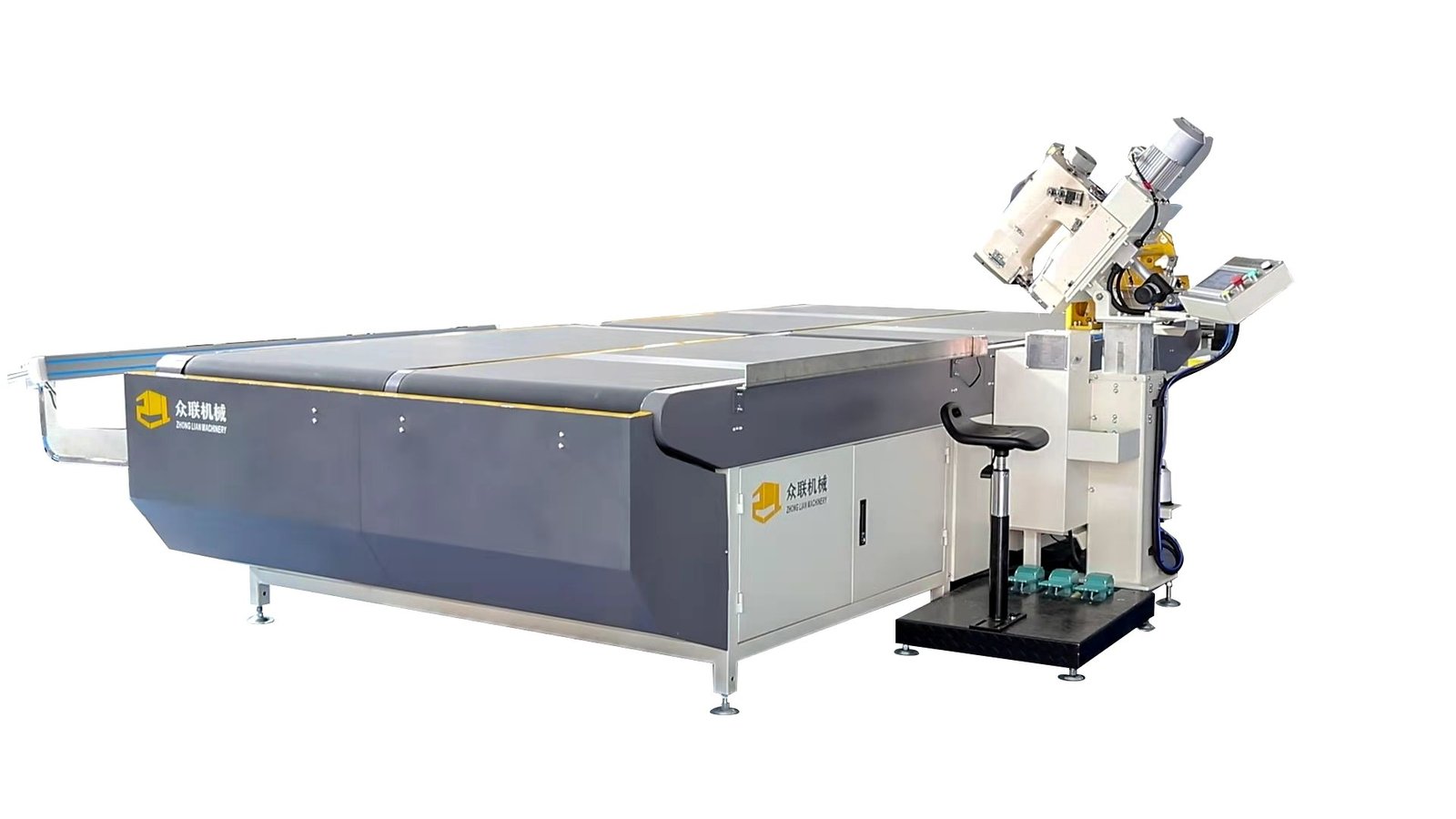
Choosing the right quilting machine is more than a technical decision. It’s a strategic move. In this article, I’ll compare top models and break down what matters most.
Clarifying Your Production Requirements
Before diving into machine models, pause and take stock of your day-to-day needs. Start by mapping out your current production volumes: How many mattresses does your line finish per shift, and is that number likely to grow in the next year? Consider the kinds of products you make as well—are you quilting basic single-sided mattresses, pillow-tops, or intricate patterns that demand detailed stitching?
Next, look at the complexity of your typical designs. A straightforward box pattern is one thing; intricate motifs or custom embroidery are another. Knowing your level of detail helps pinpoint the features you truly need.
Jot down these requirements:
- Average and peak mattress output per shift
- Types and thicknesses of materials you run most often
- Typical design complexity (from simple grids to custom logos)
- Any upcoming product launches or expansions
With this list, you’ll be ready to match your real-world needs to what the top quilting machines can deliver—without overspending or ending up with features that gather dust.
What makes a quilting machine stand out?
What are the operational principles behind mattress quilting machines?
At the core, mattress quilting machines are marvels of precision engineering designed to transform layers of fabric and padding into cohesive, attractive mattress panels. Understanding how they work helps manufacturers make informed decisions and maximize their investment.
Stitch Formation: The Engine Beneath the Quilted Surface
A mattress’s aesthetic and structural integrity begin with stitch formation. Most modern machines rely on a lockstitch method—think of it as the handshake between the needle thread and the bobbin thread.
Here’s what happens under the hood:
- The needle punctures the layered fabrics, pulling the top thread down.
- A rotating hook grabs this thread, looping it with the bobbin thread underneath.
- This interlocking stitch is the gold standard for security and longevity, holding your quilt together through years of use.
But not all stitches are created equal. The right machine lets operators easily adjust:
- Stitch length, to control the pattern density and visual style.
- Thread tension, keeping everything snug (not too tight, not too loose), preventing ugly puckers or slack stitches.
Fabric Feeding: Keeping Layers Aligned
Anyone who’s ever quilted knows the nightmare of layers shifting—goodbye straight lines, hello frustration. Top machines tackle this with synchronized feeding systems:
- Dual or multi-way feeds move both the top and bottom layers at the same pace.
- This ensures the intricate sandwich of ticking, foam, and fiber always stays lined up, no matter how thick or cushy.
Speed & Control: Matching Output to Demand
Pace matters. Too slow, and you bottleneck production. Too fast, and mistakes multiply. Quality models offer:
- Variable speed controls so operators can slow down for curves and speed up on straightaways.
- High-speed capabilities for those massive batch runs where efficiency is king.
In short, the best mattress quilting machines harmonize precise stitching, synchronized fabric movement, and flexible speed—to deliver beautiful, durable quilt panels at scale.
What are the main types of mattress quilting machines?
When it comes to picking the right mattress quilting machine, it helps to know the basic species you’ll encounter on the factory floor. Each type offers distinct advantages, making them suited for different production goals and design requirements. Here’s a rundown of the main types you’ll see in modern mattress manufacturing:
cURL Too many subrequests.
cURL Too many subrequests.
cURL Too many subrequests.
- cURL Too many subrequests.
- cURL Too many subrequests.
- cURL Too many subrequests.
cURL Too many subrequests.
cURL Too many subrequests.
cURL Too many subrequests.
cURL Too many subrequests.
- cURL Too many subrequests.
- cURL Too many subrequests.
- cURL Too many subrequests.
cURL Too many subrequests.
cURL Too many subrequests.
cURL Too many subrequests.
cURL Too many subrequests.
- cURL Too many subrequests.
- cURL Too many subrequests.
- cURL Too many subrequests.
cURL Too many subrequests.
cURL Too many subrequests.
cURL Too many subrequests.
cURL Too many subrequests.
cURL Too many subrequests.
cURL Too many subrequests.
cURL Too many subrequests.
cURL Too many subrequests.
cURL Too many subrequests.
cURL Too many subrequests.
cURL Too many subrequests.
cURL Too many subrequests.
cURL Too many subrequests.
cURL Too many subrequests.
cURL Too many subrequests.
cURL Too many subrequests.
- cURL Too many subrequests. cURL Too many subrequests.
- cURL Too many subrequests. cURL Too many subrequests.
- cURL Too many subrequests. cURL Too many subrequests.
With these benefits, it’s no wonder multi-needle systems have become the workhorses in modern mattress manufacturing.
Single-Needle Quilting Machines: Precision for Premium Mattresses
So, what exactly is a single-needle quilting machine? Think of it as the artisan in the workshop—built for those who want the freedom to create detailed, bespoke patterns without compromise. Unlike its multi-needle siblings, this machine uses just one needle, allowing for greater control over every stitch and curve on the fabric.
Why choose single-needle? Here’s what sets it apart:
- Unmatched Design Versatility: The single needle lets you trace intricate, customized patterns, opening the door for designers to get truly creative with high-end and specialty mattresses.
- Exceptional Stitch Quality: Each pass is carefully managed, resulting in top-tier precision. If your goal is a perfectly tailored look or detailed motifs, this is the machine for you.
- Built for Custom, Not Mass Production: Admittedly, it’s not winning any speed races—single-needle quilting favors craftsmanship and attention to detail over quantity.
For manufacturers focused on quality and intricate designs, single-needle quilting machines are the go-to choice for making mattresses that stand out in both look and feel.
Latest Trends and Technology Advancements in Mattress Quilting Machines
Staying ahead in mattress manufacturing means embracing the latest technology—and quilting machines have not been left out of the innovation race. Today’s top performers are equipped with smart features that would make even your grandmother’s trusty Singer jealous.
Here’s what’s making waves right now:
- AI-Driven Pattern Creation
Modern machines use artificial intelligence to whip up intricate stitch patterns based on the latest design trends and customer preferences. Want to roll out fresh, unique patterns without enlisting a team of CAD wizards? There’s a button for that. - Smart Connectivity and Automation
The Internet of Things (IoT) has found its way onto the production floor. With real-time monitoring, predictive maintenance alerts, and data-driven performance tweaks, some machines are practically self-aware. They can even sync with broader factory management systems to keep everything humming along efficiently. - Manutention Automatisée des Matériaux
Say goodbye to manual fabric wrangling. Advanced models now come with automated loaders and robotic arms that align, transfer, and position materials with laser precision—keeping productivity up and errors down. - Energy Efficiency Upgrades
Tomorrow’s quilt machines are green machines. Improved pneumatics, energy-recovery tech, and intelligent power management systems keep operational costs down and satisfy even the pickiest sustainability goals (or at least your accountant). - Multifunctional Production Cells
Why stop at quilting? The latest systems combine quilting, cutting, border work, and packaging into a single, seamless process, controlled from one central hub. It’s like an assembly line that moonlights as a Swiss Army knife.
When weighing your next machine upgrade, look for equipment that’s future-ready—modular enough to take advantage of tomorrow’s upgrades and smart enough to stay relevant long after the paint dries on your current models.
Choosing the Right Quilting Machine for Your Production Needs
Selecting between single-head, multi-needle, double-beam, and specialized quilting machines comes down to evaluating the demands of your production floor.
Single-head quilting machines are ideal for workshops focused on custom projects, low-volume runs, or frequently changing designs. These machines provide flexibility and precise control for unique orders, making them perfect for artisan operations or niche product lines.
Multi-needle quilting machines, on the other hand, are the workhorses of medium to large facilities. If your priority is producing standardized patterns at high speeds, these machines deliver both consistency and efficiency. They strike a solid balance between investment and output, allowing mattress manufacturers to keep up with growing demands without sacrificing quality.
Double-beam (continuous) quilting machines take speed and volume up another notch. Designed for industrial-scale production, these systems excel when non-stop, high-throughput processing is essential. Think of them as the main engines driving major brands and large-scale operations.
Specialized quilting systems—such as those with integrated stacking or automation features—are worth considering if you have unique product requirements or want to streamline your workflow even further. These can be tailored for hybrid manufacturing setups or for incorporating material handling solutions that minimize manual labor and boost efficiency.
In summary:
- Small-batch, custom work? Go for single-head flexibility.
- Standard, high-volume output? Multi-needle will likely be your sweet spot.
- Large-scale, continuous runs? Double-beam is hard to beat.
- cURL Too many subrequests.
cURL Too many subrequests.
cURL Too many subrequests.
cURL Too many subrequests.
cURL Too many subrequests. Juki, Brother, et Bernina, cURL Too many subrequests.
cURL Too many subrequests.
- cURL Too many subrequests. cURL Too many subrequests.
- cURL Too many subrequests. cURL Too many subrequests.
- cURL Too many subrequests. cURL Too many subrequests.
- cURL Too many subrequests. cURL Too many subrequests.
- cURL Too many subrequests. cURL Too many subrequests.
cURL Too many subrequests.
cURL Too many subrequests.
cURL Too many subrequests.
cURL Too many subrequests. cURL Too many subrequests.
- cURL Too many subrequests. cURL Too many subrequests.
- cURL Too many subrequests. cURL Too many subrequests.
- cURL Too many subrequests. cURL Too many subrequests.
- cURL Too many subrequests. cURL Too many subrequests.
cURL Too many subrequests., cURL Too many subrequests. cURL Too many subrequests.
- cURL Too many subrequests. cURL Too many subrequests.
- cURL Too many subrequests. cURL Too many subrequests.
- cURL Too many subrequests. cURL Too many subrequests.
cURL Too many subrequests.
- cURL Too many subrequests.
- cURL Too many subrequests.
- More time needed for switching between designs
cURL Too many subrequests. If your sights are set on rapid scaling, keeping pace with ever-changing market tastes, or boosting productivity, computerized systems are usually the smarter bet—even if they stretch your budget up front. But for niche, artisanal projects or when every dollar counts, manual and semi-automatic options can still deliver beautiful results without overwhelming complexity.
Stitching Quality: The heart of mattress presentation and durability
A mattress that looks cheap often comes down to one thing—poor stitching. And customers notice.
How does the hook mechanism work in quilting machines?
The hook mechanism is the unsung hero behind every crisp, secure stitch in mattress quilting. Working in tandem with the needle, the hook’s job is to catch the upper thread as the needle descends, looping it around the bobbin thread and locking each stitch into place.
A high-quality hook—like those found in industrial names such as Singer or Juki—ensures the stitching process runs smoothly and consistently, even at high speeds. When the hook is precisely timed and engineered, you avoid the headaches of missed stitches or thread tangles. This is especially crucial when running long production cycles and working with challenging materials or multiple layers.
If you want flawless seams, invest in a machine with a robust, well-calibrated hook mechanism—it’s the small engineering detail that makes a big difference in mattress presentation and durability.
Key Metrics:
- Uniformity of stitch length
- No skipped stitches or bunching
- Handles different padding types (foam, fiber, etc.)
| cURL Too many subrequests. | Stitching Tech | Max Needles | Consistency Rating |
|---|---|---|---|
| DF-Q5000 | Servo Motor Drive | 20 | cURL Too many subrequests. |
| DF-Q3000 | Pneumatic + Digital Tension | 18 | ★★★★☆ |
| DF-Lite | Manual tension control | 12 | ★★★☆☆ |
How does the lockstitch mechanism work in quilting machines?
The backbone of most quilting machines is the lockstitch mechanism—a system that ensures each stitch is secure and long-lasting. Here’s how it operates:
- Thread Interlocking: As the needle pushes through the fabric layers, it brings its top thread down.
- Meeting in the Middle: A rotating hook underneath the fabric catches this thread, looping it around a second thread coming from the bobbin below.
- Securing the Stitch: These two threads lock together inside the fabric, creating a strong, consistent stitch that resists unraveling.
This process is what gives quilting machines their reputation for producing tidy, robust seams, no matter if you’re working with plush memory foam or feather-light fiber fill. The result? A mattress that doesn’t just look polished—it stands up to everyday use.
Needle and Hook Assembly: Where Stitching Comes to Life
The secret behind every precise row of stitches? It’s all thanks to the needle and hook assembly in a quilting machine. Think of the needle as the conductor—it’s chosen to match the fabric type, whether it’s a ballpoint for knits (no snagging your cozy jersey covers) or a sharp needle for crisp, tailored woven textiles.
But the needle doesn’t work alone. The hook is its trusty sidekick, catching the thread to form each stitch in perfect harmony. A well-matched needle and smoothly operating hook are what separate seamless, professional mattress seams from sloppy, amateur jobs.
So, if the stitching looks flawless and feels secure through layers of foam or fiber, thank the precision teamwork of the needle and hook.
How is stitch formation achieved in quilting machines?
Stitch formation is where the magic happens in quilting—and what separates a premium mattress from the pack. Most industrial quilting machines use a lockstitch system, a tried-and-true method you’ll find in both SINGER et JUKI cURL Too many subrequests.
cURL Too many subrequests.
- cURL Too many subrequests. cURL Too many subrequests.
- cURL Too many subrequests. cURL Too many subrequests.
cURL Too many subrequests.
cURL Too many subrequests.
cURL Too many subrequests.
- cURL Too many subrequests. cURL Too many subrequests.
- cURL Too many subrequests. cURL Too many subrequests.
cURL Too many subrequests.
cURL Too many subrequests.
cURL Too many subrequests.
- cURL Too many subrequests. cURL Too many subrequests.
- cURL Too many subrequests. cURL Too many subrequests.
cURL Too many subrequests.
cURL Too many subrequests.
cURL Too many subrequests.
- RollerscURL Too many subrequests.
- cURL Too many subrequests.cURL Too many subrequests.
cURL Too many subrequests.
cURL Too many subrequests.
cURL Too many subrequests.
cURL Too many subrequests.
cURL Too many subrequests.
- cURL Too many subrequests.cURL Too many subrequests.
- cURL Too many subrequests.cURL Too many subrequests.
cURL Too many subrequests.
cURL Too many subrequests.
cURL Too many subrequests.
cURL Too many subrequests.
cURL Too many subrequests.
- cURL Too many subrequests. cURL Too many subrequests.
- Why It Matters: When both layers are perfectly synchronized—think of it like two ballroom dancers gliding in unison—you get straight, even seams regardless of how slippery or bulky your materials are. Whether it’s plush foam or dense fiber padding, the synchronized feed system helps the stitching look clean and professional, every time.
It’s details like these that give you crisp, presentable mattress panels and a finished product that’s up to par with top-tier brands like Sealy or Serta.
From my experience, machines with programmable digital tension controls and servo motors maintain the cleanest lines—essential for premium-looking mattresses.
When you’re aiming for flawless quilting, the unsung heroes are often adjustable rollers and the settings on your machine’s feed dogs. These components control how smoothly the fabric layers glide through the machine, directly impacting stitch consistency and finished quality.
Why do these features matter?
- Adjustable Rollers: Let you fine-tune fabric tension, which minimizes the risk of fabric bunching or slipping—whether you’re sewing delicate quilting cotton, thick memory foam, or layering multiple materials. On models like the Juki LU-2828A or the Singer Quantum Stylist, dialed-in roller tension helps maintain pattern accuracy from edge to edge.
- Feed Dog Settings: Customizable feed dog height and movement options allow you to match the feed rate to your fabric’s thickness. Quilts stay perfectly aligned, even with abrupt changes in material or when switching between fiberfill, foam, or batting.
cURL Too many subrequests.
Machines with quick-adjust rollers and multiple feed dog settings add versatility and reduce adjustments between jobs. On a busy line, this saves time, reduces waste, and keeps output high—no matter what mix of fabrics you’re stitching together.
Versatility for Residential and Commercial Needs
Can one machine tackle both home and hotel mattresses? Absolutely. Most top-tier quilting machines—think cURL Too many subrequests., Juki, et Brother—are designed with enough flexibility to handle both residential and commercial mattress production.
What makes the difference? It’s not about swapping out an entire system but rather about adjusting parameters like pattern complexity, fabric thickness, and speed. A machine that shines on showroom-floor pillow-tops can be dialed up for dense, contract-grade padding in just a few simple steps.
- Pattern Diversity: Switch between simple home designs and elaborate hotel motifs with programmable controls.
- Material Adaptability: Handle soft foam, dense fiber, or multi-layered structures without skipped stitches.
- Vitesse de production: Set it for quick runs on residential models or sustained output for bulk commercial orders.
In my experience, choosing a machine with programmable settings and a robust frame lets you seamlessly pivot from custom, small-batch projects to the demands of large commercial contracts.
Testing Your Mattress Materials: Why (and How) It Matters
Before you invest, it’s worth putting your own materials through the paces. After all, quilting foam and ticking from one supplier may behave very differently than a polyester blend or recycled pad from another.
What should you do?
Bring in samples of your exact top fabric, padding, and backing layers to the demo. Most reputable suppliers—like JUKI, Brother, ou Bernina dealers—welcome real-world material tests.
- Ask for a live run using your actual combinations.
- Pay attention to how the machine handles bulkier materials versus lightweight layers.
- Inspect the results: Is the stitching smooth? Any signs of skipped stitches or stretched fibers?
This hands-on testing gives you confidence that the model will perform not just in theory—but in your day-to-day production environment.
How fast can you go without sacrificing quality?
In today’s market, speed can make or break profitability.
The faster your machine runs while maintaining quality, the faster you deliver, the more you save.
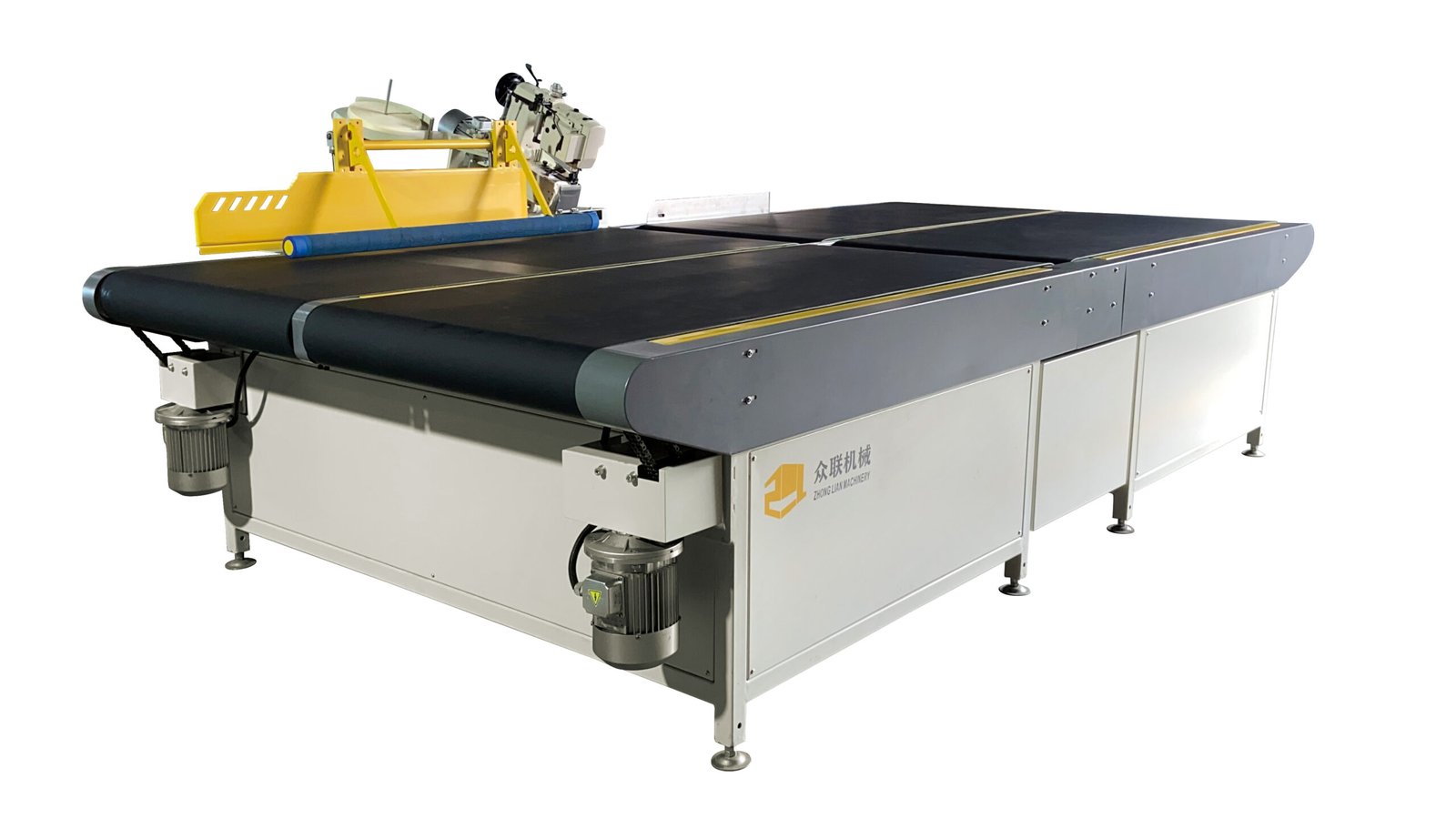
Efficiency and Speed
Fast machines need stable frames, intelligent feeding, and cooling systems to avoid overheating during long shifts.
cURL Too many subrequests.
| Modèle | Vitesse maximale | cURL Too many subrequests. | cURL Too many subrequests. |
|---|---|---|---|
| DF-Q5000 | cURL Too many subrequests. | cURL Too many subrequests. | 96% |
| DF-Q3000 | cURL Too many subrequests. | cURL Too many subrequests. | 92% |
| DF-Lite | cURL Too many subrequests. | cURL Too many subrequests. | 85% |
cURL Too many subrequests.
cURL Too many subrequests.
cURL Too many subrequests.
cURL Too many subrequests., cURL Too many subrequests. cURL Too many subrequests., cURL Too many subrequests.
cURL Too many subrequests. cURL Too many subrequests. Pfaff et Singer cURL Too many subrequests.
cURL Too many subrequests. cURL Too many subrequests.
cURL Too many subrequests.
cURL Too many subrequests.
cURL Too many subrequests.
Facilité d'utilisation
| Modèle | Control Panel | cURL Too many subrequests. | cURL Too many subrequests. |
|---|---|---|---|
| DF-Q5000 | cURL Too many subrequests. | Faible | cURL Too many subrequests. |
| DF-Q3000 | cURL Too many subrequests. | Moyen | ★★★★☆ |
| DF-Lite | cURL Too many subrequests. | High | cURL Too many subrequests. |
cURL Too many subrequests.
cURL Too many subrequests.
cURL Too many subrequests.
cURL Too many subrequests. Juki to cURL Too many subrequests., cURL Too many subrequests.
- cURL Too many subrequests.
- cURL Too many subrequests.
- cURL Too many subrequests.
- cURL Too many subrequests.
cURL Too many subrequests.
cURL Too many subrequests.
cURL Too many subrequests.
cURL Too many subrequests.
cURL Too many subrequests.
- cURL Too many subrequests. If you’re crafting small batches, want complete control over every stitch, or make custom, high-value products (think luxury inn mattresses or European-style hand-tufting), manual machines keep you flexible and costs low.
- Startups and lean operations: When capital is tight and every investment must pay off quickly, a manual system limits upfront expense and keeps maintenance simple.
- Regions with low labor costs: In markets where skilled labor is affordable and reliable technical support for complex machines is scarce, manual machines shine. They’re less finicky, easier to fix, and don’t leave you at the mercy of proprietary software.
- Products with simple, repeatable designs: If your bread and butter is a consistent, classic quilt pattern (no complicated logos or intricate motifs), manual machines can churn these out without the learning curve or fragility of their high-tech counterparts.
So, while the latest touchscreen marvels are tempting, old-school options still have their niche—provided your operation matches their strengths.
Installation & Setup: How long will you wait before quilting?
Time is money, especially when a new machine is sitting on your factory floor.
In most cases, you can expect the installation and initial setup of a standard multi-needle quilting machine—think options from Juki, Tajima, ou Durkopp Adler—to take between three to five days. This covers everything from uncrating and physical placement to calibration and hands-on operator training.
For larger, fully integrated systems, the timeline can stretch closer to a week or even ten days, especially if you’re configuring custom layouts or synchronized modules.
Pro tip: Make sure your site is prepped with the right electrical connections, air lines, and enough space for technicians to maneuver. A little planning here can knock days off your setup and get you quilting faster.
Durability: Can your machine handle high-volume production?
We all hate breakdowns. Downtime kills profit.
Durable quilting machines are built with reinforced steel frames, smart cooling, and high-grade components to last through years of heavy use.
Manufacturer Stability: Who’s got your back for the long haul?
A machine is only as reliable as the company standing behind it.
When you’re investing in quilting equipment, choosing a manufacturer with a solid track record, financial stamina, and a reputation for excellent customer support is key. No one wants to be left high and dry if something goes wrong or parts are needed down the line. Think of it like buying a car—would you pick a no-name brand with no service history, or lean toward someone like Toyota or Singer who’s not going anywhere?
Strong, stable manufacturers ensure you get ongoing help, spare parts, and software updates for years—so your operation runs smoothly, with no surprises.
What to look for:
- Reinforced feeding system
- Long-life bearings and belts
- Service-friendly layout
| cURL Too many subrequests. | Frame Type | cURL Too many subrequests. | Annual Maintenance |
|---|---|---|---|
| DF-Q5000 | Full Cast Iron | 10+ years | Faible |
| DF-Q3000 | Steel Alloy | 8 years | Moyen |
| DF-Lite | Partial Sheet Metal | cURL Too many subrequests. | High |
In our shop, we chose DF-Q5000 partly because we knew it could run 24/7 and survive operator mistakes. After 2 years, zero major issues.
Why regular maintenance matters
Keeping your quilting machines in top shape isn’t just about ticking boxes on a checklist—it’s about protecting your entire production flow.
When machines like the DF-Q5000 or classics from Bernina et Juki cURL Too many subrequests.
cURL Too many subrequests.
cURL Too many subrequests.
cURL Too many subrequests.
cURL Too many subrequests.
cURL Too many subrequests. cURL Too many subrequests., Brother, et Durkopp Adler cURL Too many subrequests.
Why it matters:
- cURL Too many subrequests.
- cURL Too many subrequests.
- cURL Too many subrequests.
cURL Too many subrequests.
cURL Too many subrequests.
cURL Too many subrequests.
cURL Too many subrequests.
- cURL Too many subrequests. cURL Too many subrequests. cURL Too many subrequests. cURL Too many subrequests. Durkopp Adler or JUKI. cURL Too many subrequests.
- cURL Too many subrequests. cURL Too many subrequests. cURL Too many subrequests., cURL Too many subrequests. cURL Too many subrequests., Brother, et cURL Too many subrequests. cURL Too many subrequests.
- cURL Too many subrequests. cURL Too many subrequests. cURL Too many subrequests., cURL Too many subrequests. cURL Too many subrequests. et cURL Too many subrequests..
cURL Too many subrequests.
cURL Too many subrequests.
cURL Too many subrequests.
cURL Too many subrequests.
- cURL Too many subrequests. cURL Too many subrequests. Juki or Brother, cURL Too many subrequests.
- cURL Too many subrequests. cURL Too many subrequests. ZOJE ZJ-MQ series or Singer’s commercial lines, and your payback period typically lands between 18 and 24 months. The extra speed and semi-automation make a real dent in labor hours—but the higher initial investment stretches your breakeven a bit further.
- High-end integrated quilting lines: If you go all-in with a full-scale solution from the likes of cURL Too many subrequests. or PFAFF, expect payback in the 24–36 month range. These systems deliver unmatched throughput and consistency for large operations, but require a capital commitment up front that takes a couple years to balance out—well worth it if your production demands non-stop efficiency.
Of course, real results depend on daily run time, complexity of your quilt patterns, maintenance discipline, and just how hard you push your machines. In my experience, being realistic (not overly rosy) about your production mix always helps when mapping your ROI.
After-sales support: How do you know you’re covered?
A good machine is only half the story—reliable support keeps your line moving.
Here’s how I vet after-sales backup before committing:
- Check parts availability: Ask if parts are stocked locally or if you’ll face long waits for shipments from overseas (some brands like Juki et Serta supply parts through large regional hubs, which can save weeks).
- Test the tech support: Give their hotline a call or send an email before you buy. How fast do they respond? Can they actually answer complex questions, or are you stuck in a call-center loop?
- Ask about service network: Find out if there are certified technicians in your area. A spare machine means nothing if you’re waiting a month for a service visit.
- Request sample service reports: Some companies will share anonymous service logs—a great way to see common issues, response times, and resolution quality.
A little homework here can save a fortune in lost production down the road.
Service and Support: Can you count on it when it matters most?
A rock-solid quilting machine is only half the equation. What happens when something eventually wears out or—worse—breaks down mid-shift? In my experience, manufacturers who overlook spare parts availability and technical support often pay dearly in unexpected downtime.
Spare Parts: Availability can make or break your uptime
Simply put, if you can’t get the parts, your machine is just another piece of décor collecting dust. Here’s what I look for before signing on the dotted line:
- On-hand critical spares: Ask vendors if they keep key components (needles, belts, boards, sensors) in regional warehouses or at least promise quick shipping—think FedEx, not “we’ll send by boat.”
- Compatibility matters: Can you source standard parts locally, or are you stuck waiting for custom widgets from halfway around the world?
- Long-term support: Check if they guarantee parts for at least 5–10 years—Bernina et Juki are known for this, and it pays off when you’re dusting off that aging model for a midnight order.
Technical Support: Because waiting days for help isn’t an option
If you’re running all-nighters, you need support that doesn’t clock off at five. Here’s how I size up the real-world value of a service plan:
- True 24/7 help: Will someone pick up the phone at 2 a.m. Saturday, or does your call just vanish into voicemail?
- Remote diagnostics: The best vendors (think cURL Too many subrequests., BrothercURL Too many subrequests.
- cURL Too many subrequests. cURL Too many subrequests.
- cURL Too many subrequests. cURL Too many subrequests.
cURL Too many subrequests.
cURL Too many subrequests.
cURL Too many subrequests.
cURL Too many subrequests. cURL Too many subrequests. cURL Too many subrequests.
cURL Too many subrequests.
cURL Too many subrequests.
cURL Too many subrequests.
cURL Too many subrequests.
cURL Too many subrequests.
| Caractéristique | DF-Q5000 | DF-Q3000 | DF-Lite |
|---|---|---|---|
| cURL Too many subrequests. | cURL Too many subrequests. | cURL Too many subrequests. | No |
| cURL Too many subrequests. | Yes | No | No |
| cURL Too many subrequests. | Yes | Yes | No |
cURL Too many subrequests.
cURL Too many subrequests.
cURL Too many subrequests.
cURL Too many subrequests.
- cURL Too many subrequests. cURL Too many subrequests. JUKI’cURL Too many subrequests. cURL Too many subrequests. cURL Too many subrequests.
- cURL Too many subrequests. cURL Too many subrequests.
- cURL Too many subrequests. cURL Too many subrequests.
cURL Too many subrequests.Pfaff, JUKI, Sealy cURL Too many subrequests.
cURL Too many subrequests.
cURL Too many subrequests.
cURL Too many subrequests.
- cURL Too many subrequests. cURL Too many subrequests. cURL Too many subrequests.cURL Too many subrequests.
- cURL Too many subrequests. It’s tempting to grab the biggest, baddest machine MoneyTech offers, but oversized equipment can eat up floor space, tie up cashflow, and require more maintenance than your current workload justifies.
- Ignoring future plans: Investing strictly for today’s capacity—without thinking about new contracts, product lines, or seasonal spikes—can leave you scrambling within a year.
- Overlooking parts and support: Machines from lesser-known brands (especially imports with no service network like Quiltomatic) can be cheap on paper, but finding parts or techs when you’re down is a nightmare.
- Focusing only on specs, not operator comfort: Flashy features are useless if your team dreads using the controls. A confusing interface or a steep learning curve means more mistakes and slower ramp-up.
From my own shop’s experience: Stick to trusted brands with robust support, buy for the next stage of your business (not just your present size), and always consider who’ll be running the machine day in, day out. That’s how you build a setup that works for you, not against you.
What services can help optimize mattress quilting operations?
Production is about more than just buying the right machine—it’s about building a smarter workflow from day one.
Here’s what can truly move the needle:
- Expert Consultation: Work with specialists who understand mattress manufacturing. They’ll assess your current production, identify gaps, and recommend machines that fit your unique needs—not just what’s trendy in the brochures.
- ROI and Financing Guidance: Serious suppliers (think cURL Too many subrequests., Juki, ou cURL Too many subrequests.) can help you crunch the numbers, compare lease vs. Purchase, and ensure your investment pays back fast.
- Factory Layout and Installation Support: The best machines are only as good as their placement. Pros can design your factory floor for peak efficiency, streamline material flows, and handle installation so you’re not left untangling cables for days.
- Comprehensive Operator Training: Forget the 100-page manuals. Top-tier service means in-person or remote training, easy-to-follow how-to videos, and even cheat sheets right by the machine. That way, your team hits the ground running and your maintenance crew knows how to troubleshoot without panic.
If you want a seamless start, reach out before you order. The right setup and support can mean the difference between constant headaches and a humming, profitable quilting line.
ROI: Where investment pays for itself—fast
Nobody buys a quilting machine just for the blinking lights. It’s all about return on investment (ROI)—how quickly the savings and growth outpace the upfront spend.
The Upfront: What are you really paying for?
Let’s be honest—quality quilting machines aren’t cheap. Expect to budget for more than just the sticker price:
- Machine cost: Depending on the model and automation, you’re looking at anywhere from a decent used car to a fleet of Teslas.
- Setup and installation: Plan on an extra 5–10% for getting everything running smoothly—think electrical upgrades, compressed air, or rearranging half the floor.
- Training: Good touchscreen interfaces cut this cost, but bringing your team up to speed (yes, even Bob who “doesn’t do computers”) is part of the deal.
Operational Savings: The payoff begins
cURL Too many subrequests.
- cURL Too many subrequests. cURL Too many subrequests.
- Efficacité des matériaux : cURL Too many subrequests.
- cURL Too many subrequests. cURL Too many subrequests.
- cURL Too many subrequests. cURL Too many subrequests.
cURL Too many subrequests.
cURL Too many subrequests.
- cURL Too many subrequests. cURL Too many subrequests.
- cURL Too many subrequests. cURL Too many subrequests.
- cURL Too many subrequests. cURL Too many subrequests.
cURL Too many subrequests.
cURL Too many subrequests.
cURL Too many subrequests.
cURL Too many subrequests.
- Machine cost: cURL Too many subrequests.
- cURL Too many subrequests. cURL Too many subrequests. Bernina, Juki, cURL Too many subrequests.
- cURL Too many subrequests. cURL Too many subrequests.
- cURL Too many subrequests. cURL Too many subrequests. Pfaff or Singer cURL Too many subrequests.
- cURL Too many subrequests. cURL Too many subrequests.
- cURL Too many subrequests. cURL Too many subrequests. Brother or Mitsubishi.
cURL Too many subrequests.
cURL Too many subrequests.
cURL Too many subrequests.
cURL Too many subrequests.
cURL Too many subrequests.
cURL Too many subrequests.
- Machine cost: cURL Too many subrequests.
- cURL Too many subrequests. cURL Too many subrequests.
- Training: cURL Too many subrequests.
- Shop modifications: Think power upgrades, compressed air, moving walls—anything needed to fit and run the new machine.
Day-to-day Operational Savings
- Labor reduction: Automated machines can cut direct labor needs almost in half compared to manual setups.
- Efficacité des matériaux : Precision quilting helps you waste less fabric—expect a 5-15% drop in trim scraps if you upgrade from older models.
- Energy savings: Newer machines often sip less power, saving on utility bills.
- cURL Too many subrequests. Durable machines demand less attention. Factor in regular service and the cost of consumables like needles and belts.
Revenue Gains
- cURL Too many subrequests. The faster your machine, the more units you can push out the door every shift.
- Quality boost: Cleaner stitches and consistent patterns move your product upmarket—meaning higher prices and happier customers.
- Design flexibility: Advanced quilting features let you pivot quickly and chase custom orders or trend-driven designs.
Payback timelines
Every plant is different, but here’s what I often see:
- Entry-level machines: Pay for themselves in about 12-18 months.
- Mid-tier systems: 18-24 months.
- Top-tier automated lines: 2-3 years, depending on production scale and market conditions.
The bottom line
True ROI isn’t just about what you spend up front—it’s about how much faster, better, and more reliably you can produce, plus how easily your operators can keep things humming. If you’re crunching numbers, don’t forget to factor in local labor costs, energy rates, and the price premium you can command for higher-end mattresses.
Flexible financing, leasing, and phased rollouts can also help smooth out cash flow as you upgrade your production floor.
What terms should you negotiate before you close the deal?
When it’s finally time to pull the trigger on your next quilting machine, don’t just look at the sticker price—get all the details ironed out upfront.
Here’s what I always double-check (and sometimes haggle) before signing:
- Payment Terms: Can you get a deposit + balance on delivery, or does the dealer require full payment upfront? Net 30/60 options are sometimes available with established brands like JUKI or Brother.
- Couverture de la Garantie: Make sure to clarify what’s actually covered (parts, labor, travel costs) and for how long. A solid machine comes with a real warranty—not just promises on paper.
- Installation Support: Will installation be handled by their own techs or a third-party? Are installation costs included? Companies like Bernina sometimes bundle this, but not always.
- Training and Onboarding: Is operator training included post-install? Written guides are fine, but hands-on walkthroughs are gold. Check whether follow-up support is remote, in-person, or both.
Locking down these terms up front has saved me from plenty of headaches (and surprise charges) after the fact.
Conclusion
Choosing the right quilting machine is about more than specs—it’s about what works best for your team, your production pace, and your product line.
The DF-Q5000 stands out as the most complete solution for speed, precision, and operator efficiency.
Contactez-nous pour des solutions sur mesure ! Nous avons hâte de collaborer avec vous et de façonner un avenir plus brillant ensemble !
📞 | WhatsApp : +86 15220512074
📧E-mail:zhongliantec@gmail.com
Web | Lien : mattressmachineryzl.com
 French (Canada)
  English
  Vietnamese
  Spanish
  German
  French (France)
  Japanese
  German (Austria)
  Tibetan
  Danish
  Malayalam
  Indonesian
  Frisian
  Greek
Greek  Javanese
  Macedonian
  Galician