
How Mattress Decorative Pattern Machines Enable Fast Switching Between Multiple Designs
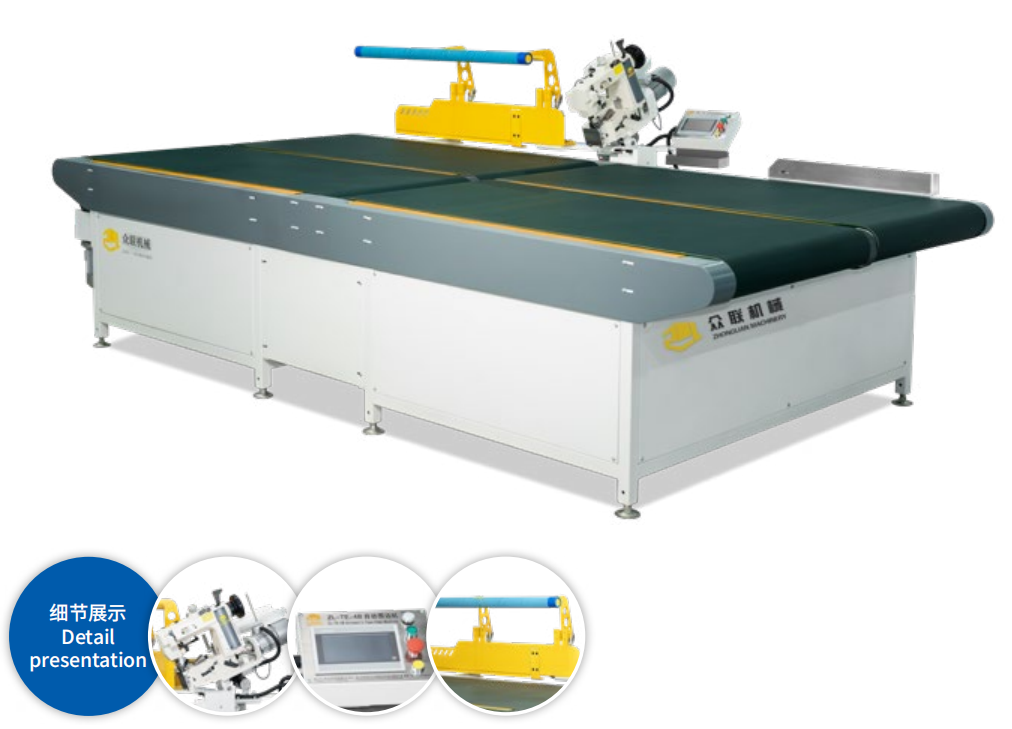
In today’s mattress market, visual differentiation has become a core competitive factor. While comfort and internal structure remain essential, customers increasingly judge a mattress by its external appearance, especially decorative patterns on the surface and side panels. For manufacturers serving multiple brands, regions, or product tiers, the ability to switch quickly between different decorative patterns is no longer optional. It is a production necessity.
Traditionally, changing decorative patterns meant stopping the line, replacing mechanical components, recalibrating settings, and retraining operators. This process consumed time, increased error risk, and limited product flexibility. Modern mattress decorative pattern machines solve this problem by enabling fast, accurate, and repeatable pattern switching without disrupting production rhythm.
This article explains how mattress decorative pattern machines achieve rapid multi-pattern switching, focusing on control logic, mechanical design, workflow organization, and real factory application rather than surface-level features.
Foar referinsje nei ferwante apparatuer en yntegrearre produksje-konsepten, kinne jo de ynterne bedriuwsside rieplachtsje:
https://mattressmachineryzl.com/
Why Fast Pattern Switching Matters in Mattress Manufacturing
Mattress manufacturers rarely produce a single model in large quantities anymore. Market demand has shifted toward:
- Multiple product tiers under one brand
- Regional customization
- Frequent design updates
- OEM and private-label production
In this environment, decorative patterns change frequently. If pattern switching is slow or unstable, factories face:
- Long downtime between orders
- Increased setup errors
- Hegere arbeidskosten
- Reduced responsiveness to customer demand
Fast pattern switching allows manufacturers to maintain efficiency while offering visual variety.
Limitations of Traditional Decorative Pattern Processes
Older decorative pattern machines rely heavily on mechanical templates or manual adjustment. These systems present several limitations.
Common problems include:
- Physical replacement of pattern components
- Manual recalibration of spacing and depth
- High dependence on operator experience
- Inconsistent results after changeover
Each pattern change introduces risk. Even small setup errors can lead to misaligned designs, uneven spacing, or rejected batches.
Modern machines eliminate these weaknesses by moving pattern control from hardware to software.

The Core Principle: Pattern Logic Moves from Hardware to Control Systems
The key to fast pattern switching is digitalization of pattern control.
Instead of defining patterns through fixed mechanical structures, modern decorative pattern machines store patterns as digital programs. Each pattern is defined by parameters such as:
- Stitch or tack position
- Spacing and repetition
- Movement path
- cURL Too many subrequests.
- cURL Too many subrequests.
cURL Too many subrequests.
cURL Too many subrequests.
cURL Too many subrequests. cURL Too many subrequests..
cURL Too many subrequests.
- cURL Too many subrequests.
- cURL Too many subrequests.
- cURL Too many subrequests.
cURL Too many subrequests.
cURL Too many subrequests.
- Fluch
- cURL Too many subrequests.
- cURL Too many subrequests.
cURL Too many subrequests.
cURL Too many subrequests.
cURL Too many subrequests.
- cURL Too many subrequests.
- Smooth acceleration and deceleration
- cURL Too many subrequests.
cURL Too many subrequests.
- cURL Too many subrequests.
- cURL Too many subrequests.
- cURL Too many subrequests.
- cURL Too many subrequests.
cURL Too many subrequests.
cURL Too many subrequests.
cURL Too many subrequests.
cURL Too many subrequests.
- cURL Too many subrequests.
- cURL Too many subrequests.
- cURL Too many subrequests.
cURL Too many subrequests.
cURL Too many subrequests.
cURL Too many subrequests.
cURL Too many subrequests.
- cURL Too many subrequests.
- cURL Too many subrequests.
- cURL Too many subrequests.
cURL Too many subrequests.
cURL Too many subrequests.
cURL Too many subrequests.
cURL Too many subrequests.
- Template replacement
- Mechanical spacing adjustment
- Manual recalibration
Modern decorative pattern machines reduce pattern changeover time from hours to minutes, or even seconds.
This dramatically improves line utilization, especially in factories handling short production runs or frequent order changes.
Reduced Setup Errors and Scrap Risk
Fast switching is valuable only if it is reliable.
Because pattern parameters are predefined and stored:
- Human error during setup is minimized
- First-piece quality is more predictable
- Scrap caused by incorrect adjustment is reduced
This reliability allows factories to confidently switch patterns without prolonged testing or rework.
Supporting Multiple Brands and Market Segments
Many mattress factories serve multiple brands or market segments simultaneously.
Fast pattern switching allows:
- One production line to serve multiple customers
- Brand-specific designs to be executed accurately
- Visual differentiation without structural changes
This flexibility increases the commercial value of the production line and reduces the need for dedicated equipment.
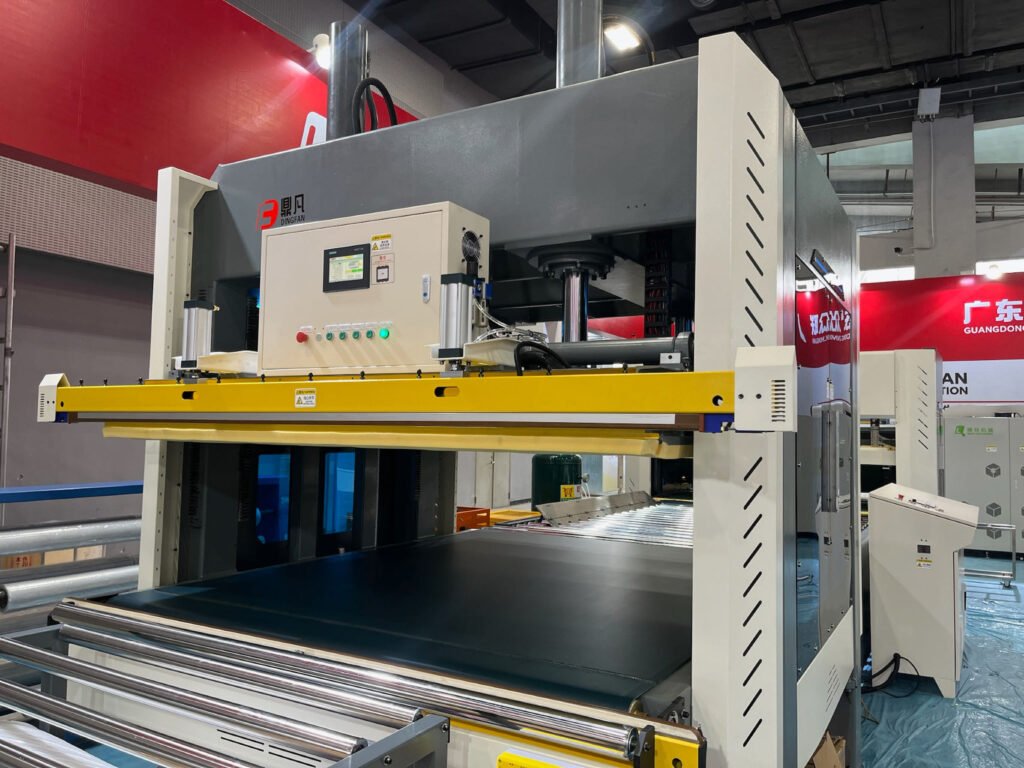
Yntegraasje mei automatisearre produksjelinen
Decorative pattern machines are increasingly integrated into automated mattress production lines.
Integration allows:
- Automatic triggering of pattern programs
- Coordination with upstream and downstream equipment
- Consistent orientation and alignment
When pattern switching is integrated into the line control logic, changeover becomes part of normal production flow rather than a disruptive event.
Mei mear ynformaasje oer yntegreare produksje-oplossingen kin men fûn wurde yn:
https://mattressmachineryzl.com/
Training Efficiency and Workforce Stability
Manual pattern adjustment requires highly experienced operators. This creates training pressure and labor risk.
With recipe-based pattern switching:
- Operators do not need design expertise
- Training focuses on system operation
- Quality remains stable despite personnel changes
This improves workforce flexibility and reduces dependency on a small number of skilled workers.
Long-Term Consistency Across Product Lifecycles
Decorative patterns often return after months or years. Manual systems struggle to reproduce old designs accurately.
Digital pattern storage ensures that:
- Historical designs can be recalled exactly
- Visual consistency is maintained across product lifecycles
- Brand identity remains stable over time
cURL Too many subrequests.
cURL Too many subrequests.
cURL Too many subrequests.
cURL Too many subrequests.
cURL Too many subrequests.
cURL Too many subrequests.
cURL Too many subrequests.
cURL Too many subrequests.
cURL Too many subrequests.
cURL Too many subrequests.
cURL Too many subrequests.
cURL Too many subrequests.
- cURL Too many subrequests.
- cURL Too many subrequests.
- cURL Too many subrequests.
- cURL Too many subrequests.
cURL Too many subrequests.
cURL Too many subrequests.
cURL Too many subrequests.
cURL Too many subrequests.
cURL Too many subrequests.
 Frisian
  English
  Vietnamese
  Spanish
  German
  French (France)
  French (Canada)
  Japanese
  German (Austria)
  Tibetan
  Danish
  Malayalam
  Indonesian
  Greek
Greek  Javanese
  Macedonian
  Galician