
Solving Common Issues with Quilting Machines: Expert Advice?
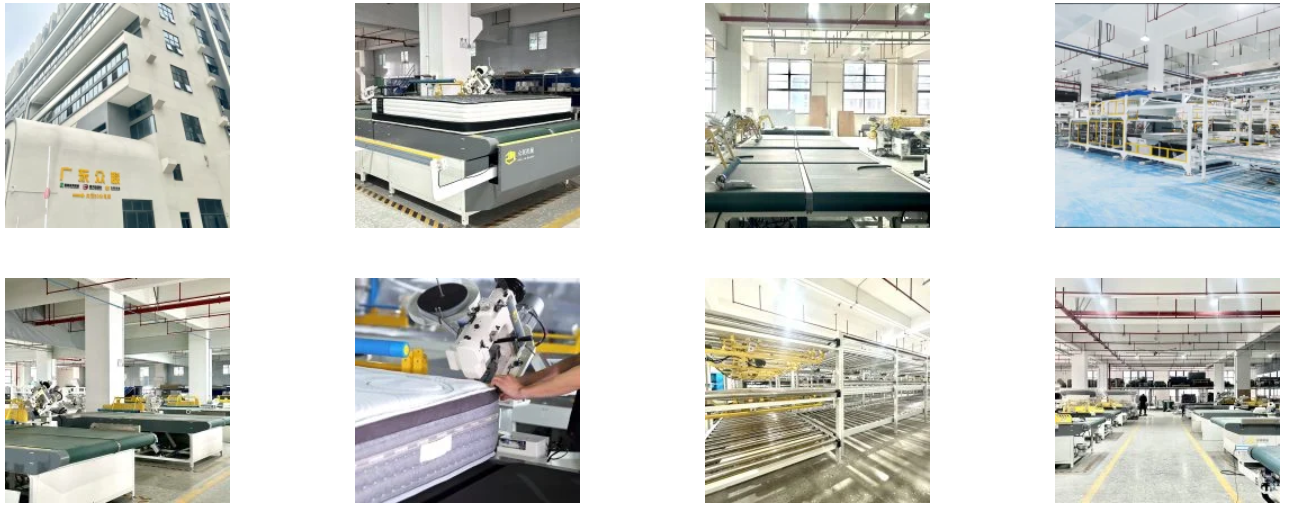
When your quilting machine misbehaves, it can ruin a project and your mood.
Most quilting machine issues—from tension trouble to fabric feeding—can be fixed quickly if you know what to look for. This guide walks through each common problem with expert solutions.
If you’re spending more time fixing your machine than sewing with it, you’re not alone. From beginner hobbyists to seasoned quilters, we’ve all hit snags—literally. But the good news? Most problems are preventable or fixable once you understand the causes.
Why does thread tension keep messing up?
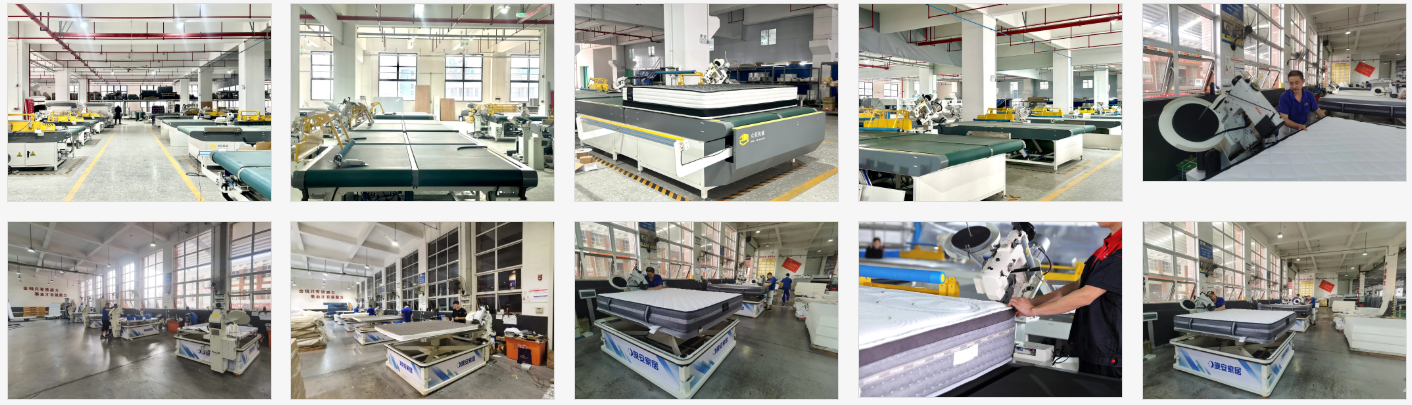
Stitches that loop, pucker, or break are often signs your tension is off.
Thread tension issues usually come down to incorrect settings or debris in the thread path. Balancing both upper and bobbin thread tension is key to clean, even stitching.
If the upper thread is too tight, the bobbin thread will pull through to the top of your quilt. If it’s too loose, you’ll see loops underneath. And if both tensions are off, you’ll end up with puckers and misaligned stitches.
How to fix it:
- Start with the default middle setting on your tension dial
- Stitch a test swatch and observe both sides
- If needed, adjust the tension one click at a time
- Clean your tension discs—lint buildup can interfere with thread flow
- For bobbin tension, only adjust if you’re experienced (use a bobbin tension gauge for precision)
Quick Tip:
Always test adjustments on scrap fabric similar to your actual project. Don’t risk your masterpiece.
What’s causing skipped stitches or broken needles?
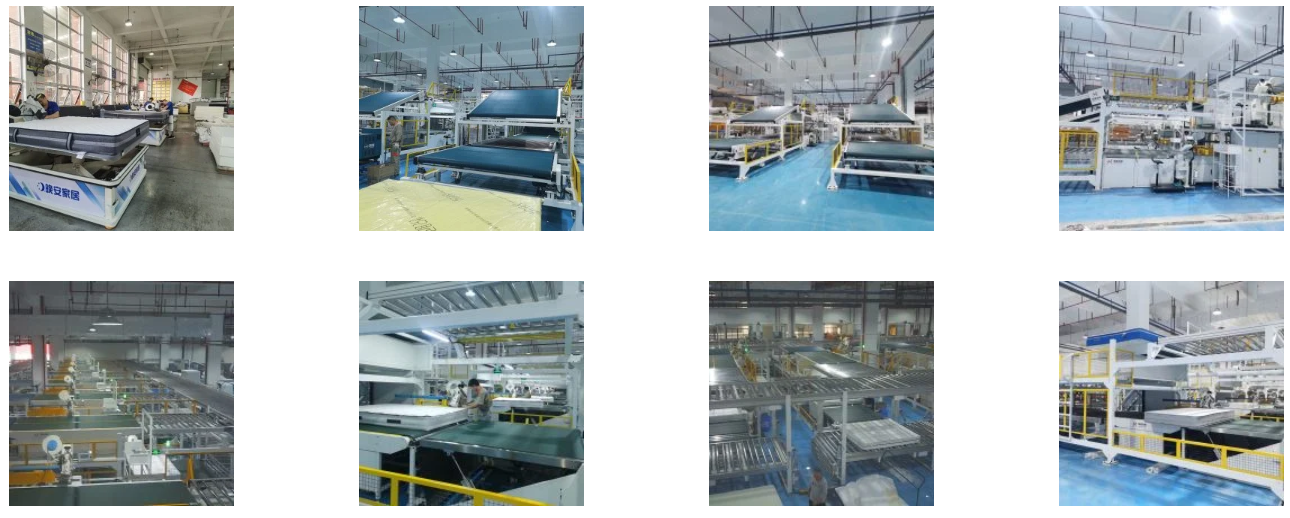
Skipped stitches and broken needles are frustrating—and they usually have simple causes.
The wrong needle size or a worn-out needle causes most skipped stitches. Replace your needle regularly and choose the right type for your fabric.
Thicker threads and multiple quilt layers require larger or specialty quilting needles. A universal 80/12 needle might be fine for piecing cotton, but you’ll need a 90/14 quilting needle or even a topstitch needle for dense batting.
Prevention tips:
- Change your needle every 8 hours of sewing
- For thick projects, don’t force the fabric—let the feed dogs work
- Match thread weight with needle size (thick thread = large needle eye)
- Use sharp needles, not just universal ones
Skipping stitches often signals a dull needle or incorrect installation. Make sure it’s fully inserted and facing the correct direction (flat side usually toward the back).
Why is my bobbin causing jams?
The bobbin may be small, but it causes big problems if it’s not loaded right.
Improperly wound or loaded bobbins cause thread nests, jamming, and tension inconsistencies. Always wind and load bobbins according to your machine’s manual.
cURL Too many subrequests.
- Wind bobbins evenly—no loose loops or gaps
- Don’t overfill; leave 1-2mm from the edge
- cURL Too many subrequests. cURL Too many subrequests. cURL Too many subrequests.
- cURL Too many subrequests.
cURL Too many subrequests.
cURL Too many subrequests.
cURL Too many subrequests. cURL Too many subrequests.cURL Too many subrequests.
cURL Too many subrequests.
cURL Too many subrequests.
cURL Too many subrequests.
cURL Too many subrequests.
| cURL Too many subrequests. | Frequency | cURL Too many subrequests. |
|---|---|---|
| cURL Too many subrequests. | cURL Too many subrequests. | cURL Too many subrequests. |
| cURL Too many subrequests. | cURL Too many subrequests. | cURL Too many subrequests. |
| cURL Too many subrequests. | cURL Too many subrequests. | Visual inspection |
| cURL Too many subrequests. | cURL Too many subrequests. | cURL Too many subrequests. |
cURL Too many subrequests.
cURL Too many subrequests.
cURL Too many subrequests.
cURL Too many subrequests.
cURL Too many subrequests.
cURL Too many subrequests.
- cURL Too many subrequests. cURL Too many subrequests. cURL Too many subrequests.
- cURL Too many subrequests. cURL Too many subrequests.cURL Too many subrequests.
- cURL Too many subrequests.
- cURL Too many subrequests. cURL Too many subrequests.
cURL Too many subrequests.
cURL Too many subrequests.
cURL Too many subrequests.
cURL Too many subrequests.
cURL Too many subrequests.
- Re-thread both top and bobbin paths slowly
- Check for burrs on the needle plate or hook
- Switch to a known brand of high-quality cotton/poly thread
- Make sure the spool isn’t snagging (use a thread net or stand)
If your thread keeps breaking at the needle, it might be fraying due to a small needle eye. Try a larger needle or topstitch needle to reduce friction.
How do I prevent machine jamming?
When your machine seizes up mid-seam, don’t panic.
Machine jams are typically caused by tangled thread, incorrect bobbin loading, or fabric caught in the feed dogs. Turn off the power before clearing a jam.
Safe recovery steps:
- Turn off the machine
- Remove the needle and presser foot
- Take out the bobbin case
- Gently remove all jammed thread using tweezers
- Rethread the machine and test on scrap
To prevent future jams:
- Don’t pull fabric through the machine
- Don’t sew over bulky seams at high speed
- Clean under the throat plate regularly
A smooth-running machine keeps your creativity flowing without stress.
結論
Fixing common quilting machine problems is easier when you know where to look—and how to prevent them next time.
カスタマイズされたソリューションについてはお気軽にお問い合わせください!皆さまと協力し、より明るい未来を共に築くことを楽しみにしています!
📞 | WhatsApp:+86 15220512074
📧E-mail:zhongliantec@gmail.com
Web | リンク:mattressmachineryzl.com
 Japanese
  English
  Vietnamese
  Spanish
  German
  French (France)
  French (Canada)
  German (Austria)
  Tibetan
  Danish
  Malayalam
  Indonesian
  Frisian
  Greek
Greek  Javanese
  Macedonian
  Galician