Market Trends in Mattress Machinery: What Manufacturers Need to Know? →
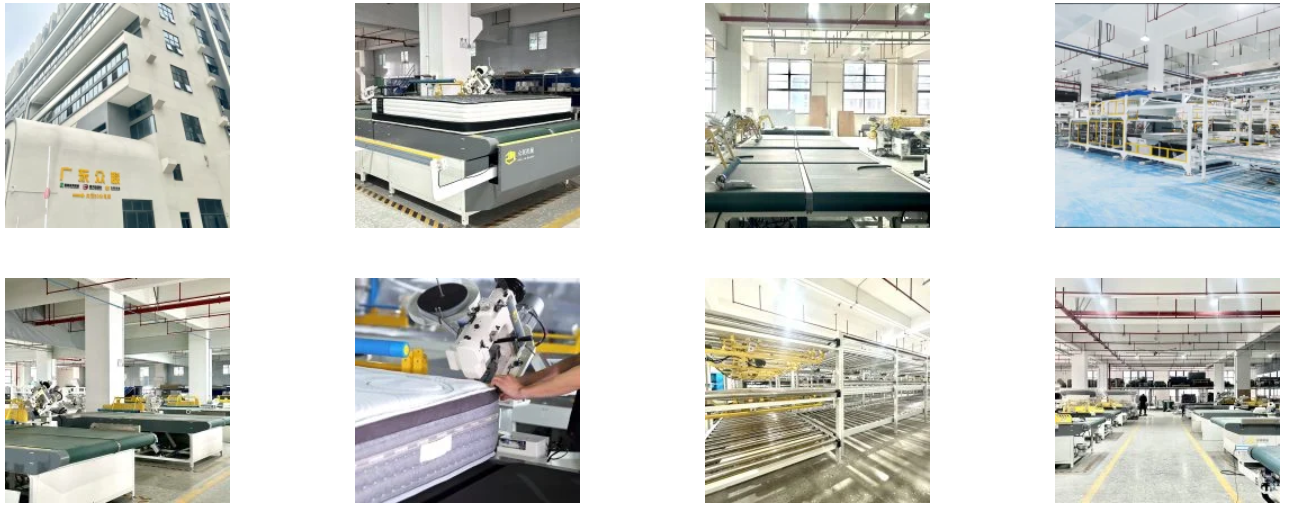
The mattress industry is shifting fast—rising labor costs, new materials, and customer demand for customization are all reshaping how factories operate.
To stay competitive, mattress machinery manufacturers must adapt to emerging trends like automation, sustainability, global demand shifts, and flexible production systems.
In this guide, I’ll walk through key trends we see affecting our customers in Southeast Asia, Europe, and beyond—and how smart machinery investment is becoming the backbone of mattress manufacturing success.
If you’ve ever walked through a bustling mattress factory in Jakarta or Milan, you’ll notice a precise choreography of machines—with each player handling a crucial step in the mattress-making process. Whether a manufacturer is chasing high-speed output or artisan-level detail, production typically relies on a few core types of machinery. Here’s a quick tour for the uninitiated:
Máy chần bông
Think of the quilting machine as the opening act—it sews together layers of fabric and padding to create that plush mattress surface. Modern quilting machines come in two main styles:
- Multi-needle machines crank out complex patterns at impressive speeds, ideal for large-volume production.
- Single-needle machines take their time, but reward you with the flexibility to produce intricate, custom patterns—perfect for luxury and bespoke lines.
Foam Cutting Machines
Once the top is quilted, it’s time to shape the comfort layers. Foam cutting machines use ultra-precise blades to create consistent foam cores:
- Horizontal cutters slice big foam blocks into delicate, even sheets (think memory foam or latex).
- Vertical cutters trim blocks into custom sizes or shapes—key for specialty designs or those quirky European mattress dimensions.
Máy viền băng keo
Here’s where the real “finishing school” happens. Tape edge machines stitch the sides of the mattress, locking everything together and giving it that clean, professional edge. You’ll find:
- Manual tape edge machines—great for smaller batches or when a human touch matters.
- Automatic systems—all about speed, consistency, and minimal labor, especially as demand scales up.
Border & Side Panel Machines
Borders aren’t just for show. These machines create the sturdy, decorative panels wrapping the mattress sides:
- Straight-line border machines for classic, functional looks at fast speeds.
- Decorative border machines for eye-catching designs and tactile touches—favored in the luxury market.
Spring Assembly Machines
For those making traditional innerspring or hybrid mattresses, spring assembly is where steel transforms into structure:
- Bonnell spring machines assemble hourglass-shaped coils, the workhorses behind budget and mid-tier models.
- cURL Too many subrequests. encase each spring individually, providing superior motion isolation—crucial for high-end sleep experiences.
In short, these machines form the backbone of every modern mattress factory, from Bangkok to Berlin. As tech evolves, the lines between speed, customization, and quality keep blurring—which brings us to the next big question:
How are technological advancements changing mattress machinery?
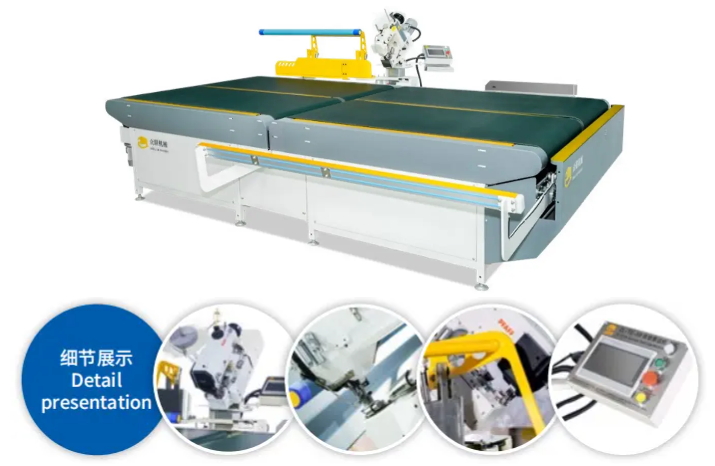
Old machines can’t keep up with today’s production demands.
cURL Too many subrequests.
cURL Too many subrequests.
cURL Too many subrequests.
cURL Too many subrequests.
cURL Too many subrequests. cURL Too many subrequests. Serta or Sealy cURL Too many subrequests.
In contrast, cURL Too many subrequests. cURL Too many subrequests. cURL Too many subrequests. cURL Too many subrequests.
cURL Too many subrequests.
cURL Too many subrequests.
cURL Too many subrequests.
cURL Too many subrequests.
- cURL Too many subrequests.cURL Too many subrequests. Sealy or Serta’cURL Too many subrequests.
- cURL Too many subrequests.cURL Too many subrequests. cURL Too many subrequests.’cURL Too many subrequests.
cURL Too many subrequests.
cURL Too many subrequests.
| Machine | cURL Too many subrequests. | Lợi ích |
|---|---|---|
| cURL Too many subrequests. | cURL Too many subrequests. | cURL Too many subrequests. |
| cURL Too many subrequests. | cURL Too many subrequests. | cURL Too many subrequests. |
| cURL Too many subrequests. | cURL Too many subrequests. | cURL Too many subrequests. |
cURL Too many subrequests.
cURL Too many subrequests.
cURL Too many subrequests.
cURL Too many subrequests.
Máy cắt viền băng tự động
cURL Too many subrequests.
- cURL Too many subrequests.
- cURL Too many subrequests.
- cURL Too many subrequests.
cURL Too many subrequests.
What role do tape edge machines play in mattress production?
Every mattress needs a crisp, finished edge—not only for looks, but for durability, too.
Tape edge machines are the unsung workhorses responsible for sewing the sturdy tape around the perimeter of each mattress, sealing the layers and creating that signature professional finish you see in every store showroom.
Manual vs. Automatic Tape Edge Machines
There are two primary types you’ll spot in a modern factory:
- Manual Tape Edge Machines: These rely on a skilled operator to guide the mattress by hand as it passes under the sewing head. Manual machines offer pinpoint control, making them ideal for special shapes and limited production runs, where flexibility is valued over speed.
- Máy viền băng tự động: Designed for high-volume production, automatic models use advanced feeds and motorized movement to sew edges swiftly and consistently with minimal human input. With these, a single operator can oversee multiple units running in sync—crucial for factories chasing faster throughput.
Tape edge machines are engineered to handle thick quilting, foam, and tough fabrics, ensuring every seam holds up under years of nightly use. Whether manual or automatic, they represent an essential step for manufacturers looking to balance quality, speed, and style.
What are the types of border machines and their specific uses?
Let’s talk borders. In modern mattress production, the border isn’t just decorative window dressing—it’s a key structural and branding component. Different types of border machines have evolved to help manufacturers meet both practical and design demands.
1. Straight Border Machines
These are the workhorses for crafting basic, clean-lined mattress borders. Think of them as the Toyota Corolla of border machines: efficient, reliable, and built for volume. If your factory runs standard designs at scale, straight border machines ensure quick turnarounds and consistent results with minimal operator fuss.
2. Decorative Border Machines
When aesthetics matter—especially for premium product lines—decorative border machines step in. With programmable patterns, embroidery, and stitching options, they transform a mattress border into a design statement. This is where higher-end brands like Hästens or Serta invest, using intricate borders to differentiate their product on the showroom floor.
When to Use Each Type:
- Straight border machines: Best for mid-range or budget mattresses requiring sturdy, functional sides without visual flair.
- Decorative border machines: Ideal for luxury models or brands aiming to stand out through distinctive finishes and textures.
Increasingly, many factories deploy both types, choosing the right border setup per SKU to balance speed, cost, and product appeal.
What are the differences between multi-needle and single-needle quilting machines?
When it comes to mattress quilting, manufacturers typically choose between multi-needle and single-needle machines—each option designed to fit different production priorities.
Multi-needle quilting machines are the go-to workhorses for high-volume production. These machines operate with multiple needles at once, rapidly sewing complex patterns across wide panels. The result? Consistent stitching, quick turnaround, and the uniformity large mattress factories crave. If your goal is efficient output and standardized designs, this is the machine type stacked along busy factory floors from Türkiye to Shenzhen.
On the other hand, single-needle quilting machines are the specialists. Yes, they’re slower, but that trade-off delivers far greater design flexibility. Single-needle systems shine when handling bespoke orders, intricate stitch motifs, and high-end mattresses requiring precision details. For manufacturers adding a luxury line—or custom features—a single-needle machine offers the control needed for artistic finishes.
So, the choice boils down to speed versus customization:
- Multi-needle for bulk runs and repeat patterns
- Single-needle for tailoring, detail, and design freedom
How do border machines enhance the appearance and support of mattresses?
Border machines play a crucial, often underappreciated, role in both the structural integrity and visual appeal of modern mattresses.
Function Meets Form:
On the functional side, border machines reinforce the mattress edges, offering extra support right where it matters most—along the sides. This added reinforcement helps the mattress keep its shape over time, prevents sagging, and improves edge durability, making sure sleepers feel supported whether they’re sitting, lying, or bouncing on the edge (we all do it).
cURL Too many subrequests.
cURL Too many subrequests.“
cURL Too many subrequests.
- cURL Too many subrequests.
- cURL Too many subrequests.
cURL Too many subrequests.
cURL Too many subrequests.
cURL Too many subrequests.
- cURL Too many subrequests. cURL Too many subrequests.
- cURL Too many subrequests., cURL Too many subrequests.
cURL Too many subrequests.
cURL Too many subrequests.
cURL Too many subrequests.
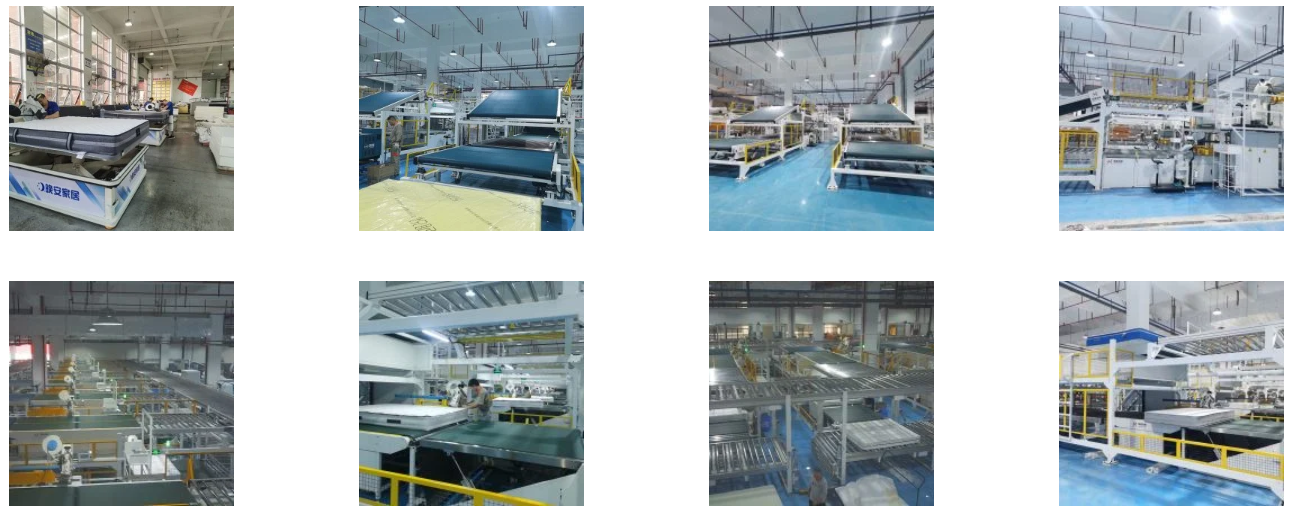
cURL Too many subrequests.
cURL Too many subrequests.
cURL Too many subrequests.
cURL Too many subrequests.
- cURL Too many subrequests.
- cURL Too many subrequests.
- Remote support and diagnostics
- cURL Too many subrequests.
cURL Too many subrequests.
cURL Too many subrequests. cURL Too many subrequests. cURL Too many subrequests. cURL Too many subrequests. cURL Too many subrequests.
cURL Too many subrequests.
cURL Too many subrequests.
cURL Too many subrequests.
| Tính năng | Lợi ích |
|---|---|
| cURL Too many subrequests. | cURL Too many subrequests. |
| cURL Too many subrequests. | cURL Too many subrequests. |
| cURL Too many subrequests. | cURL Too many subrequests. |
| cURL Too many subrequests. | cURL Too many subrequests. |
cURL Too many subrequests.
cURL Too many subrequests.
cURL Too many subrequests.
Our mattress gluing lines support both pocket coil and bonnell bases with one-touch parameter switches. Modular quilt machines allow swapping patterns mid-shift. The goal is maximum flexibility for mixed-size orders and small-batch production.
Where is the global market heading?
Demand is booming—but it’s no longer centered only in Europe or the U.S.
Countries like India, Vietnam, Brazil, and the Philippines are rapidly expanding their local mattress production.
We see strong demand for semi-automatic lines in these regions, where labor is still affordable but quality is key. In the U.S. and EU, high-speed, highly automated lines are now the norm. Machinery manufacturers must offer regional solutions that match cost, capacity, and compliance needs.
Key Markets to Watch
| Region | Trend |
|---|---|
| cURL Too many subrequests. | Fast growth in semi-automated plants |
| North America | Demand for high-output, labor-saving systems |
| cURL Too many subrequests. | Green standards + high safety compliance |
| LATAM | Emerging exports driving machinery upgrades |
Are compliance and certifications more important now?
Yes—and not just for export.
Governments and buyers are demanding CE, UL, ISO, and other standards to ensure machines meet safety and performance specs.
We provide all machines with CE certification by default, and customize builds to meet UL or voltage requirements. Machines also now need to handle fire-retardant materials, low-VOC glues, and precise label tracking for regulations.
How do cost and ROI factor into machinery decisions?
Machinery is a big investment. But the right one pays itself back—fast.
Focus on machines with short ROI periods (12–18 months), low maintenance, and future-upgradable features.
One of our best-selling models recovers its full cost in under a year for most clients. That’s because it saves on glue, labor, and rejects—all at once.
ROI Calculation Sample
| Mục | Monthly Savings | Annual |
|---|---|---|
| Labor (1 less worker) | $600 | $7,200 |
| Glue optimization | $300 | $3,600 |
| cURL Too many subrequests. | $400 | $4,800 |
| Total Yearly | — | $15,600 |
Kết luận
The mattress machinery market is moving fast—toward smarter, greener, more flexible systems. Manufacturers who adapt to these trends will lead the way in quality, cost-efficiency, and market share.
Liên hệ với chúng tôi để có giải pháp phù hợp! Chúng tôi mong muốn hợp tác với bạn và cùng nhau xây dựng một tương lai tươi sáng hơn!
📞 | WhatsApp:+86 15220512074
📧Email:zhongliantec@gmail.com
Web | Liên kết:mattressmachineryzl.com
 Vietnamese
  English
  Spanish
  German
  French (France)
  French (Canada)
  Japanese
  German (Austria)
  Tibetan
  Danish
  Malayalam
  Indonesian
  Frisian
  Greek
Greek  Javanese
  Macedonian
  Galician