How Are Mattresses Made? The Complete Manufacturing Process
How Are Mattresses Made? The Complete Manufacturing Process
Giới thiệu
Have you ever wondered what goes into making a mattress? A high-quality mattress isn’t just layers of foam or springs—it’s a carefully engineered product designed for comfort, support, and durability. Understanding the mattress-making process can help you choose the right mattress and appreciate the craftsmanship behind it.
Mattresses are made using a combination of materials such as foam, coils, latex, and fabric. The manufacturing process includes designing the structure, assembling core layers, applying upholstery, and finishing with a durable cover. Each step ensures comfort, support, and longevity.
Now, let’s explore how mattresses are made, from raw materials to the final product.
What Are the Main Components of a Mattress?
1. Support Core
The support core is the foundation of a mattress, responsible for maintaining spinal alignment and overall comfort. Common types include:
- Innerspring System: Uses metal coils to provide bounce and support.
- Foam Core: High-density polyurethane foam offers stability and motion isolation.
- Hybrid Core: A combination of coils and foam for a balance of support and pressure relief.
- Latex Core: Made from natural or synthetic latex for durability and resilience.
2. Comfort Layers
These layers enhance the softness and pressure relief of the mattress. They can be made from:
- Memory Foam: Contours to the body for pressure relief.
- Gel-Infused Foam: Enhances cooling and regulates temperature.
- Natural Latex: Offers breathability and a responsive feel.
- Fiber Fillings: Materials like wool or cotton add plushness and moisture-wicking properties.
3. Mattress Cover
The outer fabric of the mattress protects the inner layers and improves aesthetics. Common materials include:
- Quilted Cotton or Polyester: Adds cushioning and durability.
- Bamboo Fabric: Naturally breathable and moisture-resistant.
- Knitted Covers: Stretchy and soft, often found in modern mattresses.
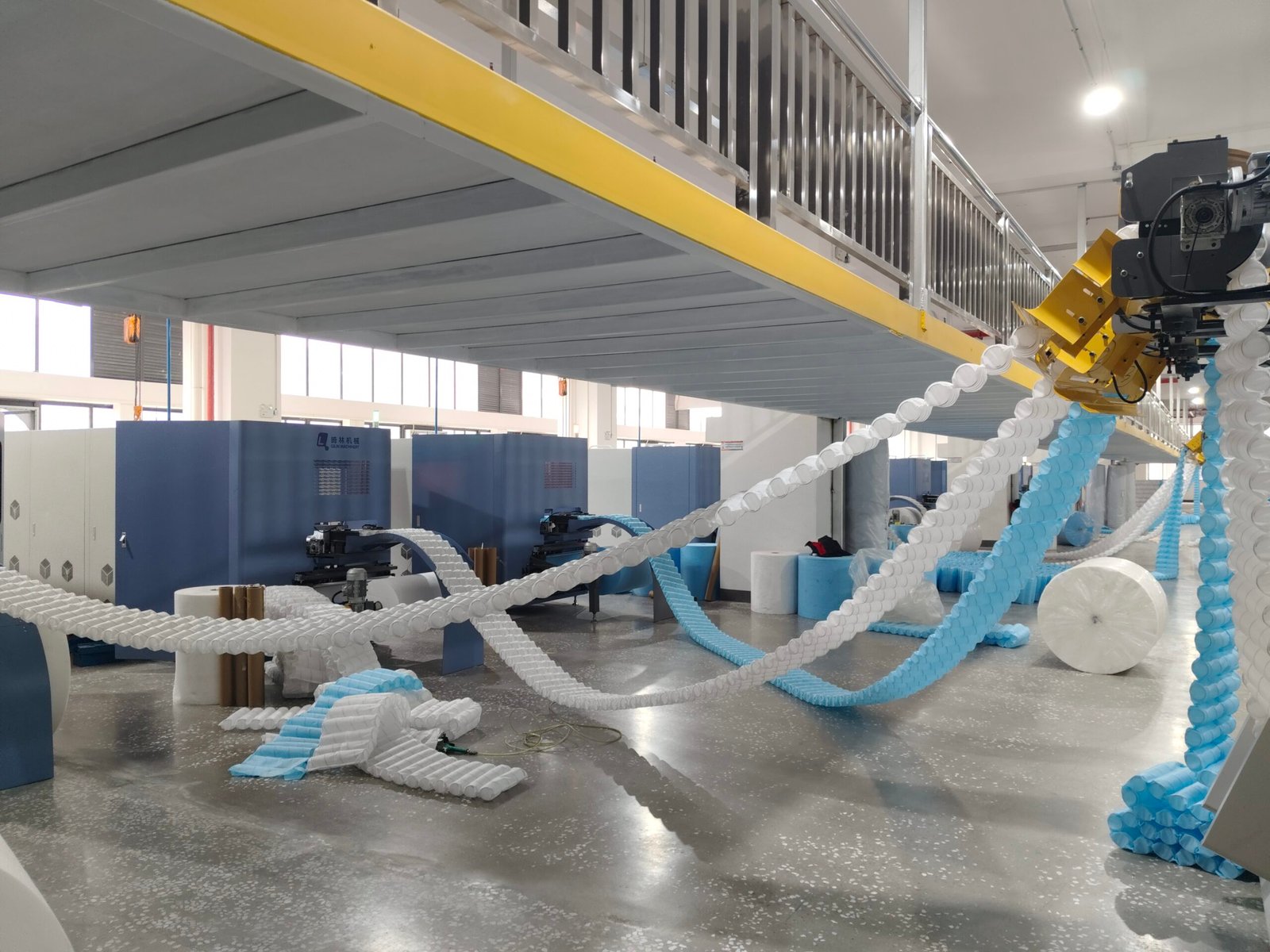
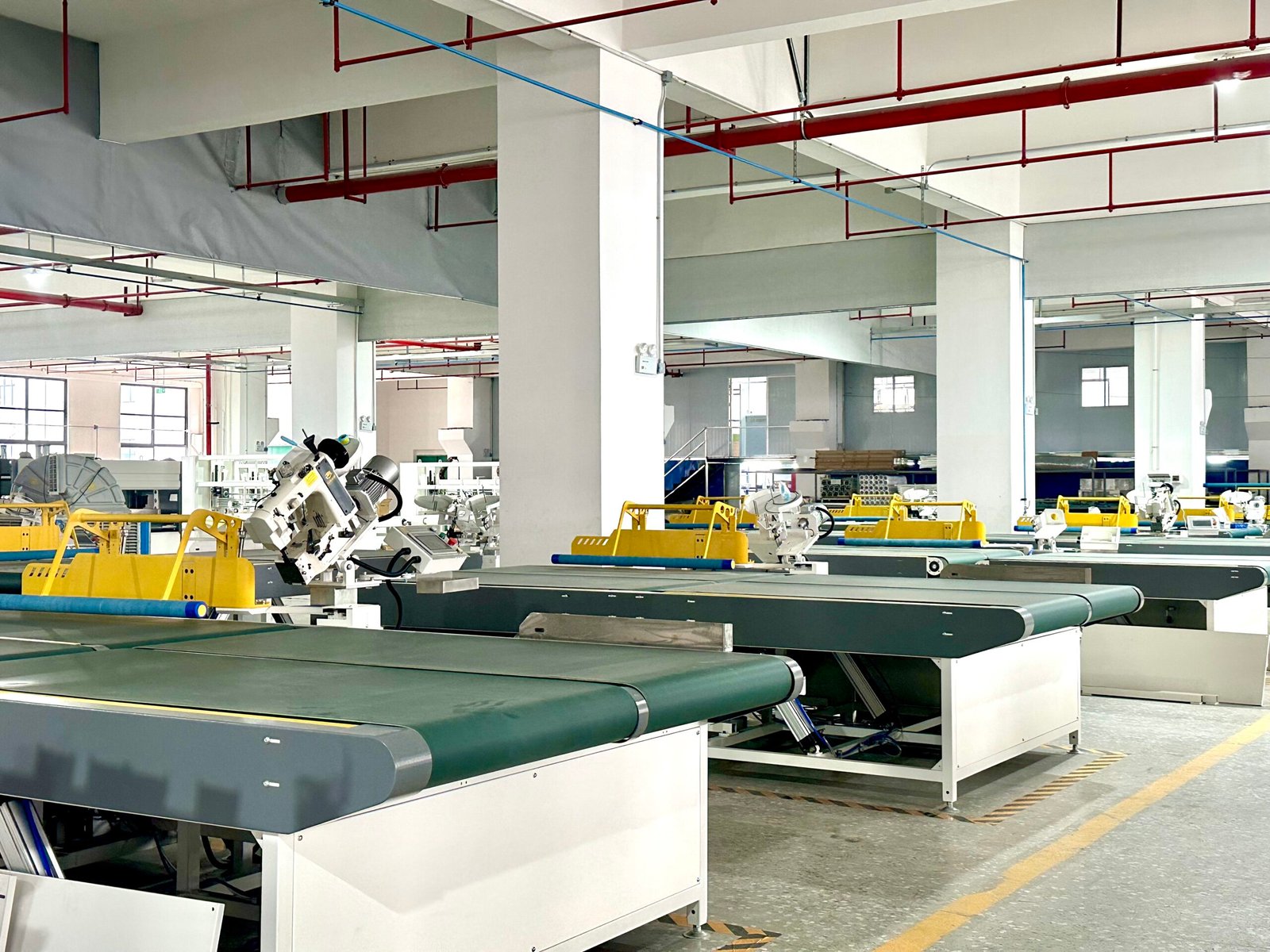
The Mattress Manufacturing Process
Step 1: Material Selection
The first step in mattress production is choosing the right materials based on comfort, durability, and budget. This includes:
- Selecting foam densities for softness or firmness.
- cURL Too many subrequests. coil gauge cURL Too many subrequests.
- cURL Too many subrequests. cURL Too many subrequests. cURL Too many subrequests.
cURL Too many subrequests.
cURL Too many subrequests.
- Foam Cutting Machines: cURL Too many subrequests.
- cURL Too many subrequests. cURL Too many subrequests.
- Máy may chần: cURL Too many subrequests.
cURL Too many subrequests.
cURL Too many subrequests.
- Chiều cao của cURL Too many subrequests. cURL Too many subrequests.
- cURL Too many subrequests. cURL Too many subrequests. cURL Too many subrequests.
- cURL Too many subrequests.
cURL Too many subrequests.
cURL Too many subrequests.
cURL Too many subrequests. cURL Too many subrequests.. cURL Too many subrequests.
- cURL Too many subrequests. cURL Too many subrequests.
- cURL Too many subrequests. cURL Too many subrequests.
- cURL Too many subrequests. cURL Too many subrequests.
cURL Too many subrequests.
cURL Too many subrequests.
- cURL Too many subrequests. cURL Too many subrequests.
- cURL Too many subrequests. cURL Too many subrequests.
- cURL Too many subrequests. cURL Too many subrequests.
cURL Too many subrequests.
cURL Too many subrequests.
- cURL Too many subrequests. cURL Too many subrequests.
- Box Packaging: Ideal for "bed-in-a-box" models.
- Traditional Flat Packing: Used for innerspring and luxury mattresses.
Different Types of Mattresses and Their Construction
1. Nệm lò xo
Composition: Metal coils + foam or fiber padding.
Pros: Durable, affordable, breathable.
Cons: Can be noisy, prone to sagging over time.
2. Memory Foam Mattresses
Composition: Polyurethane foam layers.
Pros: Excellent pressure relief, motion isolation.
Cons: Can retain heat if not infused with cooling technology.
3. Nệm Hybrid
Composition: Innerspring coils + foam or latex layers.
Pros: Combines support and cushioning, good airflow.
Cons: More expensive than traditional mattresses.
4. Latex Mattresses
Composition: Natural or synthetic latex.
Pros: Highly durable, hypoallergenic, eco-friendly.
Cons: Expensive, can be heavy.
Choosing the Right Mattress for You
When selecting a mattress, consider:
- Sleeping Position: Side sleepers need softer support, while back sleepers require firmer options.
- Firmness Preference: Ranges from plush (soft) to extra-firm.
- Material Sensitivity: Latex is hypoallergenic; memory foam minimizes motion transfer.
- Durability Needs: Hybrid and latex mattresses last longer than innerspring models.
Kết luận
Mattress manufacturing is a detailed process that involves selecting high-quality materials, precise assembly, and rigorous quality control. Whether it’s an innerspring, memory foam, latex, or hybrid mattress, each type is designed to cater to different sleep preferences. Understanding how mattresses are made helps you make an informed choice for better sleep quality.
Now that you know the process behind mattress production, what type of mattress suits your needs best?
More detail pls contact us.
E-mail : zhongliantec@gmail.com
WhatsApp & Tel: +86 133 3640 1577
 Vietnamese
  English
  Spanish
  German
  French (France)
  French (Canada)
  Japanese
  German (Austria)
  Tibetan
  Danish
  Malayalam
  Indonesian
  Frisian
  Greek
Greek  Javanese
  Macedonian
  Galician