
A Beginner’s Guide to Building a Mattress Production Factory: Everything You Need to Know
How to Start a Mattress Production Factory: A Beginner’s Guide
Starting a mattress production factory can seem daunting, especially for beginners.
From selecting the right location to choosing equipment and managing operations, every step requires thoughtful planning.
This comprehensive guide walks you through everything you need to know to successfully establish a mattress production factory, tailored for new entrepreneurs.
Why Start a Mattress Production Factory?
The mattress industry offers a lucrative business opportunity due to the growing demand for high-quality sleep products.
Key Benefits:
- Growing Market: Global demand for mattresses is increasing due to rising awareness about sleep quality.
- Customizable Products: Opportunity to serve different markets, from economy to luxury.
- Scalability: Start small and expand as demand grows.
Ideal for Beginners:
- Initial investments can be adjusted based on budget.
- Modular equipment allows gradual scaling.
Step 1: Define Your Factory’s Vision
Key Questions to Ask:
- What type of mattresses will you produce?
- Options include pocket spring, memory foam, hybrid, or latex mattresses.
- Who is your target audience?
- Identify whether you’ll serve budget-conscious consumers, premium buyers, or businesses like hotels.
- What’s your production capacity?
- Start small (e.g., 50–100 mattresses daily) and plan for growth.
✅ Pro Tip: Conduct a market study to identify gaps and trends in your local or target market.
Step 2: Select the Right Location
Location Considerations:
- Proximity to Suppliers: Reduces transportation costs for springs, fabrics, foam, and adhesives.
- Access to Labor: Ensure a skilled or trainable workforce is available nearby.
- Infrastructure: Check for utilities like electricity, water, and road access.
Factory Size Recommendations:
- Small-Scale Production: 500–1,000 square meters.
- Medium-Scale Production: 1,500–3,000 square meters.
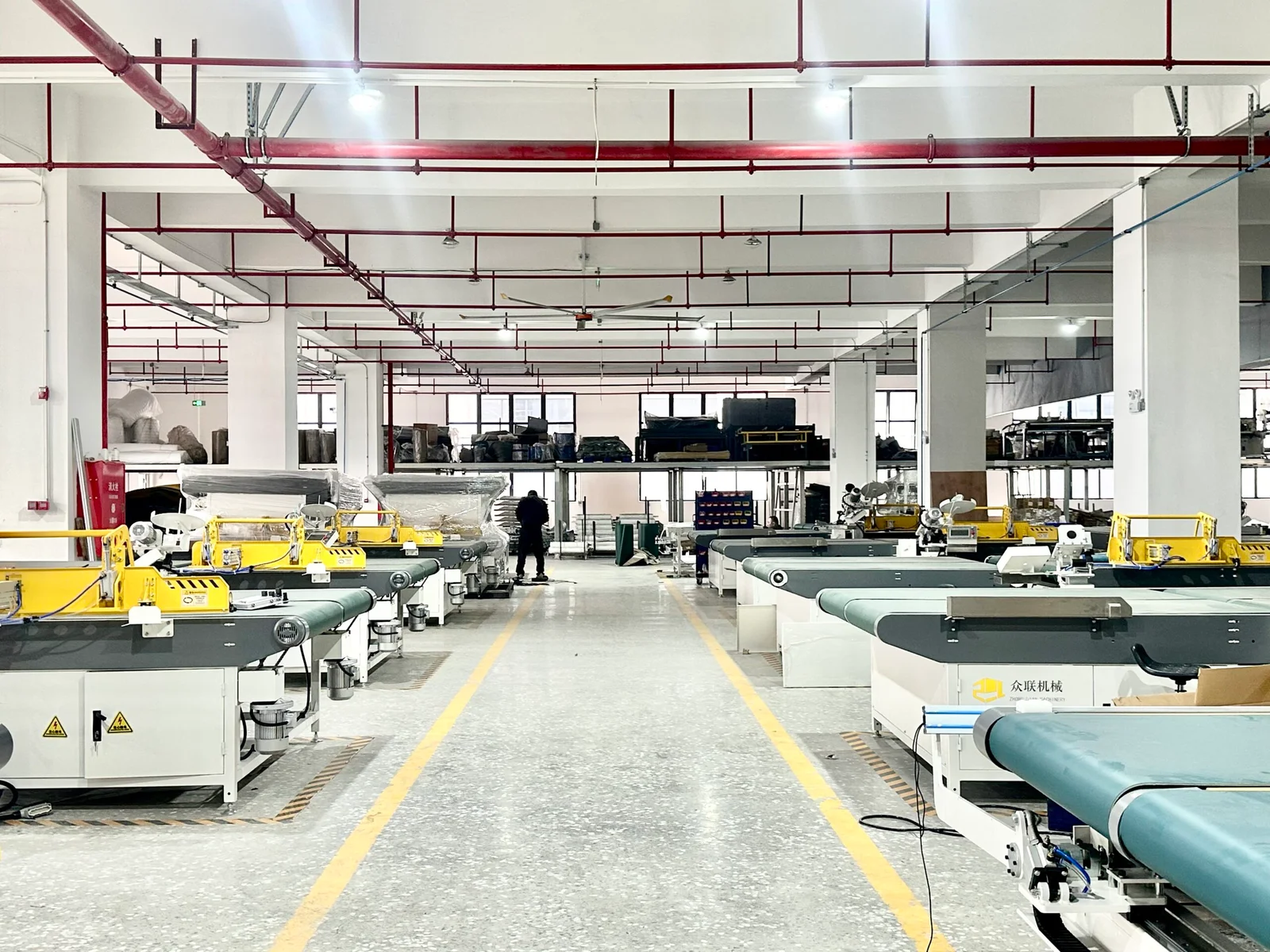
Step 3: Plan the Factory Layout
An efficient layout improves productivity and reduces operational costs.
Essential Zones:
- Raw Material Storage: Separate areas for foam, springs, and fabrics.
- Production Lines: Dedicated sections for spring assembly, mattress layering, and edge finishing.
- Quality Control: Space for testing and inspection.
- Packing and Shipping: Areas for wrapping and staging mattresses for delivery.
✅ Tips:
- Use lean manufacturing principles to reduce material handling time.
- Plan for future expansion when designing layouts.
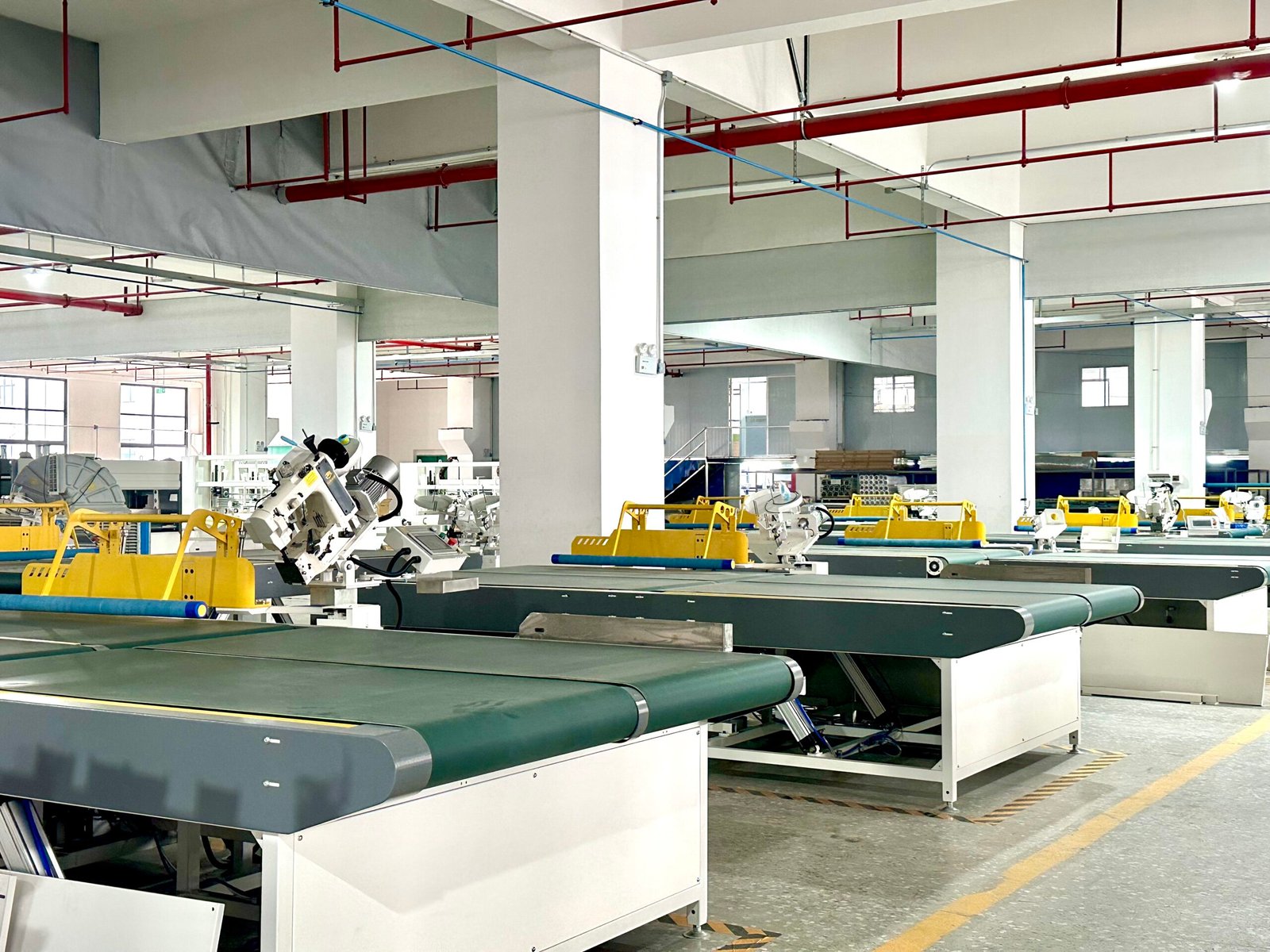
Step 4: Choose the Right Equipment
Must-Have Machines for Mattress Production:
- Pocket Spring Machines: For producing high-quality spring systems.
- Foam Cutters: For precision cutting of memory foam or latex layers.
- Quilting Machines: To stitch mattress covers with intricate patterns.
- Tape Edge Machines: For binding and finishing mattress edges.
- Hot Melt or Spray Adhesive Machines: For assembling foam and spring layers.
For Beginners:
- Start with multi-functional machines to save on initial investment.
- Opt for machines with automation to reduce dependency on skilled labor.
Step 5: Build Your Team
Key Roles:
- Machine Operators: Train them to handle production machinery efficiently.
- Quality Inspectors: Ensure products meet standards and customer expectations.
- Maintenance Technicians: Keep machines running smoothly.
- Logistics Staff: Manage inventory, packing, and shipping.
✅ Pro Tip: Partner with equipment suppliers that offer training programs for operators.
Step 6: Source Reliable Raw Materials
Essential Materials:
- Springs: Pocket springs, Bonnell springs, or continuous coils.
- Foam Layers: Memory foam, latex, or polyurethane foam.
- Fabric Covers: Knitted, quilted, or woven textiles.
- Adhesives: Hot melt or spray glue for mattress assembly.
✅ Tips for Beginners:
- Start with a few trusted suppliers to ensure consistent quality.
- Negotiate bulk discounts to reduce costs.
Step 7: Establish Quality Control Systems
Steps to Ensure Quality:
- Inspect raw materials for defects.
- Test finished mattresses for durability, comfort, and compliance with safety standards.
- Document processes to ensure consistency across production batches.
✅ Pro Tip: Invest in testing equipment to evaluate spring tension, foam density, and overall durability.
Step 8: Create a Marketing and Sales Strategy
How to Reach Customers:
- Local Retailers: Sell mattresses to furniture stores or specialty bedding shops.
- Direct-to-Consumer (DTC): Launch an e-commerce platform to sell directly.
- Business Contracts: Partner with hotels, hospitals, or dormitories.
Marketing Tips:
- Highlight product features like eco-friendly materials or customizable options.
- Offer discounts or trial periods for new customers.
Step 9: Budget and Financial Planning
✅ Pro Tip: Start with leased equipment or shared spaces to reduce initial investment.
Step 10: Comply with Industry Regulations
Checklist for Compliance:
- Fire safety standards for mattresses.
- Workplace safety regulations for employees.
- Environmental laws for waste disposal and material sourcing.
✅ Pro Tip: Work with a legal advisor to ensure compliance with local and international standards.
Step 11: Monitor and Optimize Operations
Key Metrics to Track:
- Production efficiency: Units produced per hour.
- Material wastage: Percentage of raw materials wasted.
- Customer feedback: Product satisfaction and return rates.
✅ Tip: Use factory management software to track performance and identify areas for improvement.
Conclusion
Starting a mattress production factory as a beginner is a rewarding venture with the right planning and execution.
By focusing on:
✔️ Efficient layouts
✔️ Reliable equipment
✔️ Quality control
You can establish a factory that meets market demands while maintaining cost-effectiveness.
With continuous improvement and adaptability, your factory will thrive in this competitive industry.
 English
  Vietnamese
  Spanish
  German
  French (France)
  French (Canada)
  Japanese
  German (Austria)
  Tibetan
  Danish
  Malayalam
  Indonesian
  Frisian
  Greek
Greek  Javanese
  Macedonian
  Galician