 Skip to content
How Fully Automatic Film Wrapping Machines Improve Mattress Packaging Efficiency
In the modern mattress manufacturing industry, packaging technology has become a critical factor influencing production efficiency, logistics costs, and overall market competitiveness. As global mattress demand continues to grow and online mattress sales increase, manufacturers are under pressure to improve packaging speed while maintaining consistent product protection.
Traditional mattress packaging methods often rely on manual wrapping or semi-automatic equipment. These methods are labor-intensive and can create bottlenecks in high-volume production environments. As mattress factories expand their production capacity, these traditional packaging approaches become less efficient and harder to manage.
To solve these challenges, many mattress manufacturers are adopting fully automatic film wrapping machines. These machines automate the process of wrapping mattresses with protective film before compression, rolling, or final packaging. By integrating film wrapping into automated production lines, factories can significantly improve packaging efficiency while reducing labor requirements.
Manufacturers seeking advanced mattress packaging equipment can explore automated machinery solutions available at https://mattressmachineryzl.com/. These systems are designed to support efficient mattress production and packaging for both domestic and international markets.
This article explains how fully automatic film wrapping machines work, why they are essential for modern mattress factories, and how they help improve packaging efficiency across the production process.
The Importance of Film Wrapping in Mattress Packaging
Film wrapping is one of the most important steps in mattress packaging. Before mattresses are compressed or rolled for transportation, they must be protected with packaging film.
The film wrapping process serves several purposes:
- protecting the mattress surface from dust and moisture
- preventing contamination during transportation
- stabilizing the mattress structure during compression
- improving the overall appearance of the packaged product
Without proper film wrapping, mattresses may become damaged or contaminated during storage and shipping.
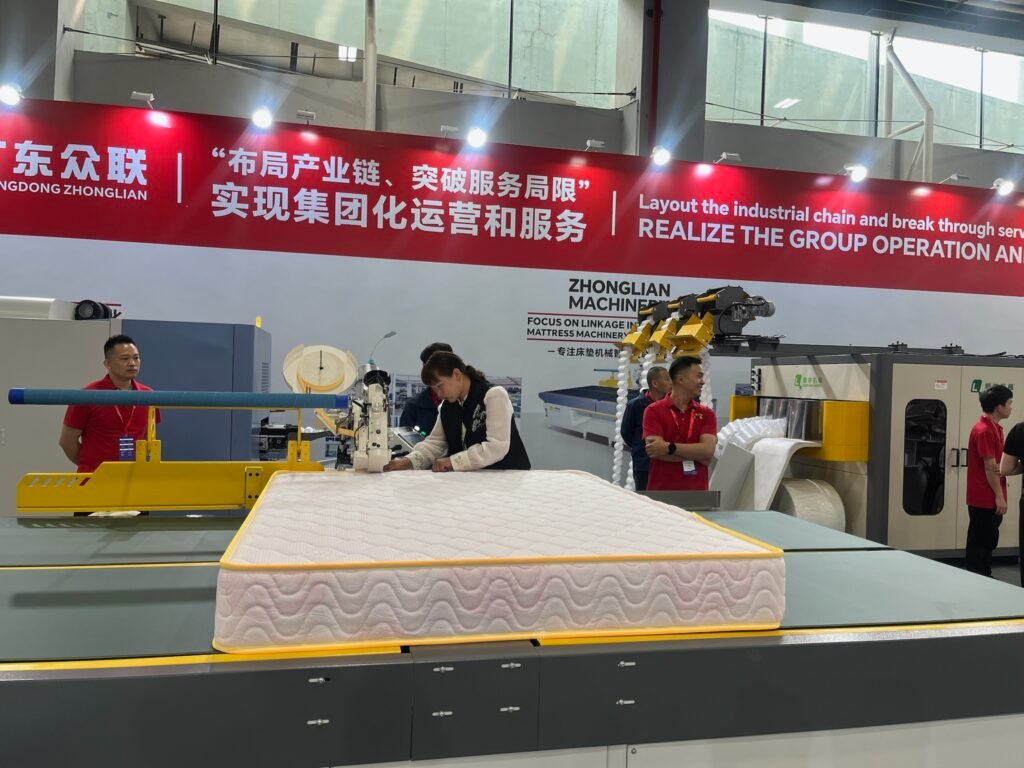
In traditional factories, film wrapping was often done manually. Workers would cover the mattress with plastic film and seal the edges before the mattress moved to the next packaging stage.
While this approach was workable for small-scale production, it created several inefficiencies in larger manufacturing environments.
Limitations of Traditional Manual Film Wrapping
Manual film wrapping methods create several operational challenges.
First, manual wrapping is time-consuming. Workers must position the film, wrap the mattress, and ensure proper coverage before sealing.
Second, manual wrapping often produces inconsistent results. Some mattresses may be wrapped tightly while others may have loose or uneven packaging.
Third, manual processes increase labor costs and require additional workers to maintain production speed.
Fourth, manual wrapping slows down automated packaging lines. If the wrapping process cannot keep up with the production line, the entire manufacturing process becomes less efficient.
For these reasons, many mattress manufacturers are transitioning to fully automatic film wrapping machines.
What Is a Fully Automatic Film Wrapping Machine?
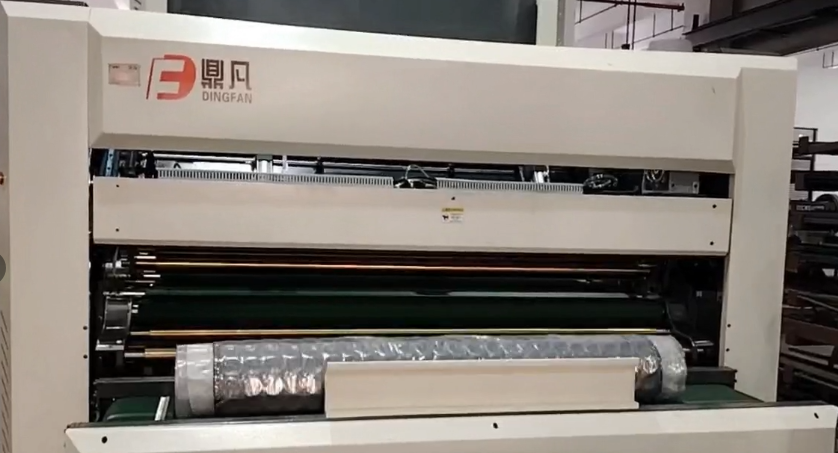
A fully automatic film wrapping machine is an industrial packaging system designed to wrap mattresses automatically with protective plastic film.
The machine performs several functions in a continuous workflow.
Typical operations include:
(1) receiving the mattress from the conveyor system
(2) automatically positioning the mattress
(3) feeding packaging film around the mattress
(4) sealing or cutting the film
(5) transferring the wrapped mattress to the next packaging stage
Because these processes are automated, the machine can operate continuously without manual intervention.
Fully automatic film wrapping machines are commonly integrated with compression machines, roll packing machines, and other packaging equipment.
Factories interested in advanced mattress machinery solutions can explore automated packaging systems available at https://mattressmachineryzl.com/.
Structural Components of Fully Automatic Film Wrapping Machines
Fully automatic film wrapping machines consist of several key structural components.
Each component plays a specific role in the packaging process.
Major components typically include:
- feeding conveyor system
- film feeding mechanism
- film wrapping unit
- sealing and cutting device
- control system
Feeding Conveyor System
The feeding conveyor transports mattresses from the production line to the film wrapping machine.
Sensors detect the arrival of each mattress and position it correctly within the wrapping station.
Stable conveyor movement ensures smooth operation and prevents product misalignment.
Film Feeding Mechanism
The film feeding mechanism supplies packaging film from a roll.
The system controls film tension and ensures that the correct amount of film is used for each mattress.
This helps maintain consistent packaging quality while minimizing material waste.
Film Wrapping Unit
The wrapping unit applies packaging film around the mattress.
Depending on the machine design, the wrapping unit may rotate the mattress or move the film around the mattress.
This ensures full coverage of the mattress surface.
Sealing and Cutting Device
After the mattress is wrapped, the machine seals and cuts the packaging film.
Heat sealing technology is often used to create strong and secure seals.
This step ensures that the film remains tightly wrapped around the mattress during storage and transportation.

Intelligent Control System
Modern film wrapping machines are equipped with PLC-based control systems.
Operators can adjust machine parameters using a touchscreen interface.
The control system manages:
- film feeding speed
- sealing temperature
- conveyor movement
- machine safety functions
Automation allows the machine to operate consistently and efficiently.
Comparison Between Manual Wrapping and Automatic Wrapping
The advantages of automatic film wrapping become clear when compared with manual methods.
| Packaging Method | Labor Requirement | Wrapping Speed | Packaging Consistency | Production Efficiency |
|---|---|---|---|---|
| Manual wrapping | High | Slow | Inconsistent | Low |
| Semi-automatic wrapping | Medium | Moderate | Relatively stable | Moderate |
| Fully automatic wrapping | Low | High | Highly consistent | High |
This comparison shows why many mattress factories are upgrading to fully automated film wrapping systems.
Key Advantages of Fully Automatic Film Wrapping Machines
Fully automatic film wrapping machines provide several important advantages for mattress manufacturers.
Increased Production Speed
Automation significantly increases packaging speed.
The machine can wrap mattresses continuously without interruptions caused by manual handling.
Reduced Labor Costs
Because the wrapping process is automated, fewer workers are required to operate the packaging line.
Factories can reduce labor costs while maintaining high production output.
Improved Packaging Consistency
Automated machines apply film evenly around each mattress.
This ensures that all packaged products meet the same quality standards.
Better Integration with Production Lines
Fully automatic wrapping machines can be integrated directly with mattress production lines.
This creates a continuous workflow from mattress assembly to final packaging.
Reduced Material Waste
Precise film feeding systems help minimize film usage and reduce packaging material waste.
Application Scenarios in Mattress Manufacturing
Fully automatic film wrapping machines are widely used in modern mattress factories.
Typical applications include:
(1) large mattress manufacturing facilities
(2) export-oriented mattress production plants
(3) automated mattress assembly lines
(4) mattress compression and roll packing systems
(5) e-commerce mattress production environments
These factories require packaging systems capable of handling large production volumes efficiently.
Manufacturers looking to upgrade their packaging technology can explore advanced mattress machinery solutions available at https://mattressmachineryzl.com/.
Integration with Compression and Roll Packing Systems
Film wrapping machines are often integrated with compression and roll packing equipment.
In many modern mattress factories, the packaging workflow includes:
- mattress assembly line
- automatic film wrapping machine
- compression machine
- roll packing machine
- palletizing or container loading system
This integrated workflow ensures that mattresses move smoothly from production to packaging and logistics.
Future Trends in Mattress Packaging Automation
The mattress machinery industry continues to develop new technologies aimed at improving production efficiency.
Future film wrapping machines are expected to include:
- intelligent sensors for automatic product detection
- AI-based packaging optimization
- energy-efficient film sealing systems
- flexible machines capable of handling multiple mattress sizes
These innovations will further enhance the efficiency and flexibility of mattress packaging systems.
Conclusion
Fully automatic film wrapping machines have become an essential part of modern mattress manufacturing operations.
By automating the process of wrapping mattresses with protective film, these machines significantly improve packaging efficiency while reducing labor costs and maintaining consistent packaging quality.
When integrated with compression and roll packing systems, automatic film wrapping machines help create highly efficient packaging production lines capable of handling large production volumes.
As mattress manufacturers continue to expand global distribution networks, investing in advanced packaging technology will become increasingly important.
Manufacturers interested in upgrading their packaging systems can explore automated mattress machinery solutions available at https://mattressmachineryzl.com/, where modern equipment supports efficient and scalable mattress production.
Adopting fully automatic film wrapping machines is an important step toward improving production efficiency, reducing operational costs, and strengthening competitiveness in the global mattress industry.
 English
  Vietnamese
  Spanish
  German
  French (France)
  French (Canada)
  Japanese
  German (Austria)
  Tibetan
  Danish
  Malayalam
  Indonesian
  Frisian
  Greek
Greek  Javanese
  Macedonian
  Galician