
How to Compress and Pack a Mattress?

Compressing and packing a mattress correctly is essential for reducing transportation costs and ensuring the mattress remains in good condition. This guide provides a step-by-step approach to selecting the right compression machine, preparing the mattress, operating the compression process, and packing it securely.
To compress and pack a mattress, use a hydraulic or pneumatic compression machine, vacuum-seal the mattress, wrap it in protective material, and secure it with durable packaging.
A well-compressed mattress not only saves space but also maintains its quality during storage and transit.
What Are the Best Compression Machines?
The mattress compression machine is the most critical piece of equipment in this process.
There are two main types of compression machines: hydraulic and pneumatic. Hydraulic machines provide higher compression force, while pneumatic machines are easier to operate and maintain.

Comparison of Compression Machines
| Type | Compression Force | Maintenance | Best for |
|---|---|---|---|
| Hydraulic | High | More complex | Harder mattresses |
| Pneumatic | Medium | Easier | Softer mattresses |
What Types of Machines Are Used for Mattress Compression and Packaging?
When it comes to compressing and packaging mattresses, specialized machines make the process straightforward and efficient.
Common machines used for mattress compression and packaging include:
- Mattress Compression Machine: This machine compresses the mattress by applying uniform pressure, helping to reduce its volume without damaging its structure.
- Film Heat Sealer: After compression, a film heat sealer is used to tightly seal the mattress in plastic, keeping out dust and moisture.
- Mattress Folding and Rolling Machine: Some machines can both fold and roll the mattress, making it even more compact for shipping or storage.
- Vacuum Roll Packing Machine: This type of machine creates a vacuum within the packaging bag, removing extra air and allowing the mattress to be rolled tightly and efficiently.
With the right machine—usually combining several of these functions—mattresses can be compressed, rolled, and sealed quickly, ensuring they stay protected and easy to handle.
How to Prepare for Mattress Compression?
A well-organized workspace ensures efficiency and safety.
Ensure the compression area is spacious, clean, and free of obstacles. Keep all necessary tools like vacuum bags, plastic film, and sealing tape within reach.
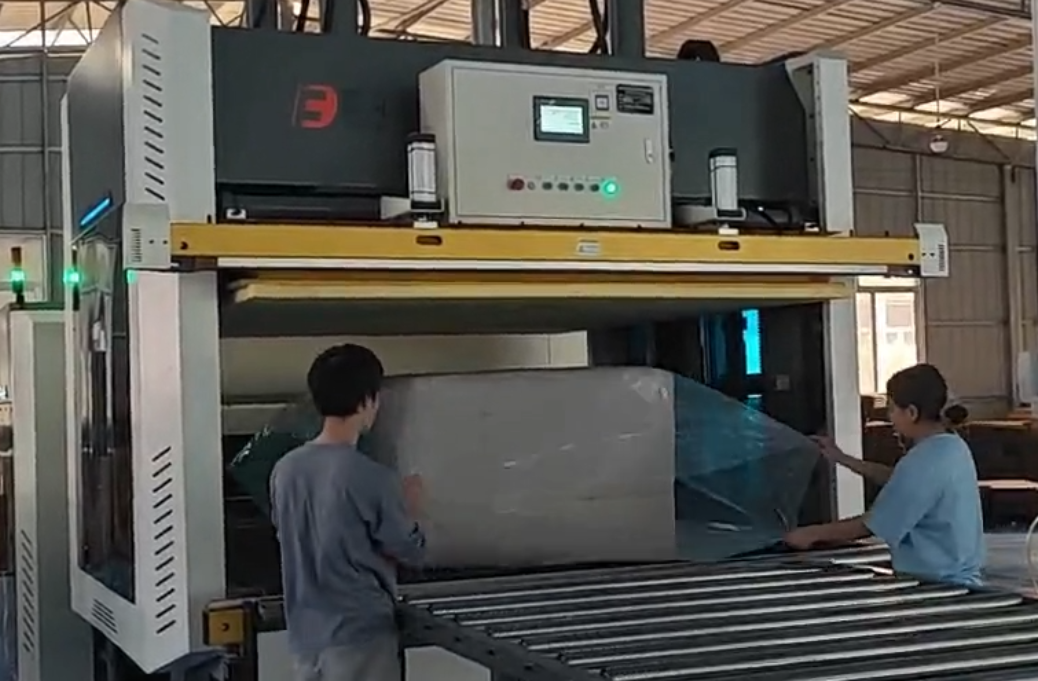
Steps to Prepare
- Clear the Area: Remove unnecessary items for easy maneuvering.
- Check the Equipment: Ensure the compression machine is functioning properly.
- Gather Materials: Have vacuum bags, plastic wrap, and tape ready.
What Are the Functions of a Mattress Compression or Roll Packing Machine?
A mattress compression or roll packing machine streamlines the process of reducing a mattress’s size for easier storage and shipment. These machines serve several key functions:
- Compressing: The machine applies even pressure to flatten the mattress, squeezing out excess air without damaging the materials inside.
- Vacuum Sealing: It helps secure the compressed mattress in an airtight bag, preserving freshness and reducing bulk.
- Folding or Rolling: After compression, the machine can either fold or roll the mattress to make it more compact, depending on the desired packaging method.
- Sealing: The final step uses heat to seal the film or bag, ensuring the mattress remains securely packaged until it’s time for unpacking.
These combined functions make it much simpler and safer to move, store, or transport mattresses—whether you’re relying on major moving companies, mailing via UPS or FedEx, or simply fitting a queen-sized bed into the back of your SUV.
How to Inspect the Mattress Before Compression?
Checking the mattress ensures quality and prevents damage.
Inspect the mattress for defects like tears, deformations, or irregularities. Address any issues before proceeding with compression.
Inspection Checklist
| Checkpoint | Description |
|---|---|
| Tears/Damage | No visible cuts or holes |
| Even Thickness | No deformations or uneven spots |
| Clean Surface | Free from dust and dirt |
How to Operate the Compression Machine?
Using the machine correctly ensures safe and efficient compression.
Set the compression force according to the mattress type, gradually apply pressure, and ensure an even distribution of force.
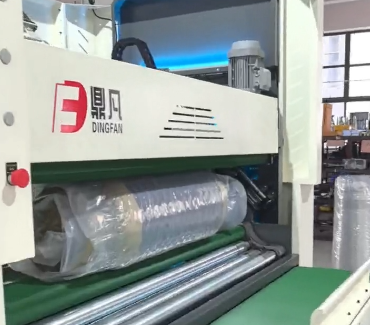
Compression Process
- Adjust the Machine Settings: Set the appropriate pressure level.
- Position the Mattress: Lay it flat inside the compression chamber.
- Initiate Compression: Gradually apply pressure while monitoring.
- Hold the Pressure: Keep the mattress compressed for a few seconds.
- Secure the Compression: Ensure it maintains the reduced size.
What Is the Best Way to Roll Up a Mattress After Compression?
Rolling up the mattress properly helps maximize space and keeps the compressed mattress in its most compact and manageable form.
Start at one end of the vacuum-sealed mattress and roll tightly, applying gentle, even pressure as you go. Leave the vacuum running if possible so it can continue to remove any remaining air as the mattress is rolled. Take your time to maintain a uniform roll, which makes storage and transport easier.
Rolling and Securing Tips:
- Roll Evenly: Begin at the foot or head of the mattress, keeping your roll as straight and compact as possible.
- Maintain Suction: If your vacuum allows, keep it running while rolling to extract trapped air.
- Use Protective Cushioning: Before securing with straps, place a soft cloth or towel between the mattress and each strap. This helps prevent the straps from cutting or damaging the material.
- Secure with Straps: Once rolled, fasten several strong straps—such as moving straps or heavy-duty rope—around the mattress. Tighten them just enough to hold the roll firmly.
- Keep Horizontal: To prevent strain and make handling safer, keep the rolled mattress horizontal during moving and storage.
- Box for Extra Protection (Optional): If you have a large box or storage case (like those used by movers), place the rolled mattress inside for added protection against bumps and tears.
By following these steps, you ensure the compressed mattress stays secure and ready for storage or transportation, keeping it protected until you’re ready to use it again.
Should You Fold a Mattress When Compressing?
Deciding whether to fold a mattress during compression depends on its size, construction, and how you plan to store or move it.
For longer mattresses (such as queen or king), folding can make handling and packaging easier—especially if space is limited. However, some mattresses—especially those with springs—should not be folded to avoid damaging the internal structure. Memory foam and latex mattresses are typically more flexible and can tolerate gentle folding if needed.
For smaller or thinner mattresses, folding often isn’t necessary. Rolling them after compression is usually sufficient for compact storage and transportation.
Tips for Safe Folding
- Check Manufacturer Guidelines: Some brands, like Tempur-Pedic or Casper, offer recommendations specific to their models.
- Fold Gently: If you fold, avoid sharp creases, and never force the mattress into a shape that strains the seams.
- Secure With Straps: Use sturdy straps to keep the compressed and folded mattress in place.
- Avoid Folding for Spring Mattresses: Coil or innerspring designs are best kept flat or gently rolled to prevent damage.
By considering these factors, you can choose the best method to compress your mattress while preserving its comfort and longevity.
How to Wrap the Compressed Mattress?
A secure wrap ensures the mattress remains compact.
Use durable plastic film to wrap the mattress tightly, preventing it from expanding during transportation.
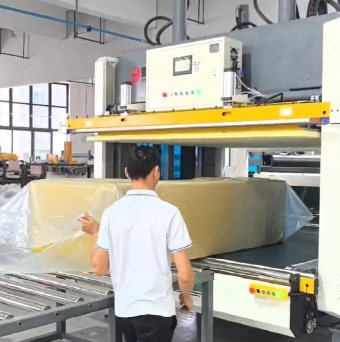
Wrapping Steps
- Use High-Strength Plastic: Ensures durability.
- Seal Tightly: Avoid loose wrapping that allows air to re-enter.
- Apply Multiple Layers: Strengthens protection against punctures.
How to Pack the Mattress in a Carton?
For additional protection, use a sturdy carton box.
A well-fitted box prevents external damage and enhances stackability during shipping.
Packing Steps
- Select the Right Box Size: Should fit the compressed mattress snugly.
- Insert the Mattress Carefully: Avoid sharp bends or creases.
- Reinforce Box Edges: Use extra tape for added durability.
- Label the Box: Indicate handling instructions and product details.
How to Pack a Compressed Mattress Into a Box
Once your mattress is fully compressed and rolled, the next step is packing it securely into a box for easy handling and attractive presentation.
Choose a sturdy cardboard box designed to fit the dimensions of your rolled mattress. Make sure the box is clean, dry, and free from damage.
Packing Steps:
- Prepare the Box: Open and reinforce the bottom of the box with packing tape to prevent splitting during transit.
- Insert the Mattress: Carefully lift and slide the rolled, strapped mattress into the box, keeping it centered to avoid damaging the edges.
- Seal the Box: Close the flaps and tape securely along all openings to keep out dust and moisture.
- Label Clearly: Mark the box with ‘This Side Up’ and ‘Fragile’ if necessary, ensuring handlers know to be gentle.
A properly packed mattress in a box not only protects the product but also provides a professional, retail-ready appearance—making it easier to move, store, or ship as needed.
Compressing a spring mattress involves slightly different steps, as the internal coils require careful handling to prevent damage. Specialized equipment is typically used for spring mattresses, especially for shipping and retail packaging.
For best results, use a mattress compression and roll-packing machine—commonly found at moving companies or available through professional mattress services. These machines safely compress and seal spring mattresses for transport, much like you would see with boxed mattresses from brands like Casper or Tuft & Needle.
Key Steps for Compressing a Spring Mattress:
- Machine Preparation: Place the mattress onto the bed of a compression machine, ensuring it is aligned evenly.
- Compression and Sealing: The machine will compress the mattress to reduce thickness, then securely heat-seal it in a durable plastic wrap to lock in compression.
- Folding Options: Depending on the mattress size, the machine may fold the mattress in half before rolling. Longer mattresses are often folded, while shorter ones may remain flat during the roll process.
- Roll Packing: The sealed mattress is then carefully roll-packed into a compact cylindrical shape, ready for boxing or further transport.
- Boxing: Place the rolled, compressed mattress into a sturdy cardboard box sized for the mattress. This keeps the mattress protected and makes handling much more convenient.
This method is especially popular for shipping mattresses directly to customers’ doors, as it ensures the mattress stays clean, compact, and easy to manage until ready for use.
How to Label and Ship the Mattress?
Proper labeling ensures smooth handling during transportation.
Include clear product information, handling instructions, and fragile labels if needed.
Labeling Checklist
| Label Type | Information Included |
|---|---|
| Product Name | Mattress model and size |
| Handling Instructions | “Do Not Stack,” “Keep Dry” |
| Barcode & Tracking | For logistics and inventory |
Conclusion
Compressing and packing a mattress requires precision, the right equipment, and careful handling. By following this structured process, manufacturers and businesses can ensure safe transportation, lower shipping costs, and maintain mattress quality for the end consumer.
Get in touch with us for tailored solutions! We look forward to collaborating with you and shaping a brighter future together!
📞 | WhatsApp:+86 15220512074
📧E-mail:zhongliantec@gmail.com
Web | Link:mattressmachineryzl.com
 English
  Vietnamese
  Spanish
  German
  French (France)
  French (Canada)
  Japanese
  German (Austria)
  Tibetan
  Danish
  Malayalam
  Indonesian
  Frisian
  Greek
Greek  Javanese
  Macedonian
  Galician