
Optimizing Production Flow: Strategies for Mattress Manufacturers?
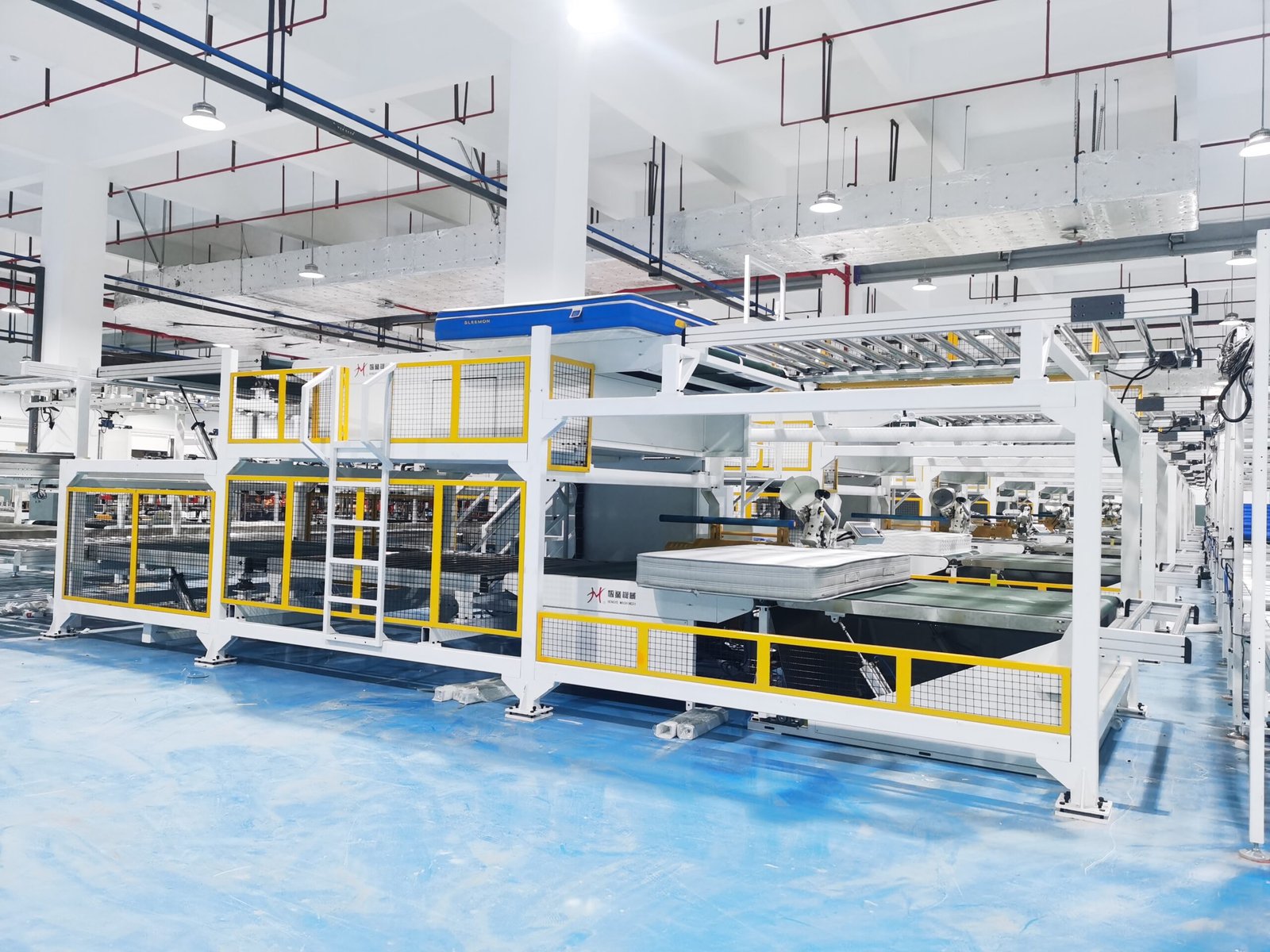
Production delays, high scrap rates, and inconsistent output are often symptoms of poor production flow.
Optimizing production flow improves efficiency, lowers costs, and boosts product quality in mattress manufacturing. It’s the foundation of scalable, profitable operations.
Without a streamlined system, even the best materials and machines fall short. Let’s dive into 10 strategies mattress factories can apply to optimize their production flow.
How should I assess my current production processes?
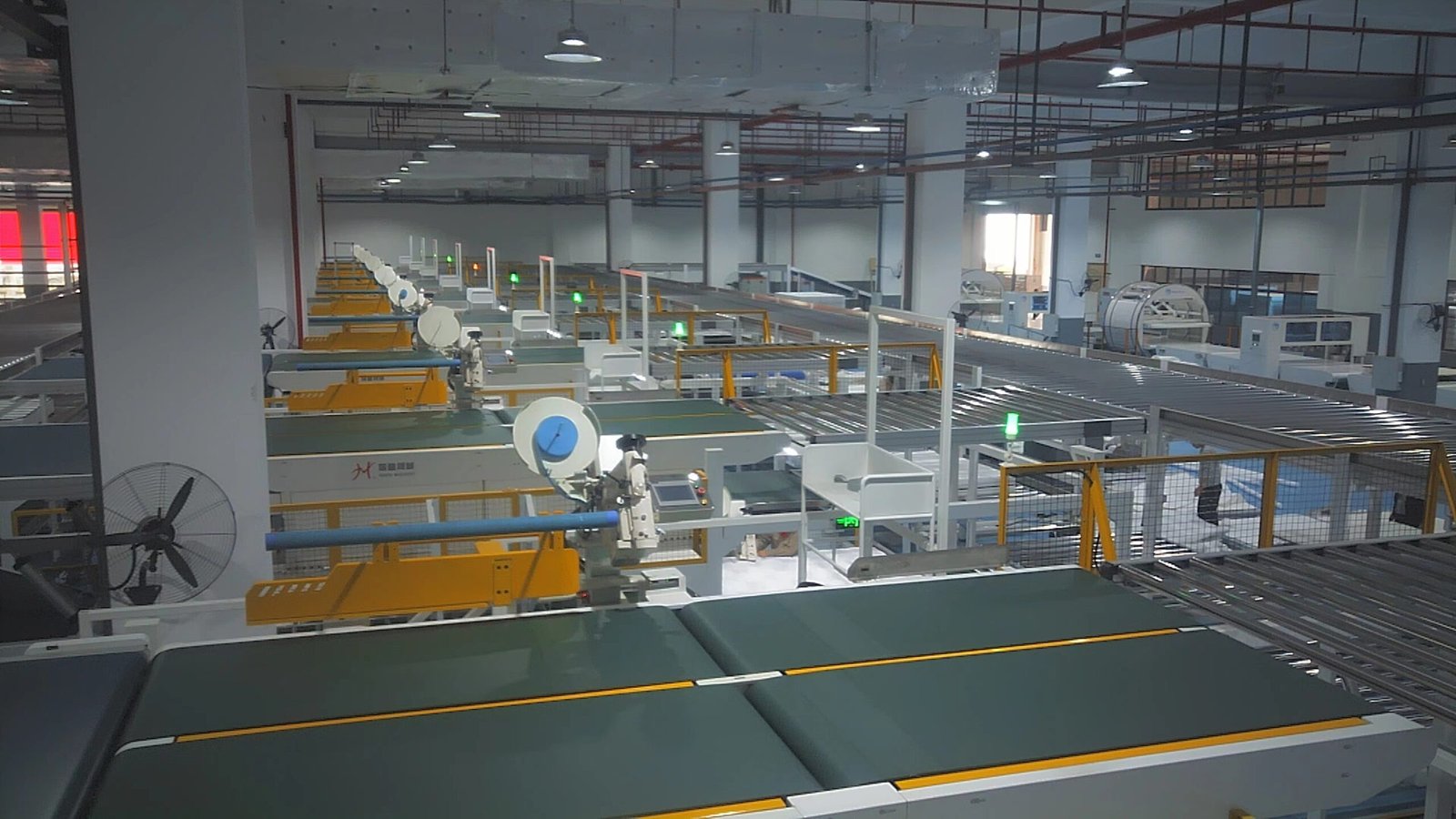
Many mattress factories rely on outdated layouts or “just get it done” habits that hide inefficiencies.
The first step to improvement is a full evaluation of your current workflow—mapping every station, material hand-off, and process to locate bottlenecks and delays.
Start with these tools:
- Process flowcharts of every manufacturing step
- Time-motion studies for key tasks like spring assembly or gluing
- Floor layout audits to assess space usage and movement efficiency
- Data review of downtime, scrap rates, and order cycle times
Look for:
- Repetitive material movements
- Queues forming between machines
- Idle operators waiting for inputs
Once you know where the slowdowns happen, you can fix them.
Should we implement lean manufacturing in a mattress factory?
Yes—and it doesn’t require a complete factory overhaul.
Lean manufacturing focuses on eliminating waste, improving flow, and driving continuous improvement. It’s perfectly suited to mattress production.
Key principles to start with:
- Kaizen (continuous improvement) – empower workers to suggest daily improvements
- 5S organization – Sort, Set, Shine, Standardize, Sustain
- Just-In-Time delivery – avoid overstocking foam, springs, covers
- Standard Work – define consistent steps for repetitive tasks (e.g., spring bag gluing)
Start small with one workstation or one shift, then scale. Many mattress plants begin with lean workshops focused on glue lines or packing areas.
How does automation improve mattress production flow?
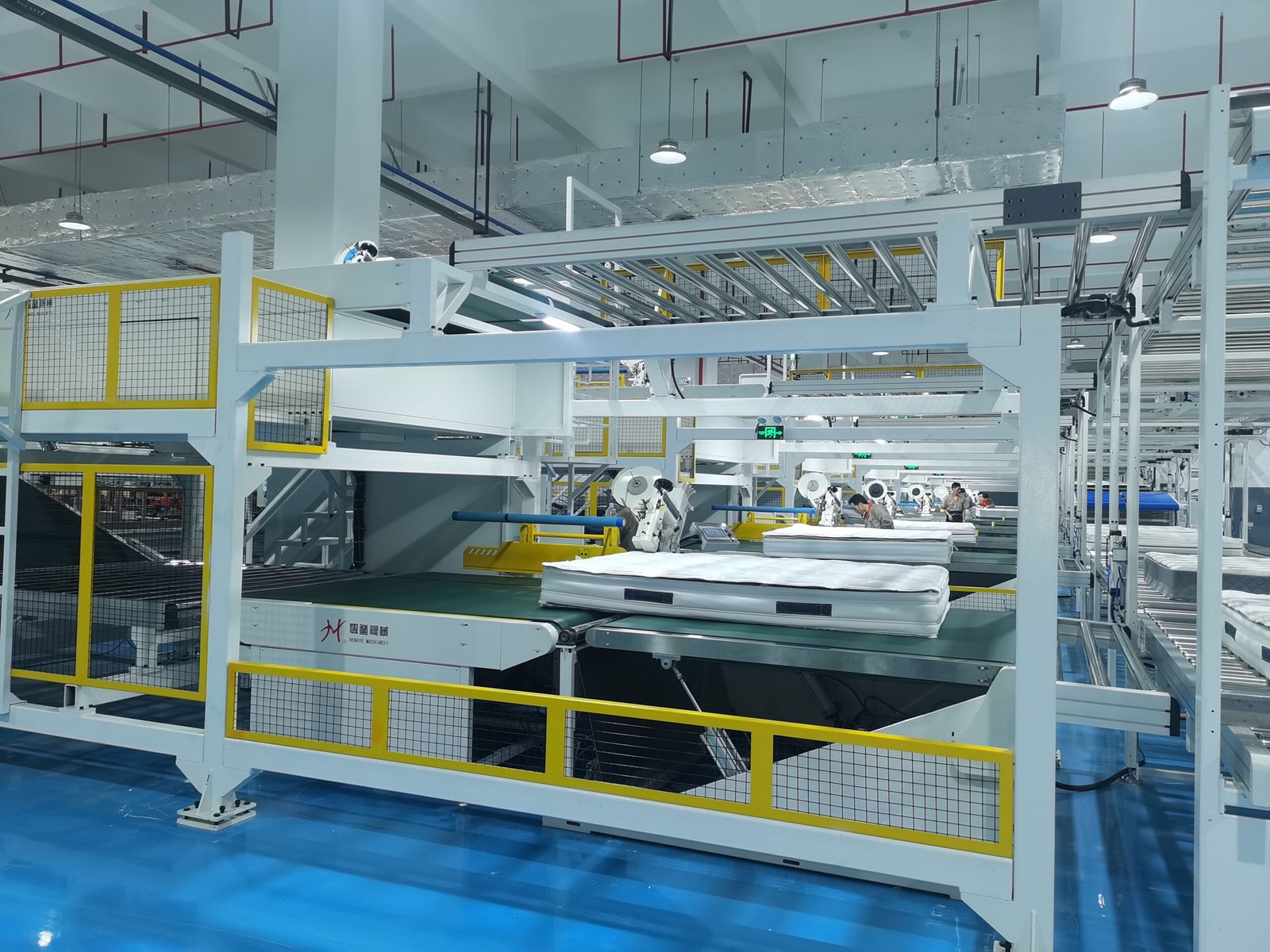
Manual work limits speed and repeatability—especially when demand increases.
Automation in cutting, gluing, rolling, and quilting allows for consistent quality, faster cycles, and fewer stoppages.
Start with:
- Automatic pocket spring coilers and gluing lines
- CNC foam cutters
- Servo-controlled gluing arms
- Programmable rolling & compression machines
These upgrades remove variability and reduce operator fatigue. Link machines with a central MES (Manufacturing Execution System) to monitor live status and outputs.
Automation also supports night shifts with minimal labor—boosting capacity without adding headcount.
How can we optimize our supply chain?
Late foam deliveries, mismatched cover SKUs, or a missing batch of pocket coils can bring your factory to a halt.
Streamlined supply chain management ensures timely inputs, predictable stock levels, and uninterrupted flow.
Strategies include:
- Vendor performance scoring (delivery lead time, defect rate)
- ABC inventory classification (high/medium/low frequency items)
- Buffer stock zones only where absolutely needed
- Barcode-based material tracking to reduce mix-ups
Consider integrating ERP systems that sync procurement, stock, and production planning. This prevents over-ordering or shortages—both of which create chaos.
What role does workforce training play?
Machines are only as good as the people running them.
Cross-training workers, updating SOPs, and holding weekly shift huddles can prevent skill bottlenecks and improve consistency.
In mattress factories, key training areas include:
- Correct spring loading and glue positioning
- Foam handling and cutting accuracy
- Safe and efficient machine start-up/shutdown
- Quick changeover skills for different product sizes
Build a matrix that shows who can run which stations. Cross-train 20–30% of staff to handle 2+ roles for better shift flexibility.
How does quality control support flow optimization?
Poor quality causes rework, delays, and inconsistent output—which kills flow.
Embedding quality checks at key points in the process prevents problems from moving downstream.
Best practices:
- In-line QC at foam cutting, spring gluing, and final compression
- Go/no-go gauges for quick operator checks
- First-article inspection when starting new batch runs
- Digital defect tracking system linked to operator IDs
Use this data to spot trends. Are most gluing issues on one shift? Is foam sagging tied to one supplier? Quality control feeds improvement.
What ergonomic and safety upgrades improve flow?
Injuries, fatigue, and inefficient movement reduce productivity—and hurt morale.
Ergonomic workstations reduce operator strain, speed up repetitive tasks, and lower absenteeism.
Improvements include:
- Height-adjustable gluing platforms
- Roller tables for moving heavy spring units
- Pneumatic lifters for foam blocks
- Anti-fatigue mats at standing stations
You can also run time-to-complete studies pre- and post-ergonomic upgrade to show measurable gains.
Can environmental initiatives affect production flow?
Yes—especially when waste reduction and energy use are tackled smartly.
Sustainability measures like material recycling, efficient glue systems, or waste heat recovery can improve layout, flow, and even reduce downtime.
Examples:
- Closed-loop foam dust extraction keeps air and floors cleaner
- Energy monitoring helps plan machine run times
- Eco-glue systems use less heat and reduce warm-up delays
- Lighting upgrades make inspection easier and reduce operator errors
Green doesn’t mean slow—it often leads to leaner systems.
How does customer feedback improve production planning?
Production flow should not be static—it should evolve with customer expectations.
Analyze product returns, warranty issues, and end-user reviews to tweak your build process and introduce modular product design.
For example:
- If buyers say “edges are too soft,” increase foam rail density or add side support springs
- If cover fit is inconsistent, update your cutting templates or quilting specs
- If wrinkles appear post-packaging, adjust compression pressure or sealing time
Design and production teams must collaborate weekly—not just monthly—so flow adjustments align with actual usage feedback.
What metrics should we track for continuous improvement?
If you can’t measure it, you can’t manage it.
Tracking key performance indicators (KPIs) allows you to monitor flow efficiency, identify slow spots, and motivate teams with visible goals.
Top KPIs for mattress plants:
| KPI | Description |
|---|---|
| Cycle Time per Mattress | Total time to produce 1 unit |
| Downtime % per Line | Unplanned stoppage time |
| First Pass Yield (FPY) | % of units made without rework |
| On-Time Order Fulfillment | % of orders shipped on schedule |
| Scrap Rate per Station | % of material wasted |
Track daily, post on visual boards, and use these insights to fuel your lean initiatives.
Conclusion
Optimizing production flow isn’t just about faster machines—it’s about smarter layout, trained teams, balanced supplies, and constant feedback. In mattress manufacturing, these improvements pay off in higher throughput, lower waste, and happier customers.
Get in touch with us for tailored solutions! We look forward to collaborating with you and shaping a brighter future together!
📞 | WhatsApp:+86 15220512074
📧E-mail:zhongliantec@gmail.com
Web | Link:mattressmachineryzl.com
 English
  Vietnamese
  Spanish
  German
  French (France)
  French (Canada)
  Japanese
  German (Austria)
  Tibetan
  Danish
  Malayalam
  Indonesian
  Frisian
  Greek
Greek  Javanese
  Macedonian
  Galician