
How to Choose the Right Mattress Quilting Machine?
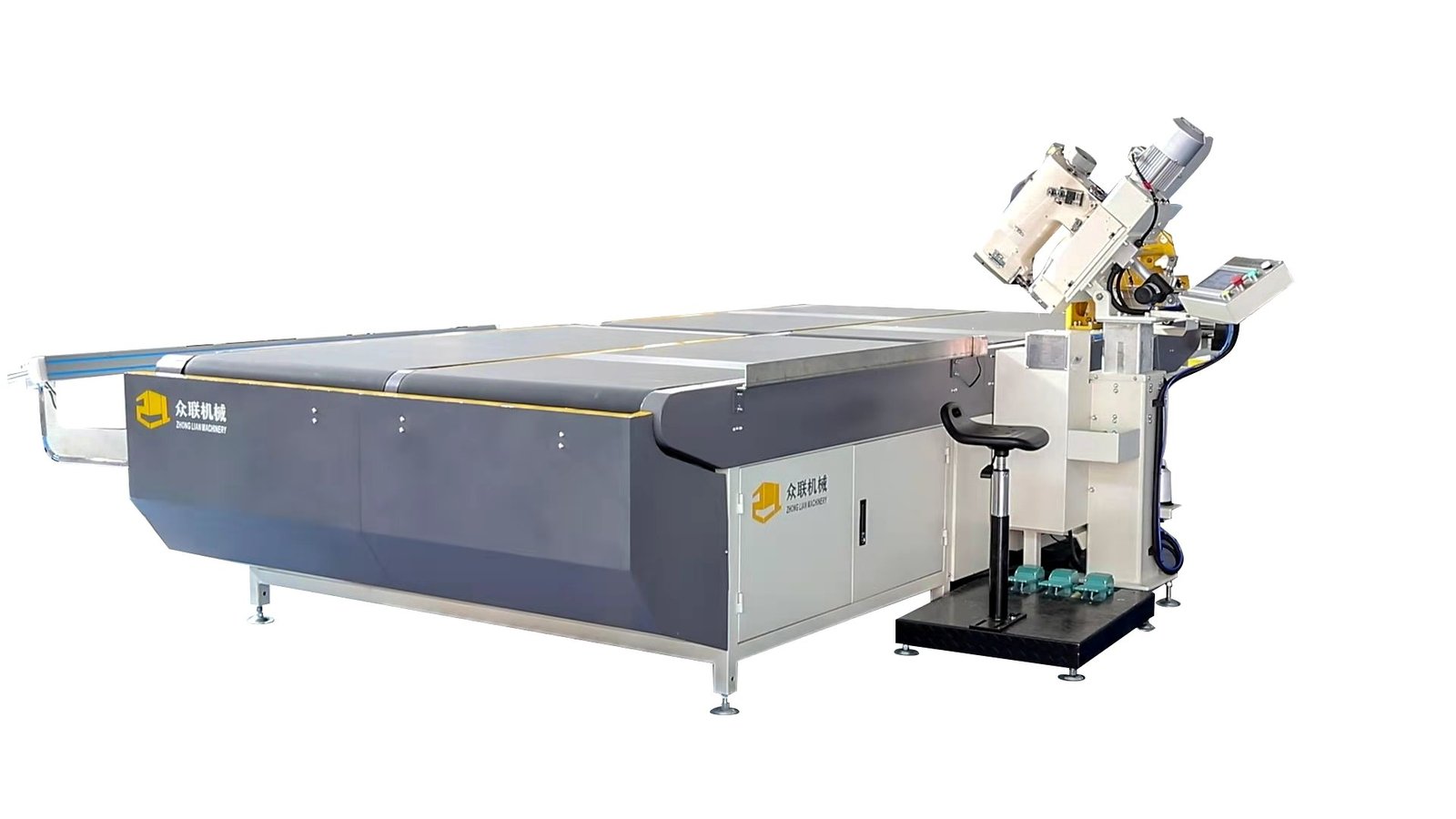
Struggling with slow quilting, design limitations, or high defect rates in mattress production?
The right mattress quilting machine can dramatically boost efficiency, stitching precision, and product appearance—while reducing manual labor and costly rework.
Choosing the best machine isn’t about price—it’s about matching the machine to your product needs, production goals, and space constraints.
What Are the Different Types of Mattress Quilting Machines?
Choosing blindly leads to overbuying or missing key features.
There are three main types: single-needle, multi-needle, and computerized quilting machines—each with specific pros and production roles.
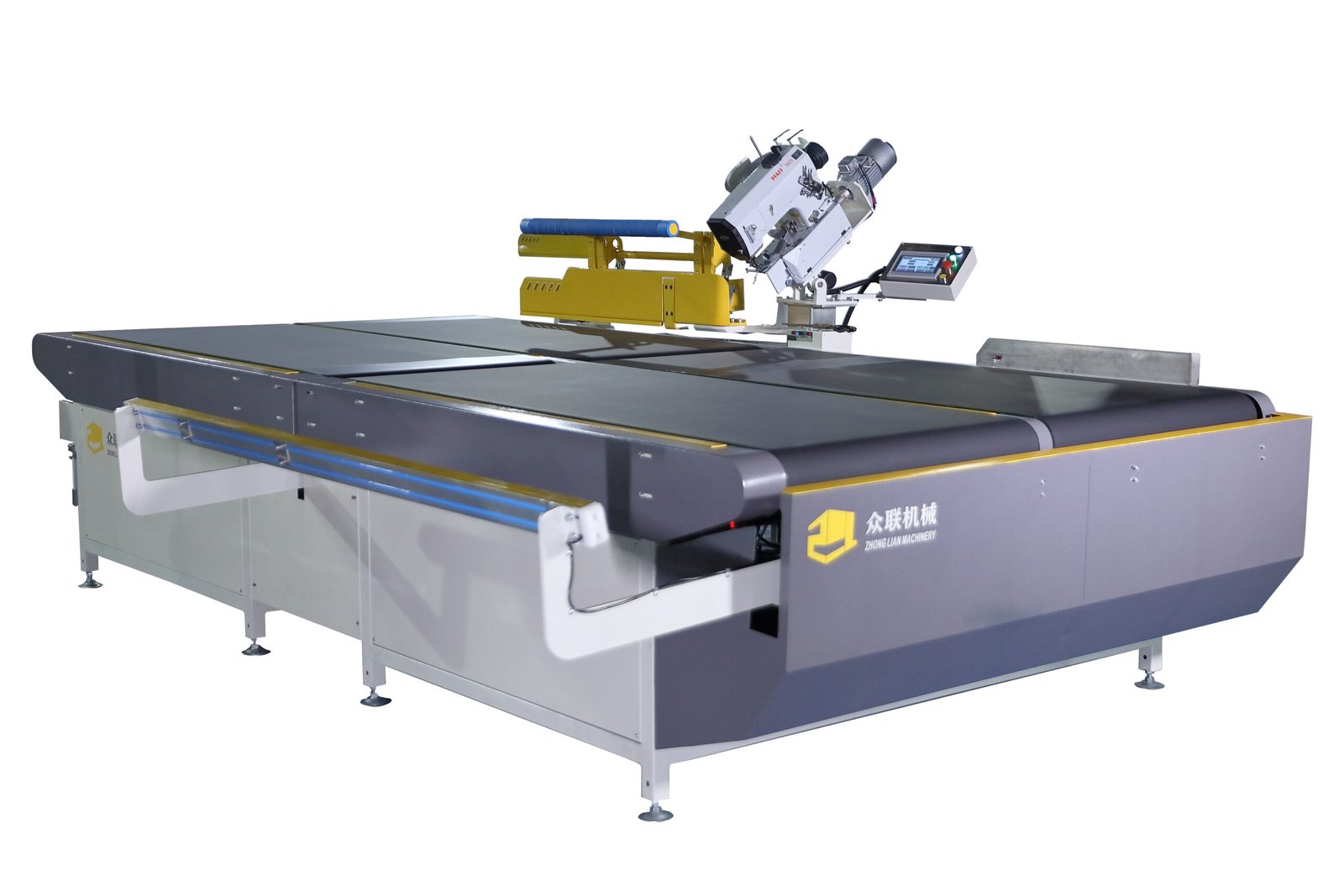
🔹 Single-Needle Quilting Machine
- Good for detailed, decorative stitching
- Flexible patterns
- Lower speed, suitable for custom or low-volume production
🔸 Multi-Needle Quilting Machine
- Best for fast, repetitive stitching
- High efficiency
- Ideal for large factories producing standard mattress models
💻 Computerized Quilting Machine
- CAD pattern input
- Automatic thread control, stitch memory
- High precision + scalability for premium or custom product lines
| Machine Type | Best Use Case | Output Speed | Automation |
|---|---|---|---|
| Single-Needle | Custom designs, flexibility | Low | Manual |
| Multi-Needle | High-speed volume | High | Semi-auto |
| Computerized (CNC) | Consistent precision | Very High | Full |
How Do You Match a Quilting Machine to Your Production Volume?
Guesswork leads to overcapacity or bottlenecks.
If you’re making more than 100 mattresses/day, go multi-needle or computerized. For under 50, single-needle might be more cost-effective.
🧮 Ask Yourself:
- How many panels do we quilt daily?
- How often do we switch patterns?
- Do we plan to scale production in 6–12 months?
Pro Tip: Overbuying slows ROI; underbuying slows production. Match machine speed with your current + near-future output target.
What Features Actually Matter in Daily Production?
Fancy features mean nothing if the machine breaks every week.
Focus on stitch quality, speed, uptime, and ease of operation.
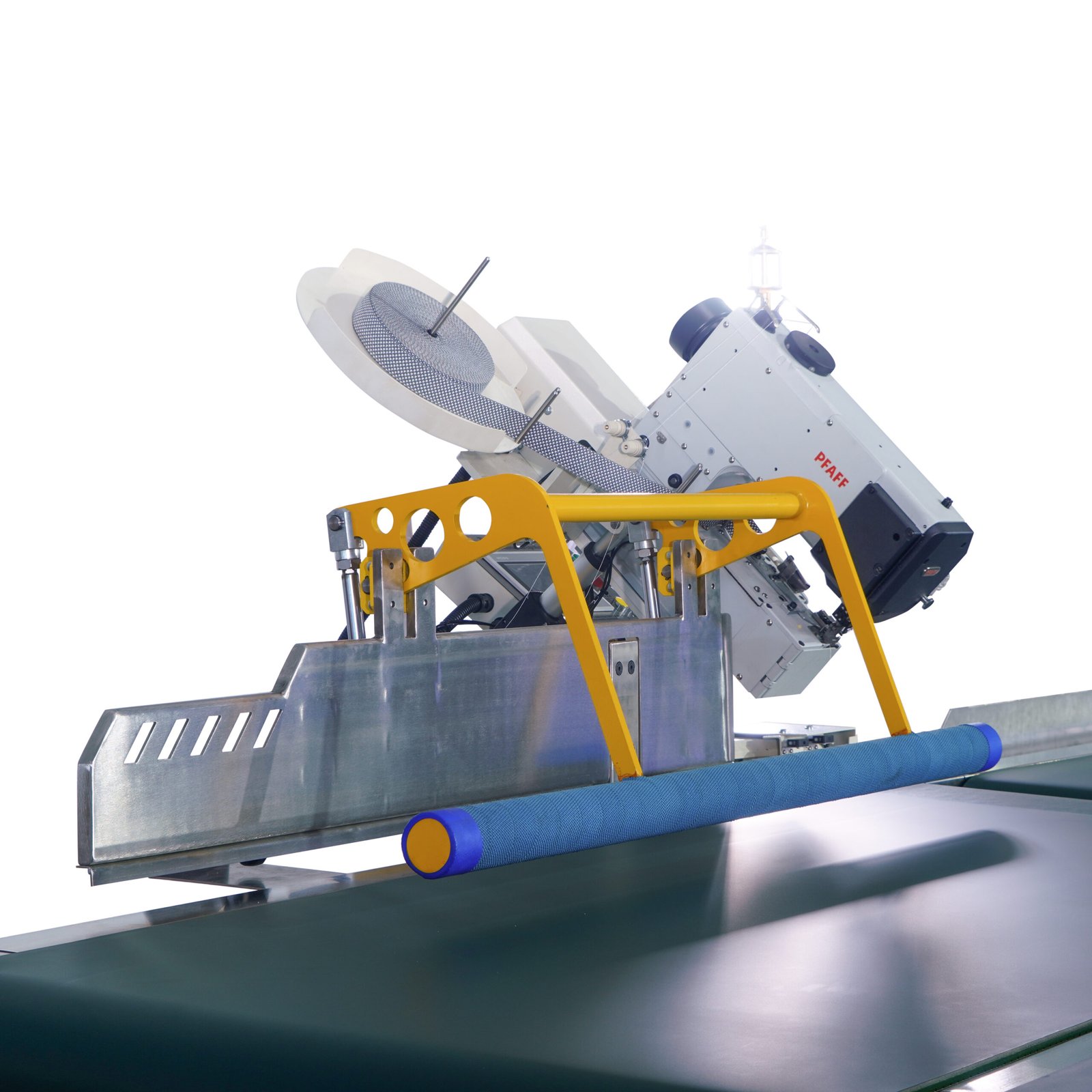
Core Features to Look For:
✅ Stitch Quality
- Uniform, tension-balanced stitches
- Important for both comfort and appearance
⚙️ Speed (SPM)
- Look for 1,000+ stitches/min for industrial use
- Variable-speed control helps fine-tune tricky patterns
🧵 Automatic Features
- Thread cutting
- Needle lift
- Error stop detection
🧽 Maintenance Friendliness
- Oil circulation systems
- Dust-proof design
- Easy access panels
| Feature | Why It Matters |
|---|---|
| Auto Thread Cutter | Speeds up cycle times |
| Stitch Memory | Keeps settings across jobs |
| Motor Cooling System | Extends lifespan in 24/7 operations |
| Digital Tension Control | Prevents thread breaks or puckering |
How Much Space Do These Machines Need?
A big machine in a small room causes chaos.
Measure your available space (including operator walkways), then compare against machine footprint and service access.
| Machine Type | Typical Length | Recommended Floor Area |
|---|---|---|
| Single-Needle | ~2.2m | 3m × 2.5m |
| Multi-Needle | ~3.5m–5m | 5m × 3m |
| CNC Quilting | 4m–7m+ | 6m × 4m+ |
Bonus Tip: Don’t forget ceiling height—some models include stackers or fabric arms that need headroom.
What’s the Cost vs. ROI of a Quilting Machine?
Don’t just look at the price tag.
A $10K single-needle might cost you more over 2 years than a $25K computerized system—because of labor, downtime, and rework.
| Machine Type | Price Range | Expected ROI Period |
|---|---|---|
| Single-Needle | $5,000–10,000 | 18–24 months |
| Multi-Needle | $10,000–20,000 | 12–18 months |
| Computerized (CNC) | $20,000–50,000+ | 8–14 months |
Tip: Ask suppliers for energy usage and service cost estimates.
Is Operator Training Required?
Yes—especially for multi-needle and computerized models.
But with a good UI and basic training, most operators can be up to speed within 2–3 days.
Look for machines with:
- Color touchscreen controls
- Pattern library
- On-screen troubleshooting
Some brands even offer remote training or on-site setup + instruction.
What Should You Ask the Supplier Before Buying?
Avoid buyer’s regret by getting real answers.
Here are the top 5 questions to ask:
- What’s the maximum stitch size and pattern complexity?
- Is technical support available in my region/language?
- How quickly can you ship spare parts?
- What kind of fabric and foam thicknesses can it handle?
- Do you provide sample pattern testing before purchase?
Conclusion
The right mattress quilting machine isn’t the most expensive—it’s the one that fits your product, your people, and your pace. Prioritize stitch quality, speed, and operator ease. Choose smart, and
 English
  Vietnamese
  Spanish
  German
  French (France)
  French (Canada)
  Japanese
  German (Austria)
  Tibetan
  Danish
  Malayalam
  Indonesian
  Frisian
  Greek
Greek  Javanese
  Macedonian
  Galician