
Mattress Tape Edge Machine: A Comprehensive Guide?
Tired of inconsistent edge stitches, rising rework rates, or slow production speed on your mattress line?
A mattress tape edge machine solves these problems by automating edge stitching with precision, speed, and consistency—critical for both quality and durability.
If you’re running a mattress factory like me, this machine isn’t a luxury—it’s a necessity. Let’s explore everything from types, structure, and operation, to how to choose the right one.
What does a mattress tape edge machine do?
Your factory loses time, consistency, and edge strength without proper edge-stitching equipment.
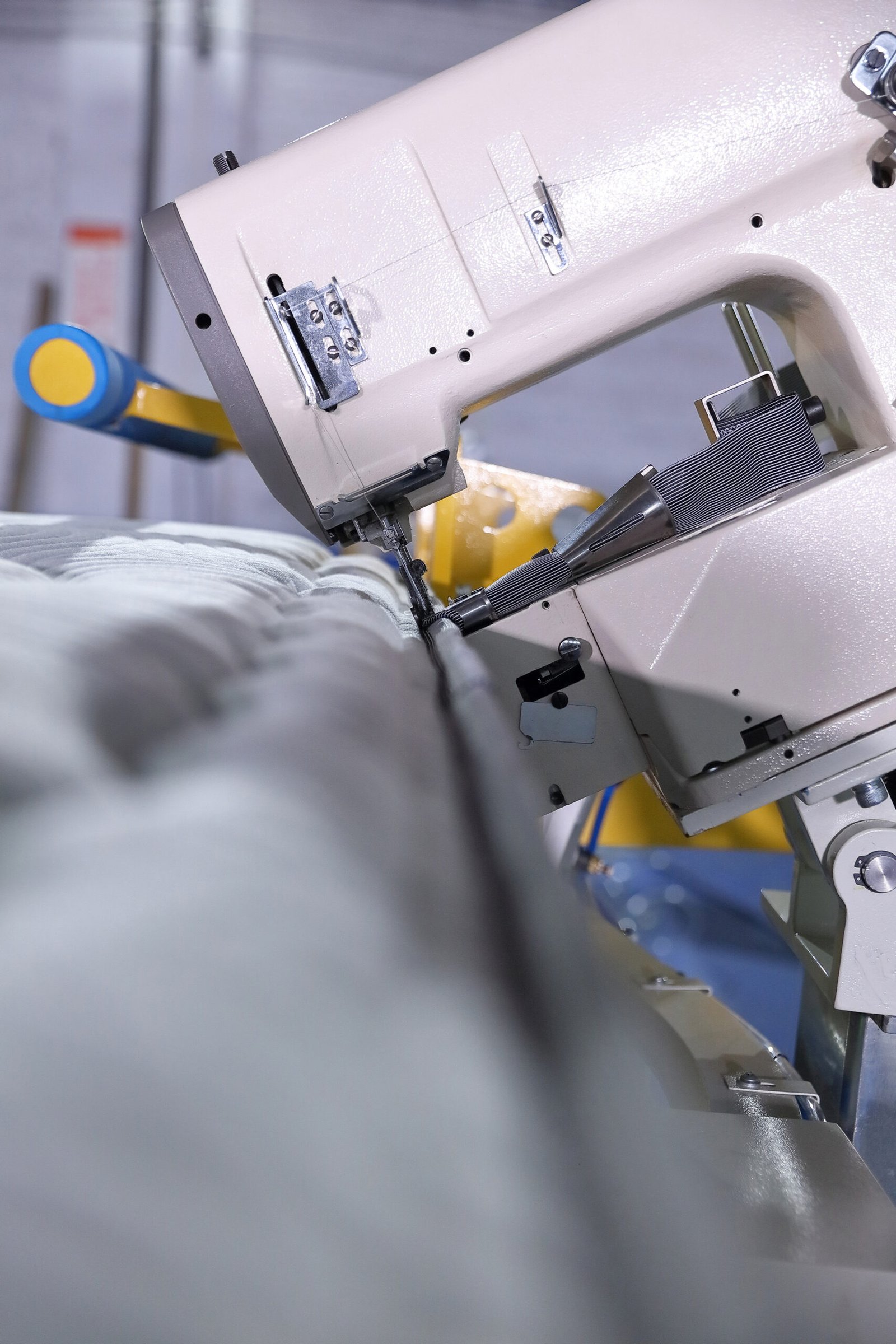
A tape edge machine attaches a binding fabric to the mattress edges to create a sealed, durable, and visually clean finish.
Understanding its core functions
This machine sews a fabric tape—usually 38mm to 50mm wide—around the mattress edge, sealing layers tightly. That tape strengthens the edge and prevents it from collapsing over time.
Key benefits of edge tape sewing:
| Feature | Impact on Product |
|---|---|
| Reinforced edges | Prevents deformation and sagging |
| Visual finish | Clean look, adds value |
| Consistent seam | Improves repeatability |
| Time-saving | Speeds up production |
This step is not only aesthetic but also structural. Especially when we manufacture spring or hybrid mattresses, edge durability directly impacts how long the mattress lasts in a customer’s home.
What types of tape edge machines are available?
Choosing the wrong machine can increase training costs and slow down your line.
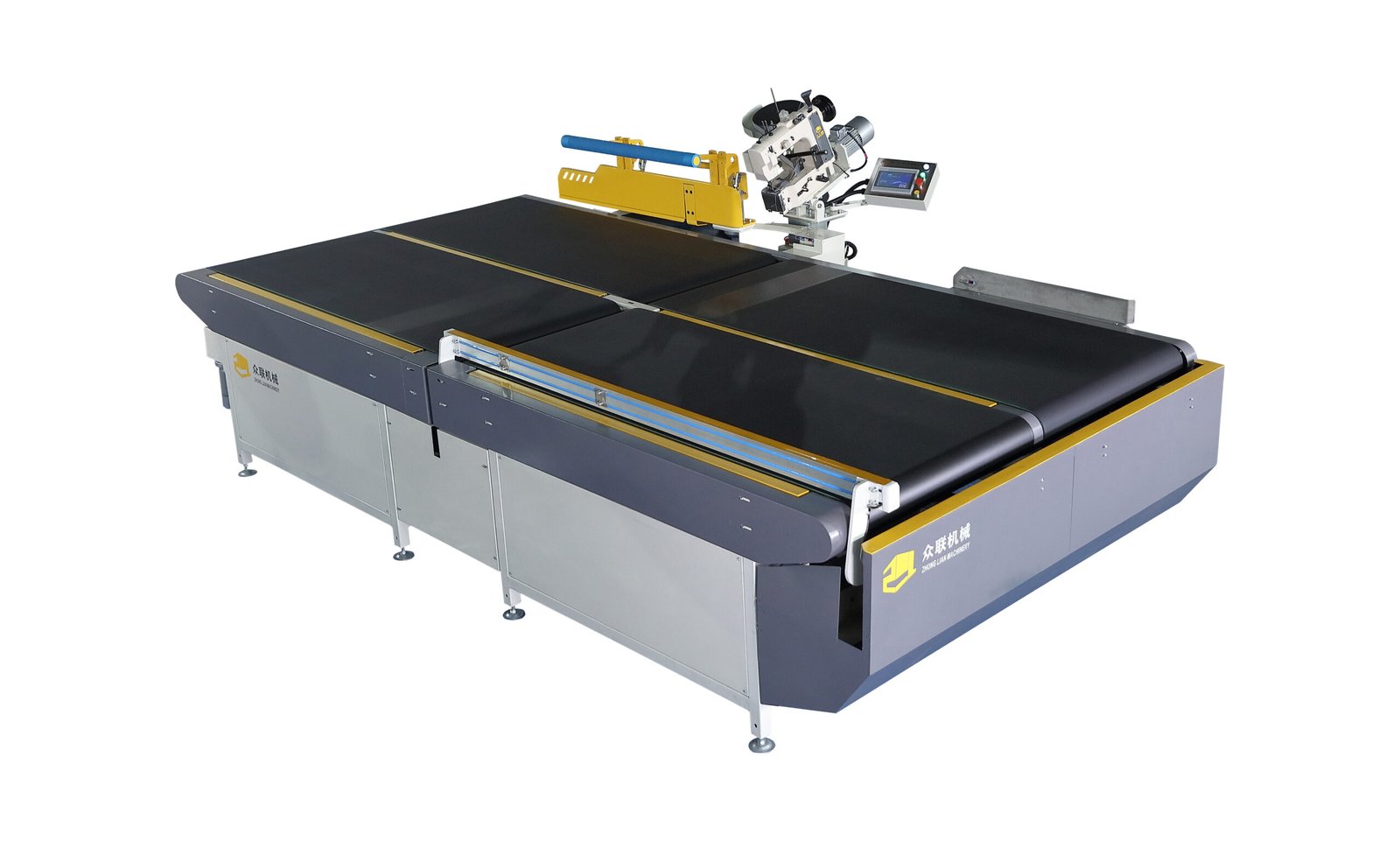
There are manual, semi-automatic, and fully automatic tape edge machines, each suited to different production capacities and workforce sizes.
Compare three categories
Manual Machines
Manual models rely heavily on operator skills. The machine sews, but turning corners and tape feed is done manually.
Semi-Automatic Machines
These machines automate the tape feeding and edge trimming, while the operator rotates the mattress manually. It’s a sweet spot for medium production levels.
Fully Automatic Machines
These use servo-driven conveyor belts or rotating arms to handle mattress movement. No human touch is needed once the mattress is in place.
| Type | Operator Skill Needed | Output Speed | Labor Load |
|---|---|---|---|
| Manual | High | Slow | High |
| Semi-Automatic | Medium | Medium | Medium |
| Fully Automatic | Low | Fast | Low |
We upgraded from semi-auto to full-auto last year. It cut operator training from 2 weeks to 2 days and boosted our daily output by 40%.
How does a tape edge machine work?
Without knowing how it works, it’s hard to train your team or troubleshoot.
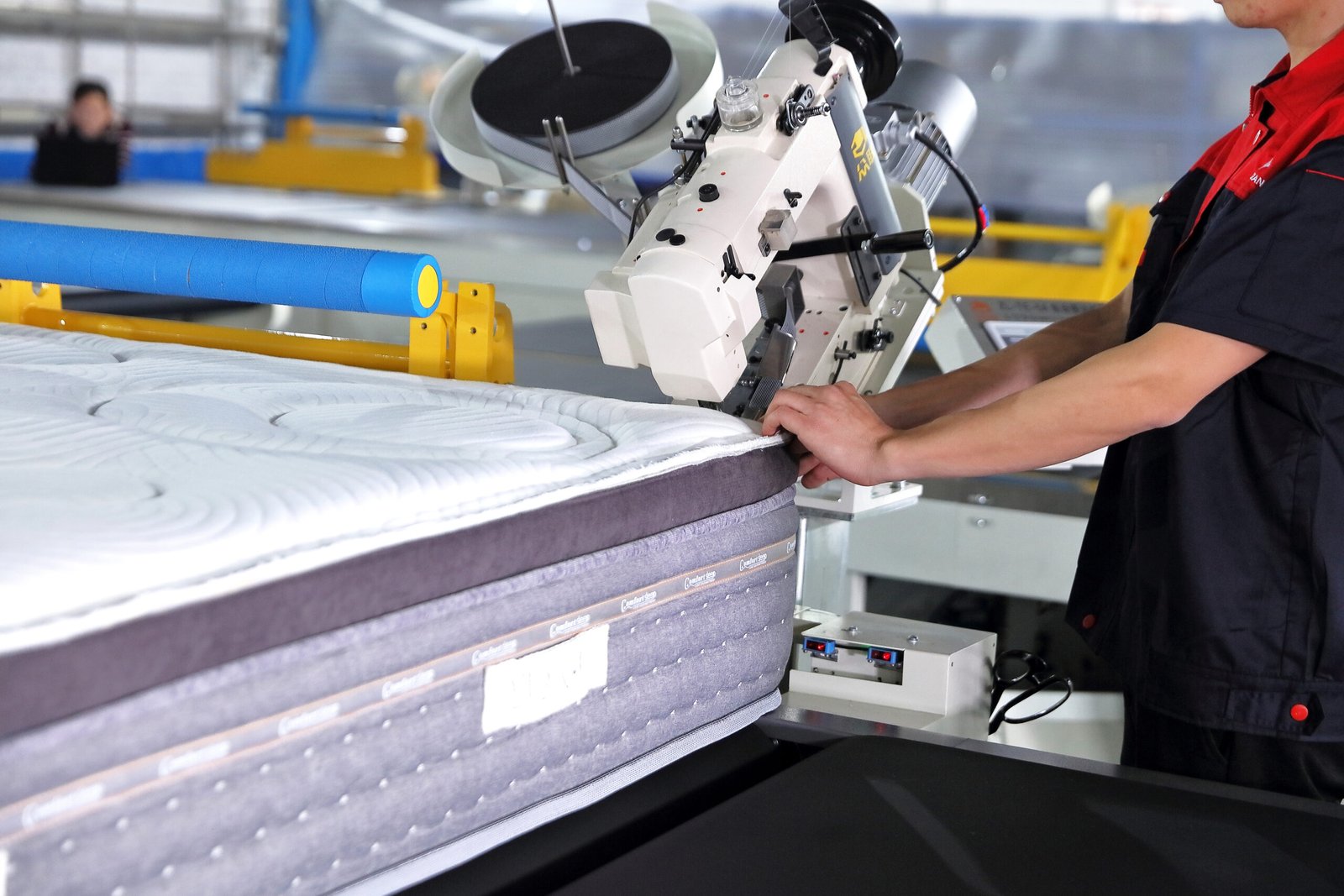
It works by guiding the mattress along a curved path while stitching edge tape using a chainstitch or lockstitch head.
Step-by-step process
1. Setup
Load the mattress onto the worktable or turntable. Thread the machine and load the tape roll.
2. Tape Feeding
The tape passes through tension arms and a guide system toward the needle. On auto machines, the tape is automatically aligned.
3. Stitching
As the mattress rotates, the needle head sews the tape along the edge. You control speed, needle type, and stitch width via a control panel.
4. Corner Handling
Auto models slow down automatically at corners. Manual ones need the operator to pause and realign.
5. Finish
Once all four sides are done, the thread is cut, and the mattress is ready for the next station.
| Step | Action Involved | Controlled By |
|---|---|---|
| Tape Feeding | Unroll, tension, align | Machine |
| Stitching | Needle forms chain stitch | Sewing motor |
| Turning | Rotate bed or table | Manual/servo motor |
| Trimming | Cut tape at end | Automatic cutter |
Knowing each step helped us reduce training time and also detect issues faster.
What features should I look for?
Not every model suits every line. Buy based on what matters most to your workflow.
Key features to evaluate include motor power, stitch type, speed, tape guide adjustability, and ease of maintenance.
Core machine specs checklist
🧵 Stitch Type
Most tape edge machines use chainstitch for strength and elasticity. Lockstitch is less common but offers tighter seams.
⚙️ Motor Power
Higher torque motors handle thick materials better. Check for ≥550W for medium foam mattresses; ≥750W for hybrid/spring.
⏩ Speed Control
Machines should run from 2m–6m/min. Speed adjustability helps handle different mattress types.
🎛️ Tape Guide
Look for adjustable tape width guides. This helps when switching between products quickly.
🧽 Maintenance Access
Choose models with tool-free access to the looper and needle plate. It saves time on maintenance.
| Feature | Minimum Standard | Best-in-Class |
|---|---|---|
| Stitch Type | Chainstitch | Chainstitch + auto tension |
| Speed Range | 2–5 m/min | 2–6 m/min with servo |
| Tape Width Support | 38–50 mm | 35–60 mm adjustable |
| Corner Handling | Manual slow-down | Auto corner deceleration |
| Motor Power | 550W | 750W+ brushless |
I’ve personally tested 4 different brands. Machines with better tape guides made fewer alignment errors—and required less operator skill.
Conclusion
Choosing the right tape edge machine helps improve mattress quality, reduce operator stress, and boost production speed—all essential for scaling a mattress factory.
Get in touch with us for tailored solutions! We look forward to collaborating with you and shaping a brighter future together!
📞 | WhatsApp:+86 15220512074
📧E-mail:zhongliantec@gmail.com
Web | Link:mattressmachineryzl.com
 English
  Vietnamese
  Spanish
  German
  French (France)
  French (Canada)
  Japanese
  German (Austria)
  Tibetan
  Danish
  Malayalam
  Indonesian
  Frisian
  Greek
Greek  Javanese
  Macedonian
  Galician