
Noise Reduction in Mattress Machinery: How Can We Build a Quieter Workshop?
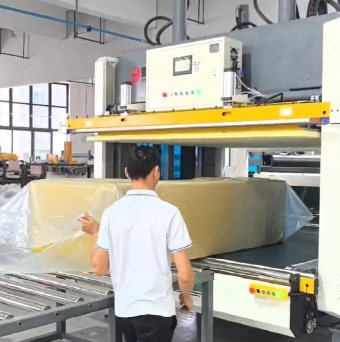
Too much noise in a workshop can kill focus, increase worker complaints, and even lower production efficiency. It’s time to fix that.
The key to a quieter mattress workshop lies in reducing machine vibration, optimizing layouts, isolating loud zones, and upgrading to lower-noise components.
If your workshop sounds more like a factory from the ’80s, this article will walk you through 10 real solutions to make it quieter — without slowing down production.
What Are the Sources of Noise in Mattress Machinery?
Too many factory owners ignore machine noise until workers complain or production errors rise. That’s too late.
Noise usually comes from motors, gears, vibration points, and airflow — understanding these helps us reduce it faster.
Let’s look deeper.
Types of noise we deal with:
| Source | Type of Noise | Common in… |
|---|---|---|
| Motors | Mechanical, Electrical | Spring pocketing machines |
| Gear mechanisms | Impact & Friction | Compression or bagging equipment |
| Fans & compressors | Airflow (aerodynamic) | Heat sealing and film wrapping zones |
| Bearings & rollers | High-frequency buzz | Conveyor lines and spindles |
To fix the noise, I first ran a noise audit using a handheld decibel meter, checking different zones of our factory throughout the day. We mapped out hotspots above 85 dB — that’s the danger line for hearing damage.
From there, we targeted interventions machine by machine. The data doesn’t lie — some of our old spring coilers were up to 92 dB at close range.
Can Soundproofing Materials Help?
Soundproof foam isn’t just for music studios — in fact, our ceiling panels reduced echo instantly.
Installing acoustic foam, barriers, and vibration-absorbing pads can cut noise up to 30% without touching the machines themselves.
Here’s what worked in our case:
Material Comparison Table
| Material Type | Where We Used It | Benefit |
|---|---|---|
| Acoustic Panels | Workshop walls and ceilings | Reduced echo, clearer air |
| Foam Liners | Machine covers | Less motor buzz |
| Heavy Curtains | Between noisy & quiet zones | Isolation barrier |
| Rubber Mats | Under machines | Vibration absorption |
One tip: don’t go cheap on foam — we tried generic ones at first, but they crumbled in 3 months. Now we use melamine-based panels with fire-retardant coating.
Should We Upgrade to Quieter Machinery?
We used to think all machines had to be noisy. Turns out, new ones don’t have to be.
Modern spring bagging machines use servo motors and enclosed drives that cut noise by 40% over old gear-driven models.
For example, upgrading to our DF-X03 automatic compression rolling machine brought three major benefits:
- Lower vibration from servo-controlled rollers
- Smart pressure adjustment, reducing sealing noise
- Integrated folding, fewer machines needed = less total noise
Yes, the price is higher, but my cost dropped over 12 months through less maintenance and happier operators.
If you’re thinking about it, try comparing:
| Machine Model | Avg. Noise (dB) | Power Use (kW) | Efficiency (pcs/min) |
|---|---|---|---|
| Old Gear Model | 88 dB | 33 kW | 1.6 pcs/min |
| DF-X03 Servo Model | 74 dB | 22 kW | 2 pcs/min |
What Role Does Regular Maintenance Play?
A dry bearing is louder than a hammer. I learned this the hard way.
Regular maintenance, especially lubrication and alignment, helps avoid excess noise from worn-out parts.
Our new maintenance checklist includes:
- Check belt tension weekly
- Apply silicone-based grease to gear tracks
- Replace worn rollers every 6 months
- Clean dust from fan vents monthly
If you’re using older machines, a simple switch to better lubricants can reduce noise by 20% instantly.
We use high-temperature lithium grease for rollers and low-viscosity oil for chain drives.
Can Isolation Pads Reduce Vibration?
Many machines don’t need to be replaced — just better grounded.
Rubber isolation pads and spring mounts stop vibration from echoing through your floor and walls.
Here’s how we improved:
- Added EPDM vibration pads under spring machines
- Installed rubber feet under our conveyor line supports
- Used spring-damper mounts for our main press machine
After installation, we saw a 6 dB drop in adjacent workstation noise.
The cost? Less than $100 per machine. That’s a solid return.
Does Workshop Layout Matter?
Before, we had noisy and quiet machines all mixed up — like putting a drum kit in a library.
Separating loud machines and creating noise zones reduces average worker exposure.
Here’s what we changed:
New Layout Zones
| Zone | Purpose | Machines Assigned |
|---|---|---|
| Zone A: Loud | Bagging + pressing | DF-X02, DF-Y06, DF-F05 |
| Zone B: Medium | Conveyor + sealing | DF-J03, DF-F07 |
| Zone C: Quiet | Labeling, QC, packing | Manual tables, final QC areas |
Bonus: this also improved workflow. Loud areas are now closer to the loading dock. Less back-and-forth = more productivity.
Should Workers Use PPE or Noise-Canceling Gear?
Some noise is unavoidable — but exposure time can be controlled.
Equipping workers with earplugs or earmuffs protects hearing and meets safety rules.
We tested:
- Foam earplugs (NRR 29): Cheap, disposable, good for short shifts
- Over-ear muffs (NRR 34): Comfortable, reusable, best for loud zones
- Active noise-canceling earmuffs: Pricey, but great for supervisors moving around
Most of our team prefers earmuffs. We keep extras near each workstation.
Do Operation Protocols Make a Difference?
Noise control isn’t just hardware — it’s also how we use it.
Training workers to handle materials gently and avoid “impact noise” helps lower daily noise levels.
We now follow these:
- No dropping mattress springs onto conveyors
- Slower feed-in speeds for thicker units
- Weekly “quiet operation” reminder briefings
We also updated SOPs to include “minimum noise operation” steps — workers actually appreciate the calmer work environment.
Should Employees Be Trained in Noise Awareness?
Even the best machines make noise — it’s up to people to manage the rest.
When workers understand how noise works, they’re more likely to follow noise-reduction best practices.
Here’s how we train:
- Monthly toolbox talks on noise
- Posters showing “safe noise levels”
- Bonus rewards for proactive maintenance checks
One small change: we added a “noise log” sheet to each workstation. It includes daily decibel readings — and it became a point of pride to stay under 80 dB.
Should We Monitor Noise Continuously?
You can’t improve what you don’t measure.
Installing low-cost noise meters across the workshop helps track progress and catch problems early.
We use wall-mounted dB monitors with color alerts:
- Green: Safe
- Yellow: Moderate
- Red: Too loud — investigate
Now we get automatic alerts if one zone crosses 85 dB — which helps us fix issues fast.
Conclusion
Noise control isn’t just about comfort — it’s about keeping your team safe, efficient, and happy every day.
 English
  Vietnamese
  Spanish
  German
  French (France)
  French (Canada)
  Japanese
  German (Austria)
  Tibetan
  Danish
  Malayalam
  Indonesian
  Frisian
  Greek
Greek  Javanese
  Macedonian
  Galician