
The Future of Mattress Machinery: Trends and Predictions?
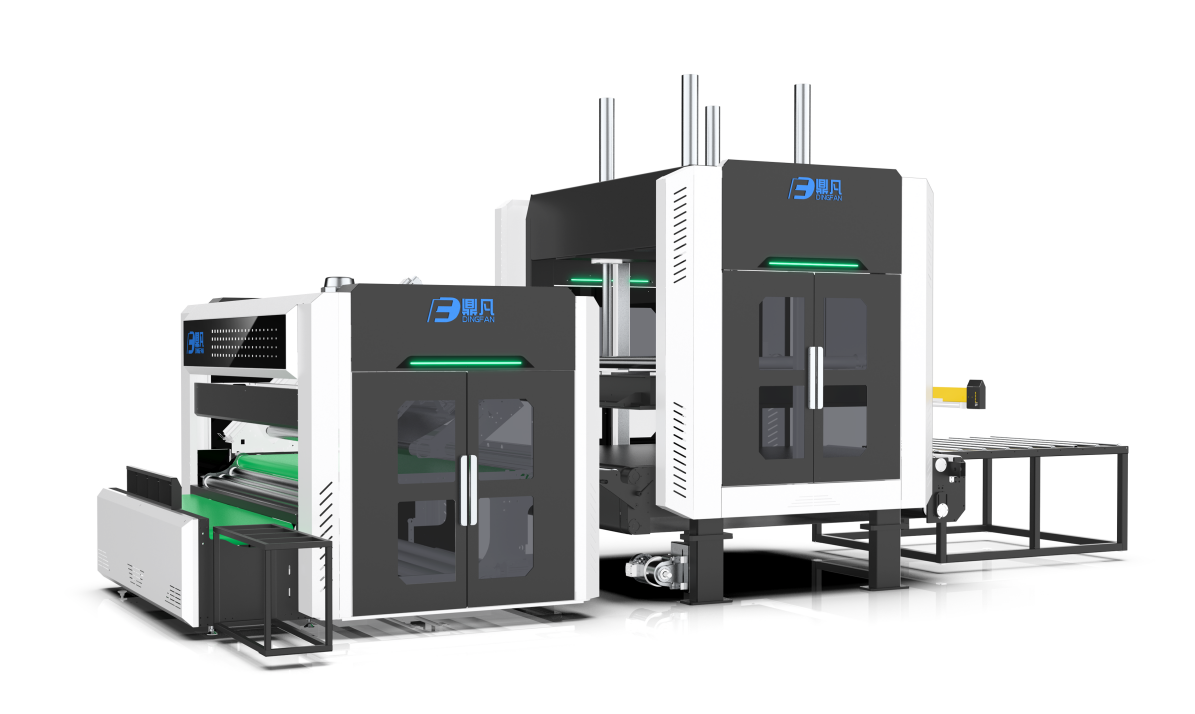
In today’s manufacturing climate, mattress factories must adapt or risk being left behind. Traditional workflows are giving way to faster, smarter, and greener production demands.
The future of mattress machinery lies in automation, smart tech, and sustainable systems—streamlining production, cutting costs, and customizing to meet individual needs efficiently.
If you want to understand what’s next for the mattress machinery industry, from AI-driven systems to eco-conscious production lines, read on.
How is automation shaping the mattress machinery industry?

Factories are under pressure to cut labor costs, improve efficiency, and ensure consistency—manual systems just don’t cut it anymore.
Automation allows mattress manufacturers to complete cutting, bagging, gluing, compressing, and rolling at high speeds with minimal human interference.
Dive deeper into the shift:
Types of automation now widely used:
| Task | Automated Solution | Example in Our Factory |
|---|---|---|
| Spring production | High-speed pocket spring machine | Up to 13,200 springs per hour, auto defect detection |
| Glue application | Auto glue machines | No manual spraying, precise and clean results |
| Mattress compression | Full auto rolling & folding line | DF-X16, packs 100 units/hour with consistent quality |
Why it matters:
- Reduces errors and rework.
- Improves production capacity.
- Shortens delivery times.
- Reduces dependency on skilled labor.
Our clients in Southeast Asia often tell me that after replacing manual operations with our auto-packaging machines, they scaled up without adding workers.
What role does smart technology play in these advancements?
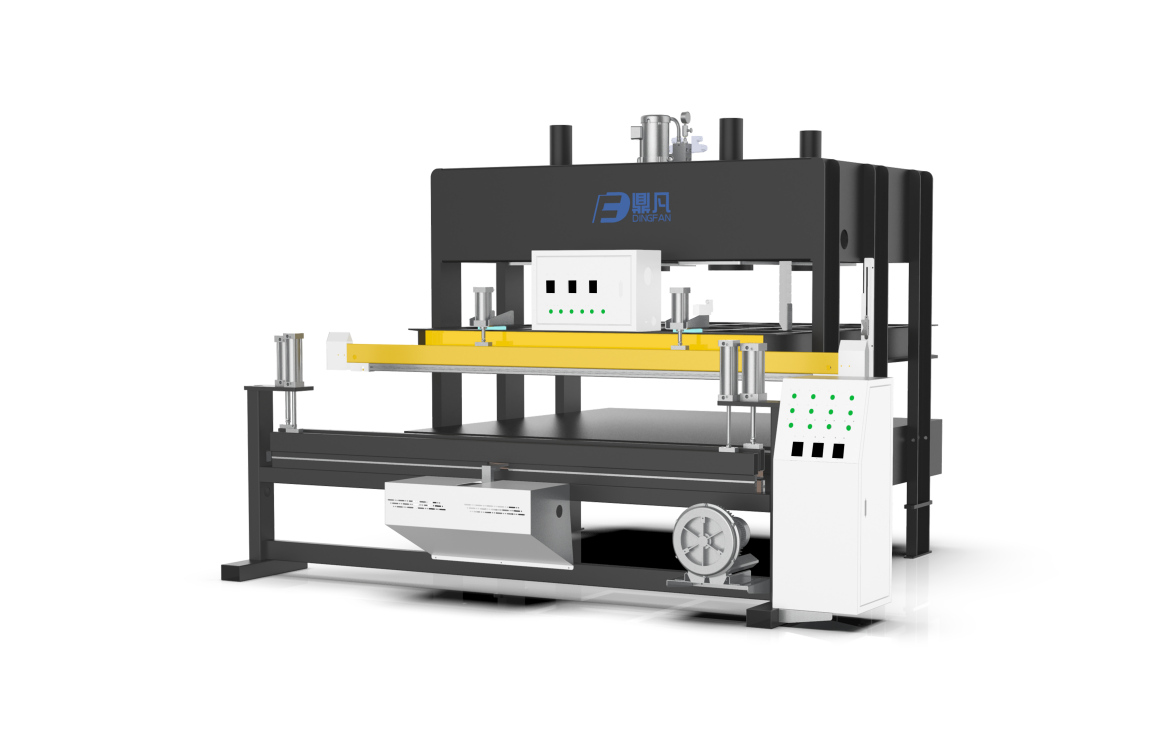
Production managers can’t afford unplanned downtime or inconsistent output. Real-time data is now a must, not a luxury.
Smart features like PLC controls, touchscreens, and IoT sensors make machines more intuitive and allow remote monitoring, error alerts, and easy adjustments.
Here’s how we integrate smart control:
Features standard in our latest models:
- Real-time data logging
- Preset switching for multiple product specs
- Remote support and diagnostics
- Automatic material detection and adjustment
With models like our DF-X03 and DF-X17, a technician can switch between sofa and mattress packaging just by selecting a preset on the screen—no manual recalibration.
This isn’t just a convenience—it saves up to 30 minutes per changeover.
Are mattress factories adopting sustainable practices?
Environmental concerns are rising, and mattress factories are under scrutiny for their energy use and material waste.
Today’s top machinery models prioritize energy efficiency, recyclable packaging, and waste-reducing processes.
Common green practices:
- Servo motors that reduce power usage.
- Kraft paper packaging modules as alternatives to plastic film.
- Efficient sealing units with minimal material loss.
- Compress-before-roll systems that minimize transport volume.
For example, our kraft paper packaging line (DF-F09) not only supports eco-friendly branding, but also cuts plastic use by up to 70%.
In Europe and Southeast Asia, I’m seeing growing interest from buyers asking for machines that support FSC-certified or recyclable materials.
How is customization affecting mattress machinery design?
Consumer demand is shifting toward personalized sleep solutions. Factories need flexibility.
Modern machinery supports rapid switching between different spring sizes, bag dimensions, and even glue patterns—all without manual rebuilds.
What’s possible now:
| Feature | What It Allows |
|---|---|
| Servo-controlled switches | Diameter and height adjustment |
| Multi-mode operation | Auto/manual/hybrid toggling |
| Memory presets | Save up to 20 mattress spec settings |
Clients producing both hotel-grade hard mattresses and soft latex hybrids love our DF-J03. It doesn’t care what material it rolls—latex, spring, or foam—it just works.
What are the emerging trends in material handling?
Moving mattresses manually is time-consuming and unsafe.
Automated conveyors, robotic arms, and built-in stackers are becoming standard in large-scale facilities.
In our DF-X16 full-line system, the mattress moves through compression, sealing, folding, and rolling without needing a single human lift. Result?
- Fewer injuries
- Smoother flow
- Lower handling costs
We’ve also added intelligent arm adjustments for mattresses of different sizes—machines automatically reposition depending on detected dimensions.
How is predictive maintenance powered by AI changing factory operations?
Unexpected breakdowns can halt production for hours—or days.
By using AI to monitor component wear and system pressure, manufacturers can perform maintenance before issues arise.
Key advantages:
- Maximize uptime
- Prevent costly breakdowns
- Plan repairs during downtime
Our latest systems include warning logs and alert systems that notify users if the cutter torque rises too high or bag tension drops below the threshold.
Factories tell us this feature alone saved them thousands in emergency service calls.
What improvements are being made in cutting and sewing?
Precision matters. Poor cuts or seams cause defects, returns, and bad reviews.
Laser cutters, servo-guided rotary blades, and programmable stitching are replacing old manual methods.
In our machines:
- Cutting precision is ±1mm
- Stitching is adjustable via touchscreen
- Dual-station models handle both edge tape and centerline stitching
When integrated with AI detection, like on our high-end pocket spring machines, sewing heads auto-stop if they detect a bag misalignment—before it causes a jam.
Conclusion
The future of mattress machinery is smarter, faster, greener—and it’s already here.
 English
  Vietnamese
  Spanish
  German
  French (France)
  French (Canada)
  Japanese
  German (Austria)
  Tibetan
  Danish
  Malayalam
  Indonesian
  Frisian
  Greek
Greek  Javanese
  Macedonian
  Galician