
Compression Machine Safety Key Points and Maintenance Guide
In the mattress, bedding, and upholstered furniture manufacturing industries, compression machines play a vital role in modern packaging processes. These machines are designed to compress products such as mattresses, foam cushions, pillows, and sofa components so they can be packaged into compact forms for transportation and storage. By reducing product volume, compression machines help manufacturers lower logistics costs, improve warehouse efficiency, and streamline product distribution.
However, compression machines are powerful industrial equipment that operate using hydraulic systems, heavy mechanical structures, and automated control systems. Without proper operation and maintenance, these machines may pose safety risks and experience reduced operational efficiency.
For this reason, understanding compression machine safety requirements and maintenance practices is essential for factory operators and maintenance technicians. Proper training, routine inspection, and preventive maintenance can ensure stable machine operation while protecting workers and production equipment.
Manufacturers seeking reliable compression equipment and packaging systems can explore advanced machinery solutions available at https://mattressmachineryzl.com/, where modern compression and packaging technologies are designed for mattress and furniture production environments.
This article provides a comprehensive guide to the safety precautions and maintenance practices necessary for operating compression machines in industrial production settings.
The Importance of Safety in Compression Machine Operation
Compression machines are designed to apply significant mechanical force to reduce the thickness of soft products such as mattresses and foam cushions. The hydraulic pressure generated during compression can reach several tens of tons.
While this force is necessary for packaging efficiency, it also means that improper operation can lead to serious safety hazards.
Common safety risks associated with compression machines include:
- accidental contact with moving compression plates
- hydraulic system malfunctions
- improper loading of products
- electrical system failures
- mechanical component wear
To minimize these risks, factories must establish strict safety protocols and ensure that all machine operators receive proper training before using compression equipment.
A well-managed safety system not only protects workers but also improves production reliability and equipment lifespan.
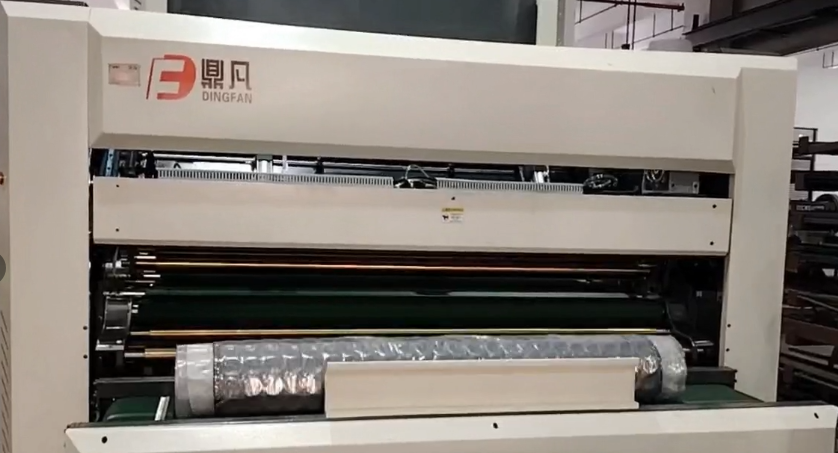
Basic Safety Requirements for Compression Machine Operators
Before operating a compression machine, workers should be trained in proper machine operation procedures and safety protocols.
Operators must understand the structure and function of the machine, including the compression system, hydraulic components, and control panel.
Several basic safety requirements should always be followed:
(1) Operators should wear appropriate protective equipment such as gloves and safety shoes.
(2) Only trained personnel should operate compression machines.
(3) The machine should be inspected before starting each shift.
(4) Operators must never place their hands inside the compression chamber during operation.
(5) Emergency stop buttons should be clearly visible and accessible.
Following these basic guidelines can significantly reduce the risk of workplace accidents.
Pre-Operation Safety Inspection
Before starting the compression machine, operators should perform a routine safety inspection.
This inspection helps identify potential problems before the machine begins operation.
Important inspection steps include:
- checking the hydraulic system for oil leaks
- verifying that safety guards are properly installed
- confirming that emergency stop buttons function correctly
- ensuring that electrical cables are intact
- inspecting compression plates for damage or misalignment
If any abnormalities are detected during inspection, the machine should not be operated until the issue has been resolved.
Regular pre-operation checks help maintain safe and stable machine performance.
Safe Operating Procedures
Once the machine passes safety inspection, operators must follow proper operating procedures during production.
Products should be placed carefully inside the compression chamber. Operators should ensure that the product is positioned correctly before activating the compression cycle.
During operation, workers should maintain a safe distance from the compression plates and other moving parts.
The machine control panel should be used to initiate compression cycles and adjust parameters such as compression pressure and cycle time.
Operators must avoid manually interfering with machine operations while the compression process is active.
If abnormal noises, vibrations, or hydraulic pressure fluctuations occur, the machine should be stopped immediately for inspection.
Emergency Safety Measures
Despite careful operation, unexpected situations may occasionally occur during machine operation.
Compression machines are typically equipped with emergency safety features designed to stop machine movement instantly.
Common safety features include:
- emergency stop buttons
- safety interlock systems
- overload protection systems
- hydraulic pressure relief valves
Operators should be familiar with the location and function of these safety features.
In case of emergency, pressing the emergency stop button will immediately halt machine operation and prevent further mechanical movement.
Regular testing of emergency safety systems is essential to ensure they function correctly.
Routine Maintenance of Compression Machines
Routine maintenance is essential for ensuring the long-term reliability and safety of compression machines.
Maintenance procedures should be performed regularly according to the manufacturer’s recommendations.
Proper maintenance reduces the risk of unexpected equipment failure and improves machine performance.
Routine maintenance tasks typically include:
- lubrication of mechanical components
- inspection of hydraulic systems
- cleaning of machine surfaces
- tightening of bolts and structural components
- testing of electrical systems
Hydraulic System Maintenance
The hydraulic system is one of the most important components of a compression machine.
It provides the force required to compress mattresses and other soft products.
Proper hydraulic system maintenance includes:
- checking hydraulic oil levels regularly
- replacing hydraulic oil according to maintenance schedules
- inspecting hydraulic hoses for leaks or wear
- cleaning hydraulic filters
Contaminated hydraulic oil can reduce system efficiency and cause damage to hydraulic pumps and valves.
Regular maintenance ensures smooth hydraulic operation and consistent compression performance.
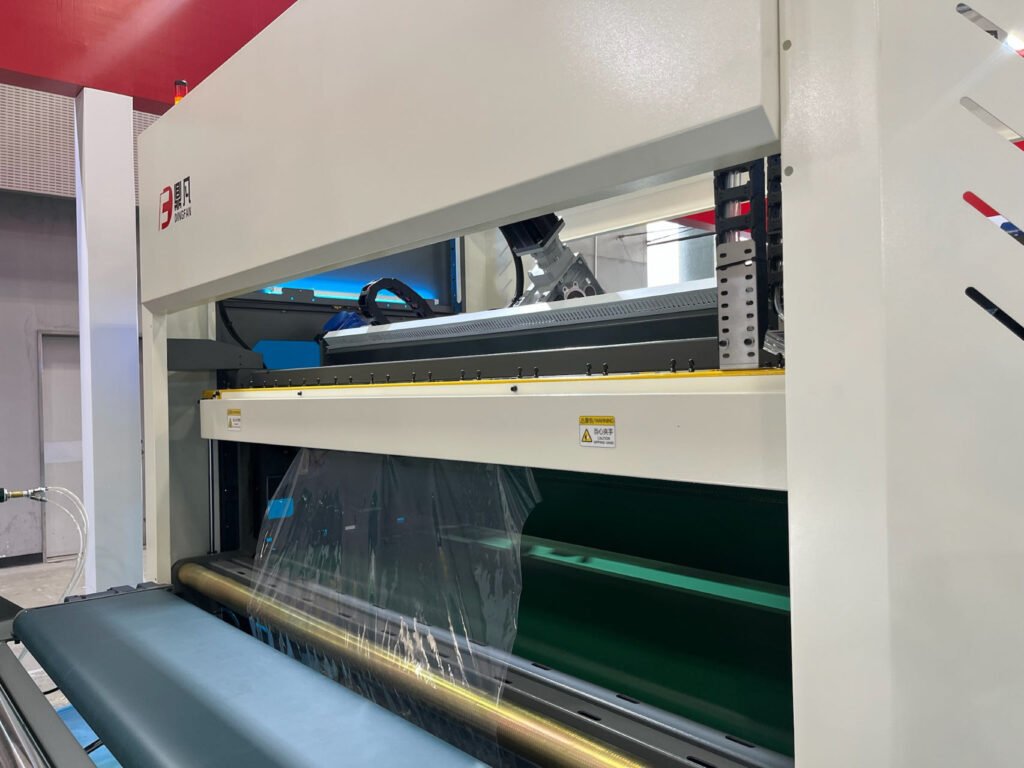
Mechanical Component Inspection
Compression machines contain several mechanical components that must be inspected periodically.
Important mechanical components include:
- compression plates
- guide rails
- conveyor mechanisms
- structural frames
Operators and maintenance technicians should check these components for signs of wear, deformation, or misalignment.
If worn components are detected, they should be replaced promptly to avoid further damage to the machine.
Electrical System Maintenance
Modern compression machines use electrical control systems to regulate machine operation.
These systems include control panels, sensors, motors, and PLC controllers.
Electrical maintenance tasks include:
- inspecting wiring connections
- checking sensor functionality
- testing control panel operations
- ensuring proper grounding of electrical systems
Maintaining the electrical system helps ensure reliable machine operation and reduces the risk of unexpected shutdowns.
Recommended Maintenance Schedule
A structured maintenance schedule helps factories keep compression machines in optimal condition.
The following table provides a typical maintenance schedule for industrial compression machines.
| Maintenance Task | Frequency | Purpose |
|---|---|---|
| Visual machine inspection | Daily | Identify visible damage or abnormal conditions |
| Hydraulic oil level check | Weekly | Maintain stable hydraulic pressure |
| Lubrication of moving parts | Monthly | Reduce mechanical wear |
| Hydraulic filter cleaning | Every 3 months | Prevent contamination in hydraulic system |
| Comprehensive machine inspection | Annually | Ensure long-term equipment reliability |
Following a structured maintenance schedule helps prevent machine failures and improves equipment lifespan.
Training and Safety Awareness
In addition to technical maintenance, training programs are essential for maintaining safe machine operation.
Factories should provide regular training sessions for machine operators and maintenance personnel.
Training programs should include:
- machine operation procedures
- emergency response protocols
- equipment inspection techniques
- maintenance practices
Well-trained employees are more likely to operate machines safely and detect potential issues early.
Integration with Modern Packaging Systems
Compression machines are often integrated into larger packaging systems used in mattress and furniture manufacturing.
These systems may include:
- automatic feeding conveyors
- compression machines
- roll packing machines
- vacuum sealing equipment
- palletizing systems
When integrated into automated packaging lines, compression machines can operate continuously with minimal manual intervention.
Manufacturers interested in advanced compression and packaging equipment can explore industrial solutions available at https://mattressmachineryzl.com/.
Future Trends in Compression Machine Safety and Maintenance
As industrial automation continues to evolve, compression machine safety and maintenance systems are also improving.
Future compression machines may include intelligent monitoring systems that track machine performance in real time.
Sensors can detect hydraulic pressure changes, mechanical wear, and electrical faults before they become serious problems.
These predictive maintenance systems will help factories reduce downtime and improve production efficiency.
Advanced safety systems may also include automatic shutdown mechanisms that activate when abnormal conditions are detected.
Conclusion
Compression machines are essential equipment in modern mattress and furniture manufacturing. They allow manufacturers to reduce product volume, improve logistics efficiency, and optimize packaging processes.
However, because these machines operate with powerful hydraulic systems and heavy mechanical components, proper safety procedures and maintenance practices are critical.
By following strict safety guidelines, conducting routine inspections, and implementing structured maintenance programs, factories can ensure that compression machines operate safely and efficiently.
Well-maintained machines not only improve production reliability but also extend equipment lifespan and reduce operational costs.
Manufacturers seeking reliable compression and packaging equipment can explore advanced machinery solutions available at https://mattressmachineryzl.com/, where modern packaging technology supports efficient mattress and furniture manufacturing operations.
Investing in proper safety management and maintenance practices is essential for maximizing the performance and reliability of compression machines in industrial production environments.
 English
  Vietnamese
  Spanish
  German
  French (France)
  French (Canada)
  Japanese
  German (Austria)
  Tibetan
  Danish
  Malayalam
  Indonesian
  Frisian
  Greek
Greek  Javanese
  Macedonian
  Galician